Introduction to Diffuse Reflective Photoelectric Sensors
Diffuse reflective photoelectric sensors are essential components in industrial automation, used for object detection without the need for a separate reflector. Unlike through-beam or retro-reflective sensors, these devices integrate both the emitter and receiver in a single housing, relying on light reflected directly from the target object itself. This design simplifies installation and reduces wiring complexity, making them ideal for applications in packaging, conveyor systems, and material handling where space is limited or target shapes vary.
Operating Principle: Light Emission and Reflection
The sensor emits a pulsed beam of light, typically infrared, visible red, or laser, from its LED or laser diode. When an object enters the detection area, it diffuses and scatters the emitted light in multiple directions. A portion of this scattered light returns to the sensor's receiver, which is positioned adjacent to the emitter. The receiver, usually a photodiode or phototransistor, converts the light signal into an electrical current. The sensor's internal circuitry then amplifies this signal and compares it to a preset threshold. If the received light intensity exceeds the threshold, the sensor activates its output, indicating the presence of the target.
Key Factors Influencing Detection Performance
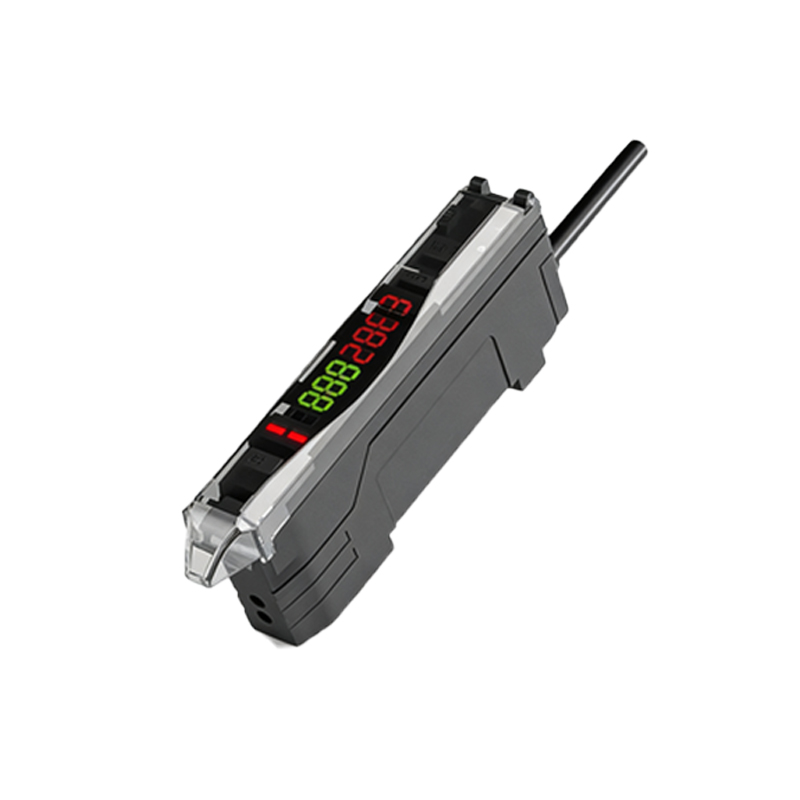
Several parameters affect the reliability of diffuse reflective sensors. The most critical is the target's reflectivity: shiny, white, or metallic surfaces reflect more light, increasing the detection range, while dark, matte, or black objects absorb light, reducing range. The sensor's detection distance typically varies from a few centimeters to several meters, depending on the optical design and emitted power. Background objects, such as nearby machinery or reflective floors, can cause false triggers if they also scatter light back to the receiver. Modern sensors often include background suppression features, using triangulation or time-of-flight methods to ignore objects beyond a set distance.
Practical Applications and Installation Considerations
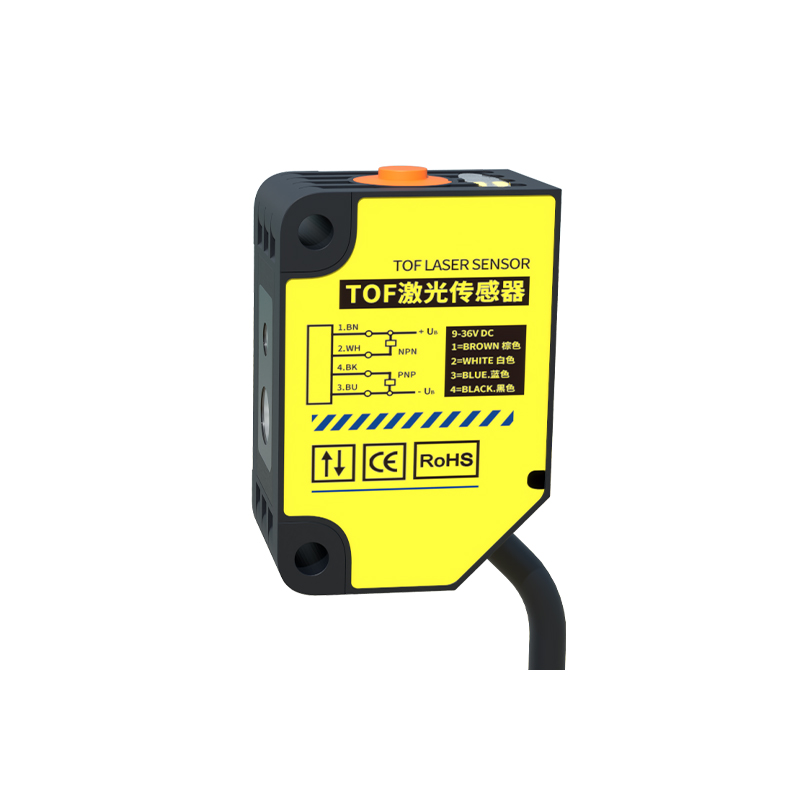
In industrial settings, diffuse reflective sensors excel at detecting irregularly shaped items, such as boxes, bottles, or metal parts, on conveyor belts. For optimal performance, install the sensor at a slight angle to the target's surface to maximize diffuse reflection and avoid direct specular reflection, which can blind the receiver. The sensing range should be adjusted using a potentiometer or teach-in function to match the target's characteristics. Additionally, avoid placing the sensor near strong ambient light sources, like sunlight or welding arcs, as they can interfere with the modulated light signal.
Common Troubleshooting Tips
If a sensor fails to detect reliably, first check for dust, oil, or condensation on the lens, which attenuates the light beam. Verify that the target's color and surface finish are within the sensor's specified reflectivity range. Ensure the power supply voltage matches the sensor's requirements, and inspect cables for damage. In noisy electrical environments, use shielded cables and avoid running sensor wires parallel to high-current power lines. If background interference persists, consider switching to a sensor with adjustable sensitivity or a background suppression model.