Introduction to Particle Photoelectric Sensors
Particle photoelectric sensors are widely used in industrial automation, environmental monitoring, and manufacturing processes. These sensors detect the presence, size, or concentration of particles in a medium by emitting a light beam and measuring its reflection, absorption, or scattering. Their ability to operate non-contact makes them valuable in harsh or clean environments, but they come with both advantages and limitations that engineers must consider.
Advantages: High Sensitivity and Accuracy
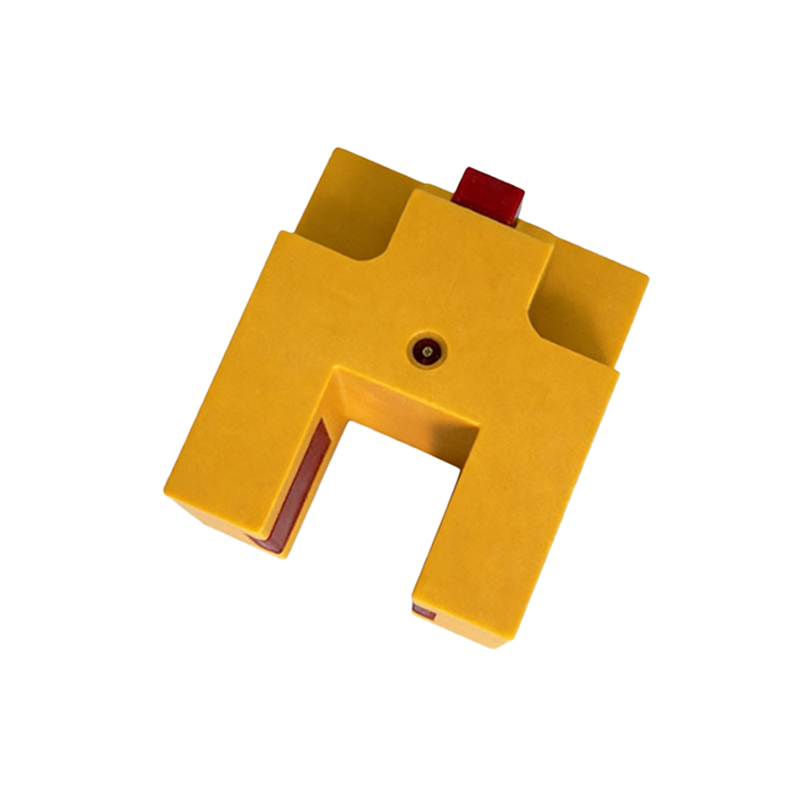
One of the primary benefits of particle photoelectric sensors is their high sensitivity to small particles, often in the micron range. This allows for precise detection in applications such as dust monitoring in cleanrooms, exhaust gas analysis, or quality control in pharmaceutical production. The optical principle ensures minimal error from mechanical wear, leading to consistent performance over long periods.
Advantages: Non-Contact Operation and Reliability
Since these sensors do not require physical contact with the target, they are ideal for moving or fragile materials, like conveyor belts or delicate electronic components. Their robust design, often with IP67 or higher ratings, withstands vibration, temperature fluctuations, and contamination. This reliability reduces maintenance needs and downtime in continuous industrial operations.
Advantages: Fast Response Time and Versatility
Particle photoelectric sensors offer rapid response times, typically in milliseconds, enabling real-time process control. They can detect particles in gases, liquids, or transparent media, making them versatile for industries ranging from food processing to automotive manufacturing. Adjustable sensitivity and output types (e.g., analog, digital) further enhance their adaptability.
Disadvantages: Sensitivity to Environmental Factors
A major drawback is their vulnerability to external light interference, such as ambient sunlight or reflections from nearby surfaces. Dust accumulation on the sensor lens or optical window can degrade accuracy, requiring regular cleaning in dusty or humid environments. Engineers must often install shields or filters to mitigate these effects.
Disadvantages: Limited Detection Range and Particle Size Constraints
These sensors typically have a limited detection range, often less than a few meters, which restricts their use in large-scale applications like open-air particle monitoring. Additionally, they may struggle with very fine particles below a certain size threshold or with highly transparent particles, leading to missed detections or false alarms.
Disadvantages: Higher Initial Cost and Calibration Requirements
Compared to simpler sensors like capacitive or inductive types, particle photoelectric sensors tend to have higher upfront costs. They also require periodic calibration to maintain accuracy, particularly when measuring particle concentration or size distribution. This can increase operational complexity and expense in cost-sensitive projects.
Conclusion: Balancing Pros and Cons for Optimal Use
Particle photoelectric sensors offer unmatched sensitivity and non-contact reliability for many industrial tasks, but their performance depends heavily on environmental control and maintenance. Engineers should evaluate specific application needs, such as particle type, range, and budget, to determine if these sensors are the best fit. In clean, controlled settings, they excel; in dirty or expansive environments, alternative technologies like acoustic or capacitive sensors may be more practical.