Introduction to Photoelectric Touch Buttons
In modern industrial automation, traditional mechanical push buttons are increasingly being replaced by advanced sensor-based solutions. Photoelectric sensors, commonly used for object detection, are now being adapted as touch buttons. These sensors use light beams emitted from an LED and reflected back by a user's finger to detect a touch, offering a non-contact, durable, and hygienic alternative. Unlike capacitive or resistive touch buttons, photoelectric touch buttons are immune to electromagnetic interference and can operate through thick gloves or contaminated surfaces, making them ideal for harsh environments.
Operating Principle of Photoelectric Touch Buttons
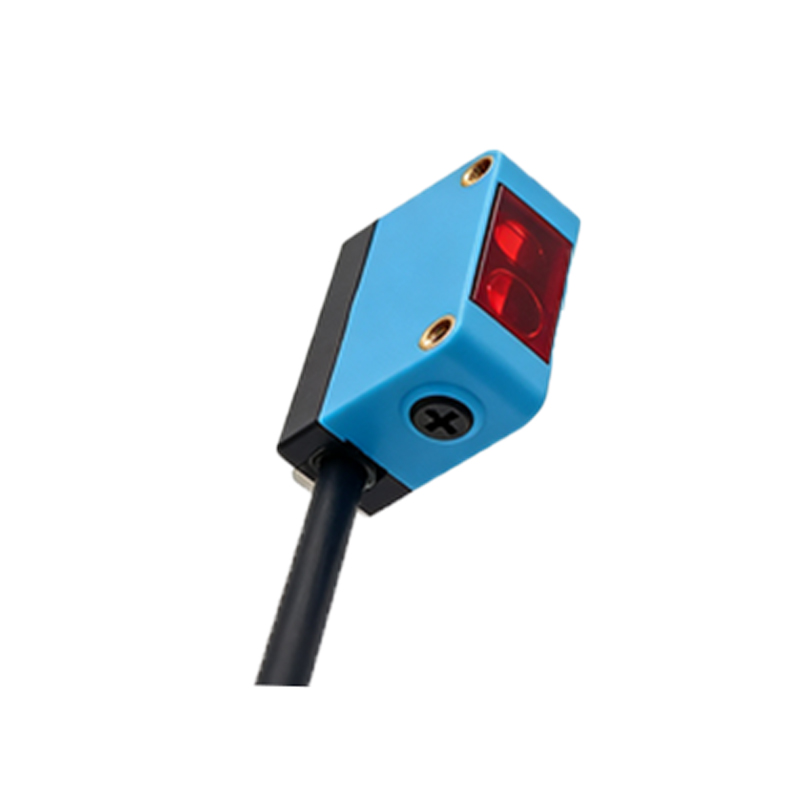
A photoelectric touch button typically consists of an infrared LED and a photodetector. When no object is present, the emitted light scatters or is absorbed. When a finger approaches the sensing window, the light reflects back to the detector, triggering a signal. The detection distance is usually set between 1mm and 50mm, depending on the sensor's design. This principle allows the button to sense a touch without physical contact, reducing wear and tear. The response time is typically under 5 milliseconds, ensuring real-time interaction for control panels and machinery interfaces.
Key Advantages Over Traditional Buttons
Photoelectric touch buttons offer several distinct advantages. First, they have no moving parts, which eliminates mechanical failure and extends lifespan to millions of cycles. Second, they provide a sealed, IP67 or higher rated surface, preventing dust and liquid ingress, crucial for food processing or chemical plants. Third, they support multi-function operation through gesture recognition or variable sensitivity, allowing a single sensor to act as a slider or a proximity switch. Additionally, they can be mounted behind non-metallic materials like glass or plastic, enabling sleek, easy-to-clean interfaces.
Design Considerations for Industrial Use
When integrating photoelectric touch buttons, engineers must account for ambient light conditions, sensor alignment, and material transparency. For outdoor applications, sunlight filtering algorithms are necessary to prevent false triggers. The sensing window must be kept clean of heavy dirt or oil, though self-cleaning coatings can mitigate this. Power consumption is also a factor; low-power designs with sleep modes are preferred for battery-operated devices. Selecting a sensor with adjustable hysteresis ensures stable operation across temperature fluctuations from -25°C to +70°C.
Application Examples
In manufacturing assembly lines, photoelectric touch buttons are used for start/stop controls on CNC machines, replacing foot pedals. In medical devices, they enable hands-free operation of diagnostic equipment, reducing cross-contamination. In public vending machines, these buttons provide vandal-resistant interfaces. A notable case is the use of such sensors in elevator call panels, where they function reliably despite constant use and cleaning with disinfectants.
Implementation Challenges and Solutions
One common challenge is false triggering from reflective objects nearby. Shielding the sensor with a bezel or using modulated light signals can solve this. Another issue is reduced sensitivity with gloved hands; selecting sensors with high emitter power (e.g., 850nm wavelength) helps. Engineers should also calibrate the detection threshold during installation using a teach-in process to adapt to specific installation conditions. Regular maintenance involves checking for lens fogging in humid environments, which can be addressed with heated windows or air purging.