Introduction to Slot-Type Photoelectric Sensors
Slot-type photoelectric sensors, also known as fork sensors, are specialized devices designed for precise object detection in confined spaces. They consist of a transmitter and receiver housed in a single U-shaped body, with a detection gap that allows objects to pass through. This design eliminates alignment issues common in through-beam sensors, making them ideal for high-speed and high-precision applications. In industrial settings, they are valued for their reliability, fast response times, and ability to detect small or transparent objects without physical contact.
Packaging and Labeling Systems
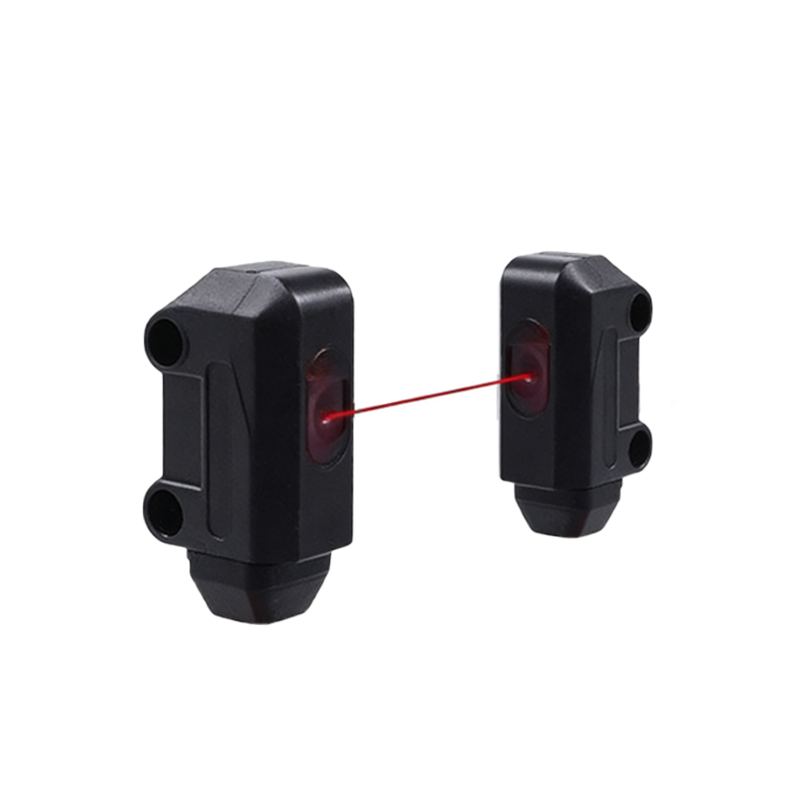
In packaging lines, slot sensors are widely used for counting, positioning, and verifying labels or products. For example, they detect the presence of bottles or cartons as they move along a conveyor, triggering mechanisms for filling, capping, or sealing. Their narrow detection gap allows for accurate counting of thin items like envelopes or blister packs, even at high speeds. This ensures minimal downtime and reduces errors in automated packaging systems.
Printing and Paper Handling Equipment
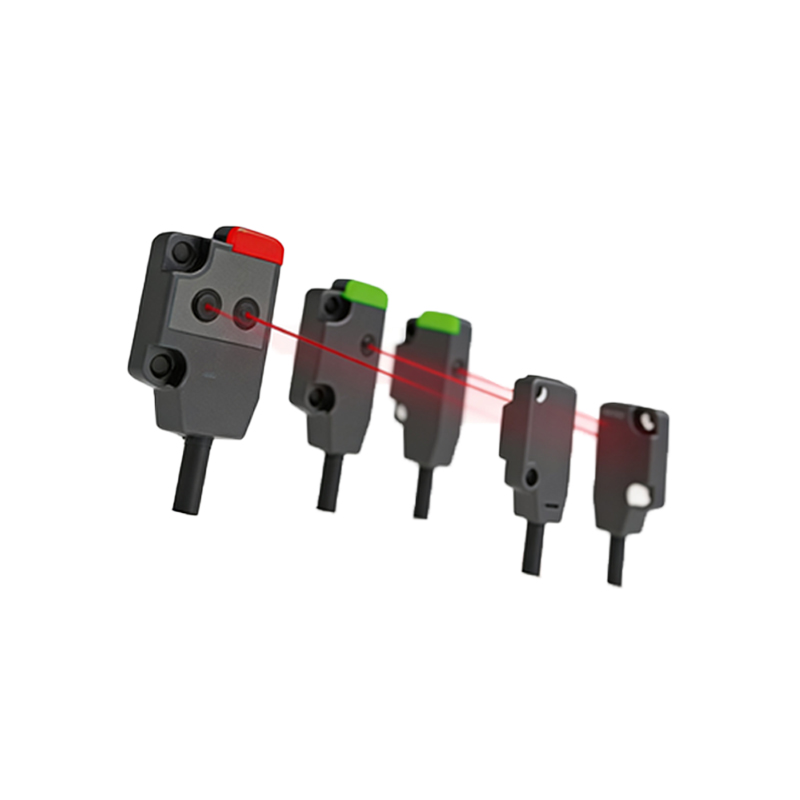
Printing presses and paper-handling machinery benefit from slot sensors for monitoring paper web breaks, sheet alignment, and stack height. The sensor’s ability to detect transparent or opaque materials makes it suitable for tracking film, foil, or paper rolls. In high-speed printers, they ensure consistent feed by detecting edge positions, preventing jams and material waste. Their compact form factor fits seamlessly into tight spaces within rollers and guides.
Textile and Fiber Manufacturing
In textile production, slot sensors are deployed for yarn break detection, thread counting, and fabric edge control. They monitor continuous fiber strands passing through the sensor gap, instantly signaling if a break occurs. This real-time feedback improves quality control and reduces material loss. Additionally, their non-contact operation avoids damaging delicate materials like silk or synthetic fibers, maintaining production efficiency.
Automated Assembly and Robotics
Robotic assembly lines use slot sensors for part presence verification, position confirmation, and end-effector alignment. For instance, they detect when components like gears or screws pass through a fixture, ensuring correct placement before welding or fastening. Their high switching frequency supports rapid pick-and-place operations, while the robust housing withstands vibration and dust in factory environments. This enhances repeatability and safety in automated workflows.
Semiconductor and Electronics Manufacturing
In electronics fabrication, slot sensors handle precise detection of tiny components, such as chips, connectors, or PCB panels. They verify component presence in feeders, test stations, and soldering machines. Their ability to detect small objects with high resolution is critical for quality assurance in SMT (Surface Mount Technology) lines. Moreover, they monitor conveyor belt speeds and product spacing, maintaining consistent throughput in cleanroom conditions.
Food and Beverage Industry
Food processing plants utilize slot sensors for bottle fill-level inspection, cap detection, and tray counting. These sensors are designed with IP67-rated enclosures to withstand washdown environments and resist corrosion from cleaning agents. They can detect transparent containers or liquid levels, enabling accurate sorting and rejection of defective items. This ensures compliance with hygiene standards while improving line efficiency.
Logistics and Warehouse Automation
In automated storage and retrieval systems (ASRS), slot sensors detect carton or pallet positions for sorting and routing. They monitor elevator doors, conveyor intersections, and shuttle positions, triggering stops or direction changes. Their fast response is essential for high-speed sortation systems, while the compact design fits into narrow transfer points. This reduces collision risks and optimizes material flow in distribution centers.
Conclusion and Selection Tips
Selecting the right slot sensor involves considering gap size, sensing range, output type (NPN/PNP), and environmental resistance. For harsh conditions, choose models with reinforced housings and protective coatings. Always verify the object’s material and transparency to ensure reliable detection. Regular maintenance, such as cleaning the lens area, prolongs sensor life. By integrating slot-type photoelectric sensors, engineers can enhance automation precision and reduce operational costs across diverse industries.