In the rapidly evolving landscape of industrial automation, consumer electronics, and automotive systems, proximity sensors play a pivotal role. These non-contact devices detect the presence or absence of an object within a defined range, enabling countless applications from smartphone screen blanking to complex robotic assembly lines. However, the reliability, safety, and interoperability of these sensors hinge on a robust framework of international and regional standards. Understanding these standards is not merely a regulatory hurdle but a fundamental aspect of designing and deploying effective sensing solutions.
The world of proximity sensor standards is primarily governed by a few key organizations. The International Electrotechnical Commission (IEC) sets widely recognized global benchmarks. IEC 60947-5-2 is particularly crucial, specifying the requirements for proximity switches with an amplifier. This standard defines key performance parameters such as operating distance, repeat accuracy, hysteresis, and switching frequency. It also classifies sensors into types (e.g., self-contained or with separate amplifier) and outlines testing procedures for environmental resilience, including resistance to shock, vibration, and various climatic conditions. Compliance with IEC standards is often seen as a passport to global markets, ensuring a baseline level of quality and safety.
In Europe, the CE marking directive is mandatory, and for proximity sensors, this frequently involves compliance with the Electromagnetic Compatibility (EMC) Directive (2014/30/EU) and the Low Voltage Directive (2014/35/EU). These directives ensure that sensors do not emit excessive electromagnetic interference and are safe to operate within specified voltage ranges. Manufacturers must demonstrate conformity, often by adhering to harmonized standards like EN 60947-5-2 (the European version of IEC 60947-5-2) and specific EMC standards such as EN 61000-6-2 (immunity for industrial environments) and EN 61000-6-4 (emissions for industrial environments).
North America presents its own set of requirements. Underwriters Laboratories (UL) and the Canadian Standards Association (CSA) offer important safety certifications. UL 508 (Industrial Control Equipment) is a common standard for proximity sensors used in control panels. Furthermore, for sensors used in hazardous locations where flammable gases or dust may be present, certifications like ATEX (in the EU) and Class/Division/Group ratings from the National Fire Protection Association (NFPA), as outlined in NFPA 70 (National Electrical Code), are critical. Intrinsic safety (IS) standards, such as IECEx or UL 913, govern sensors designed to prevent ignition in these volatile areas.
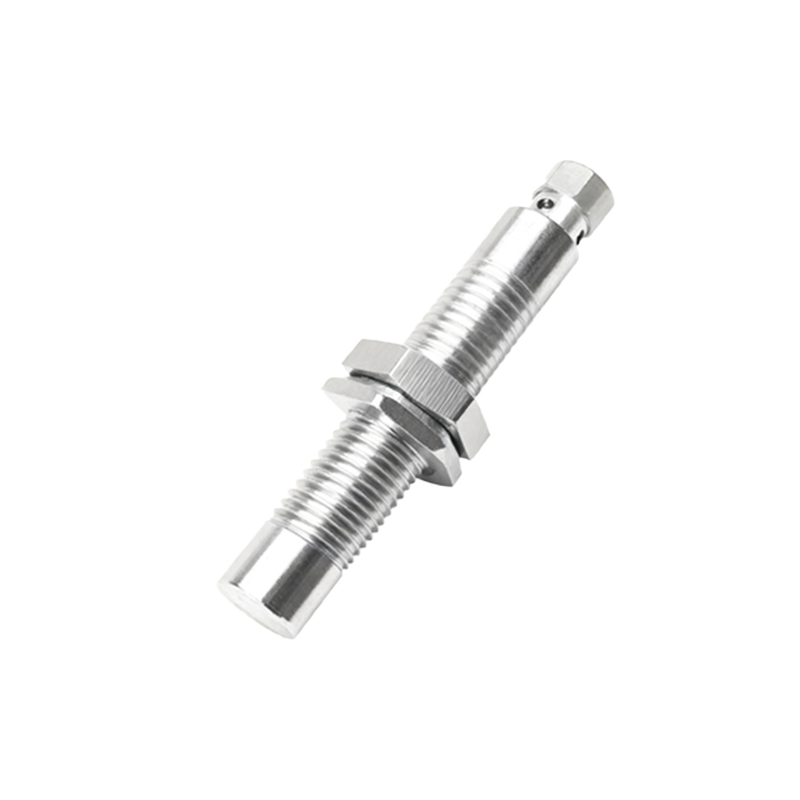
Beyond regional compliance, performance standards are vital for application-specific success. For instance, in the automotive industry, sensors must often meet stringent original equipment manufacturer (OEM) specifications that exceed general industrial standards, covering extended temperature ranges (-40°C to +125°C is common), resistance to fluids like oil and gasoline, and long-term reliability over millions of cycles. The ISO 26262 standard for functional safety in road vehicles is increasingly relevant for sensors involved in advanced driver-assistance systems (ADAS).
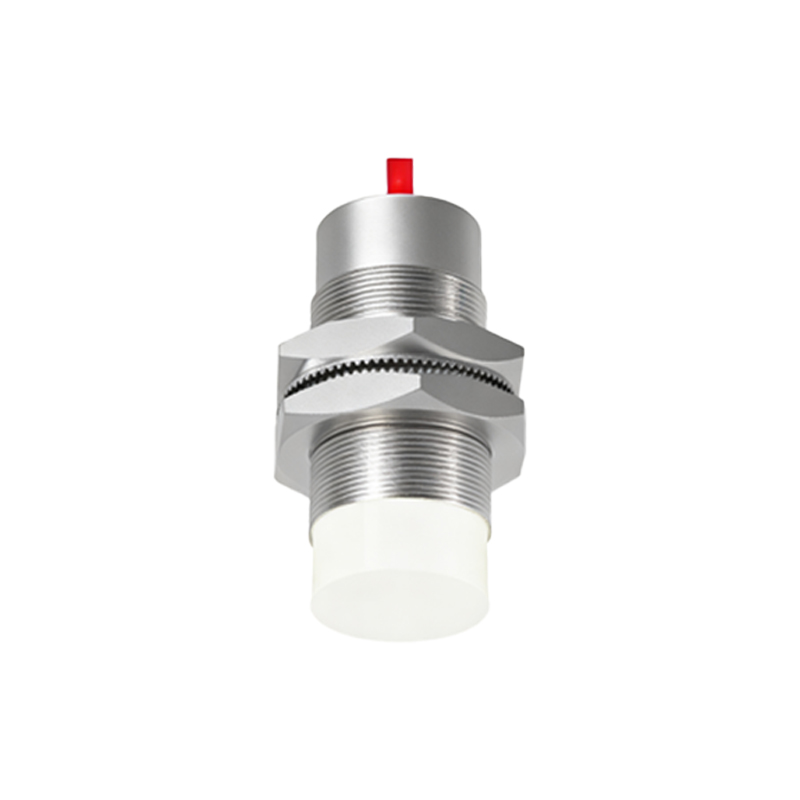
For inductive proximity sensors (which detect metals), key standardized performance metrics include the "rated operating distance" (Sn) and the "assured operating distance" (Sa). The standard defines how these are measured using specific target materials, typically steel. For capacitive sensors (detecting a wider range of materials), standards help define sensitivity adjustments and shielding requirements. Ultrasonic and photoelectric sensors have their own sets of norms governing beam patterns, response times, and immunity to ambient light or acoustic noise.
Selecting a proximity sensor that meets the correct standards involves a clear process. First, identify the geographical market (EU, North America, Asia, etc.) to determine the mandatory regulatory certifications (CE, UL, KC, etc.). Second, analyze the operating environment: Is it a standard factory floor, a washdown area requiring IP67/IP69K ingress protection, or a hazardous location? Third, consider the application's performance needs: required sensing distance, speed, accuracy, and the material of the target object. Finally, consult the sensor manufacturer's datasheets and certification documents. Reputable manufacturers clearly list all applicable standards and approvals, providing declaration of conformity certificates.
In conclusion, proximity sensor standards form an essential ecosystem that ensures safety, reliability, and fair market competition. They provide engineers and system integrators with a common language for specifying performance and a guarantee of minimum quality levels. From the broad umbrella of IEC and regional directives to the precise requirements of industry-specific applications, navigating this landscape is a critical step in any successful design. As sensor technology advances with trends like IO-Link for digital communication and integration into the Industrial Internet of Things (IIoT), standards bodies continue to evolve their frameworks, ensuring that innovation proceeds hand-in-hand with safety and interoperability. Ignoring these standards risks product failure, safety incidents, and market exclusion, while embracing