Introduction to the Light Emitting Section
The light emitting section is a critical component of photoelectric sensors, responsible for generating the optical signal used in detection processes. In industrial automation, these sensors rely on a stable and focused light source to ensure accurate object detection, distance measurement, and presence sensing. Typically, the emitting element is an LED (Light Emitting Diode) or a laser diode, chosen based on application requirements such as range, ambient light resistance, and response time. The design of this section directly impacts sensor reliability in harsh environments like factories, where dust, vibration, and temperature variations are common. Engineers must consider factors like wavelength selection, typically in the infrared or visible spectrum, to optimize performance against target materials and background interference.
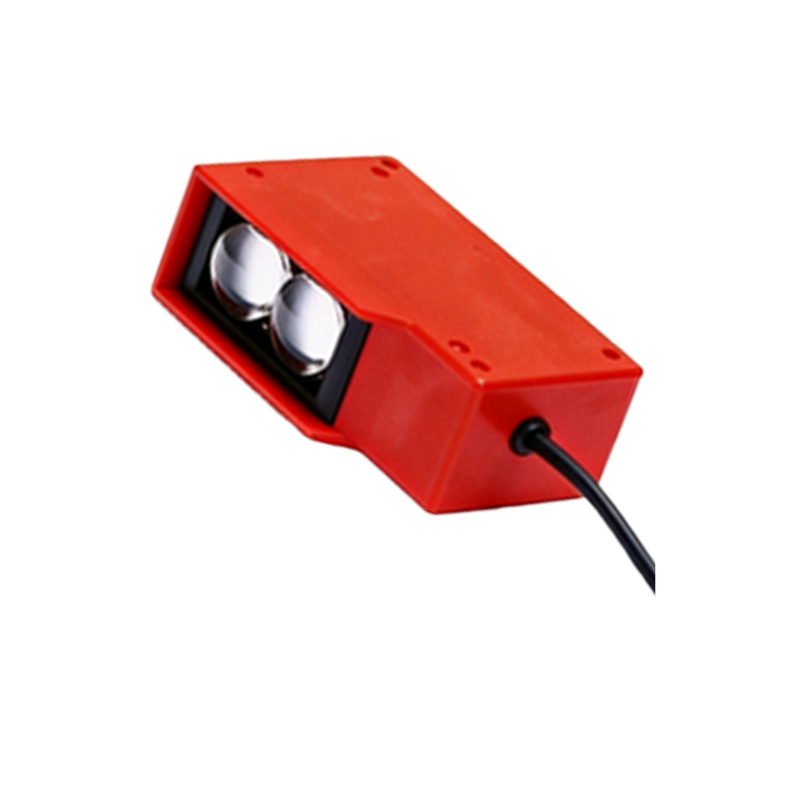
Key Components and Design Considerations
The light emitting section comprises several key elements: the light source, lens system, and drive circuitry. LEDs are preferred for their low cost, long life, and moderate power consumption, while laser diodes offer higher intensity and collimation for long-range or precise applications. The lens system focuses the emitted beam into a narrow or diffuse pattern, depending on the sensor type (through-beam, retro-reflective, or diffuse). Drive circuitry regulates current to maintain consistent light output and modulate the signal for noise immunity. For instance, pulse modulation techniques reduce the impact of ambient light and improve detection in high-glare conditions. Thermal management is also crucial, as excessive heat can degrade LED efficiency and shift wavelength, leading to false triggers or reduced sensitivity.
Wavelength Selection and Performance Impact
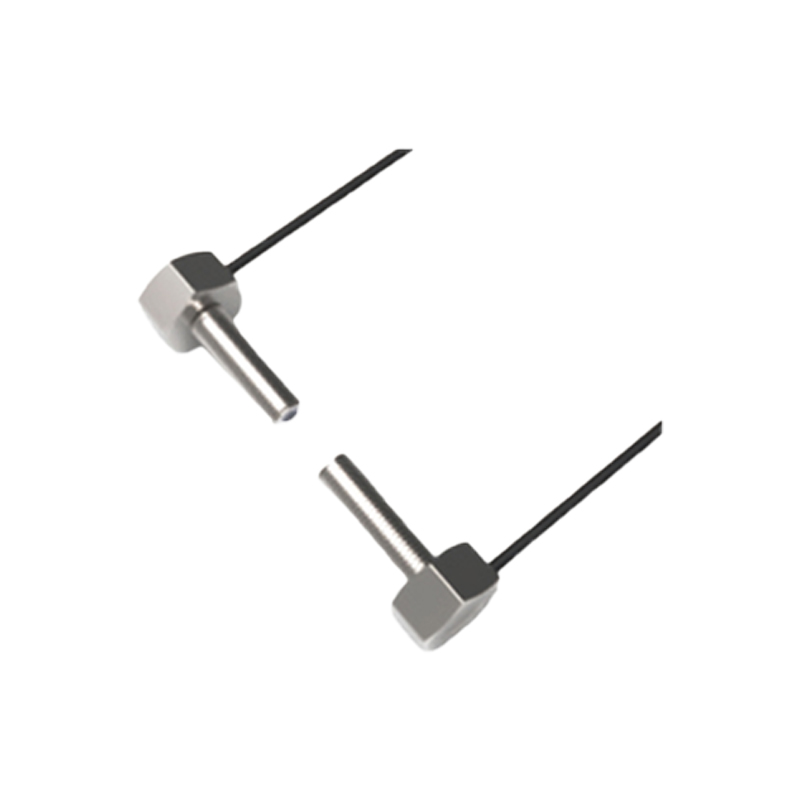
Choosing the correct wavelength is essential for effective detection. Common wavelengths include 660 nm (red visible), 850 nm, and 940 nm (infrared). Red visible light is useful for aligning sensors during installation and detecting colored objects, while infrared is less visible to the human eye and offers better penetration through dust or fog. In industrial settings, sensors with 940 nm wavelength are often used for long-range applications due to lower atmospheric absorption. However, background objects with similar reflective properties can cause interference, requiring careful optical filtering. Engineers must also consider the sensor's response to polarized or modulated light, which enhances distinction between target and background, especially in retro-reflective setups.
Common Failure Modes and Maintenance Tips
The light emitting section can experience several failure modes, including LED degradation due to aging, thermal stress, or electrical overstress. Symptoms include reduced output intensity, flickering, or complete failure, leading to sensor malfunction. To mitigate these issues, regular inspection of the lens and emitter for contamination like oil or dust is recommended. Using air purging systems or protective housings can extend component life in dirty environments. Additionally, monitoring drive current and operating temperature through built-in diagnostics helps predict failures. Replacing the entire sensor module is often more cost-effective than repairing the emitting section, given the sealed nature of most industrial sensors.