Overview of the 06H402 Photoelectric Sensor
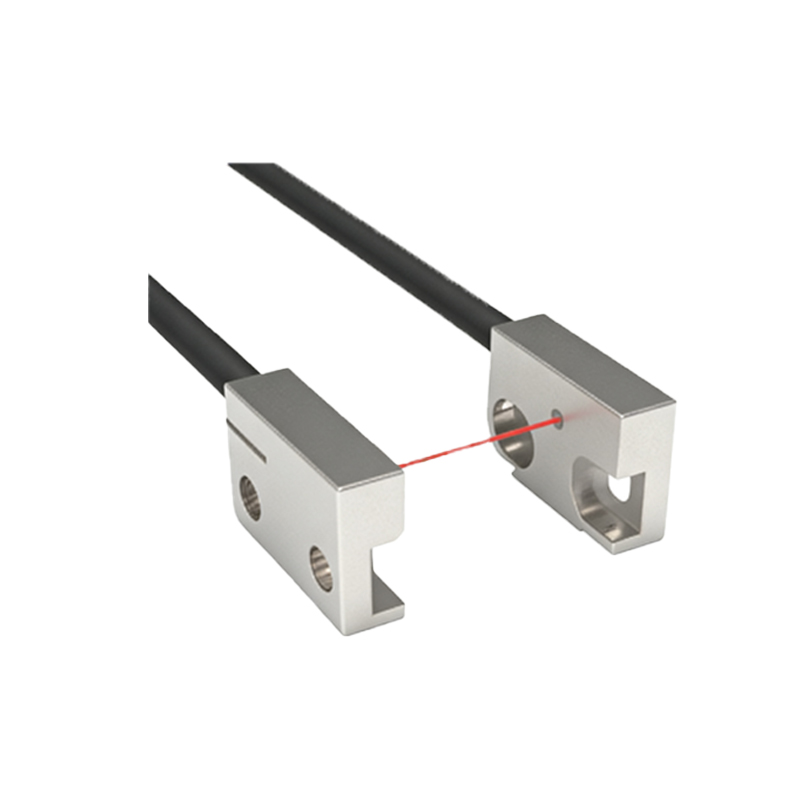
The 06H402 photoelectric sensor is a robust industrial component designed for precise object detection in automated systems. Operating on the principle of through-beam or retro-reflective sensing, it utilizes an infrared or visible light beam to detect the presence, absence, or position of objects without physical contact. With a typical sensing range of up to 10 meters (depending on configuration), this sensor is ideal for harsh environments, including dusty, wet, or high-temperature settings commonly found in manufacturing floors, packaging lines, and conveyor systems. Its compact housing, often rated IP67, ensures resistance to water and dust ingress, making it a reliable choice for long-term industrial use.
Key Technical Specifications and Features

The 06H402 sensor typically operates at a supply voltage of 10-30 VDC, with a switching frequency up to 1 kHz, allowing for high-speed detection in fast-moving production lines. It features a PNP or NPN output configuration, selectable via wiring, to interface seamlessly with PLCs, relays, or other control systems. The sensor includes adjustable sensitivity via a potentiometer or a teach-in button, enabling fine-tuning for different materials, such as transparent glass, metallic parts, or dark-colored plastics. Additionally, its LED indicator provides real-time status feedback, simplifying troubleshooting and maintenance during operation.
Installation and Wiring Considerations
For optimal performance, the 06H402 requires careful alignment between the emitter and receiver, especially in through-beam configurations. Mounting brackets should be securely fastened to minimize vibration, and the cable length should not exceed 100 meters to avoid signal degradation. Wiring follows standard color codes: brown for V+ (positive supply), blue for V- (negative ground), and black for output signal. In retro-reflective mode, a reflector is needed, and the sensor must be placed at a 90-degree angle to avoid false triggers from surrounding reflective surfaces. Always ensure power is disconnected during installation to prevent electrical damage.
Applications in Industrial Automation
This sensor excels in applications requiring non-contact detection, such as counting products on a conveyor belt, detecting bottle caps in a filling line, or verifying the presence of car parts in an assembly station. Its high immunity to ambient light and interference makes it suitable for outdoor or high-illumination areas. For example, in a packaging facility, the 06H402 can reliably detect transparent film wraps at high speeds, reducing downtime caused by missed or false detections. It is also commonly used in elevator door safety systems and warehouse logistics to ensure precise positioning.
Troubleshooting Common Issues
If the sensor fails to detect objects consistently, first check for dust or debris on the lens, cleaning it with a lint-free cloth and isopropyl alcohol. Verify the alignment by using an alignment tool or a piece of paper to interrupt the beam temporarily. For intermittent signals, inspect the cable for cuts or loose connections, and ensure the supply voltage remains stable within the specified range. In cases of false detection, adjust the sensitivity or switch to a darker background suppression mode if available. If issues persist, consult the datasheet for specific error codes or contact the manufacturer for a replacement unit.
Best Practices for Long-Term Reliability
To maximize the lifespan of the 06H402, perform regular maintenance every 3-6 months, including cleaning the sensor face and checking mounting stability. Avoid exposing the sensor to corrosive chemicals or extreme temperatures beyond its rated range (-25°C to 55°C). Use shielded cables in areas with high electromagnetic interference, such as near welding equipment or motors. Additionally, implement a redundant sensor setup in critical applications to prevent single-point failures. Documenting installation parameters, such as sensitivity settings and alignment angles, will aid in faster troubleshooting and future upgrades.