Introduction to Adjustable Brackets in Photoelectric Sensor Systems
In industrial automation, photoelectric sensors are critical for detecting objects, measuring distances, and ensuring safety. However, their performance heavily relies on precise alignment with the target. Adjustable brackets for photoelectric sensors offer a flexible mounting solution, allowing engineers to fine-tune sensor position and angle without altering the core setup. These brackets enhance system reliability by accommodating varying production line configurations and minimizing downtime due to misalignment. As a seasoned electrical engineer, I emphasize that selecting the right bracket can transform a basic sensor into a versatile tool for complex applications like conveyor sorting, packaging, and robotic guidance.
Key Features of Adjustable Brackets for Photoelectric Sensors
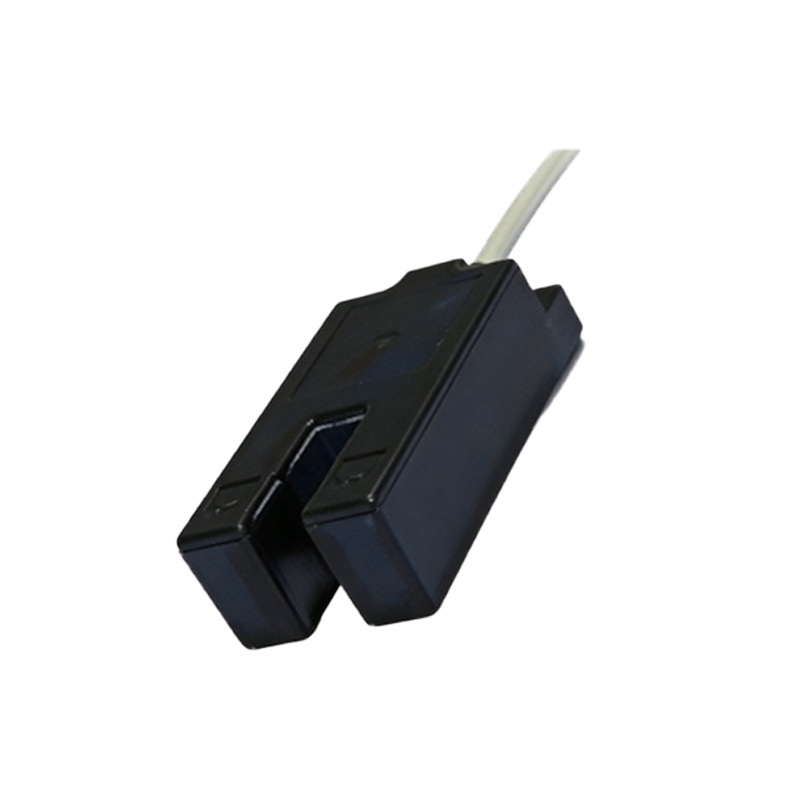
Professional-grade adjustable brackets are crafted from durable materials such as stainless steel or aluminum, offering resistance to vibration, corrosion, and temperature fluctuations common in factory floors. They typically include multi-axis adjustment mechanisms—rotational and linear—enabling precise orientation in three dimensions. Many designs incorporate locking screws or clamps to maintain stability after calibration. For instance, a bracket with a 360-degree swivel and a 50-millimeter travel range allows sensors to adapt to varying object positions. This flexibility is essential for applications requiring frequent changeovers, such as in electronics manufacturing where miniaturized components demand micrometer-level accuracy.
Installation and Calibration Best Practices
Proper installation begins with securing the bracket to a rigid surface using grade-8 bolts to prevent drift. During calibration, use a laser alignment tool or a test target to confirm the sensor beam intersects the detection zone. Adjust the bracket’s tilt and yaw axes incrementally, verifying signal stability via a PLC or oscilloscope. For example, in a packaging line, a photoelectric sensor with an adjustable bracket can be tuned to detect clear plastic bottles at varying heights, reducing false triggers. Always torque locking screws to manufacturer specs to avoid creep under dynamic loads. Document the final position for future maintenance.
Common Industry Applications and Solutions
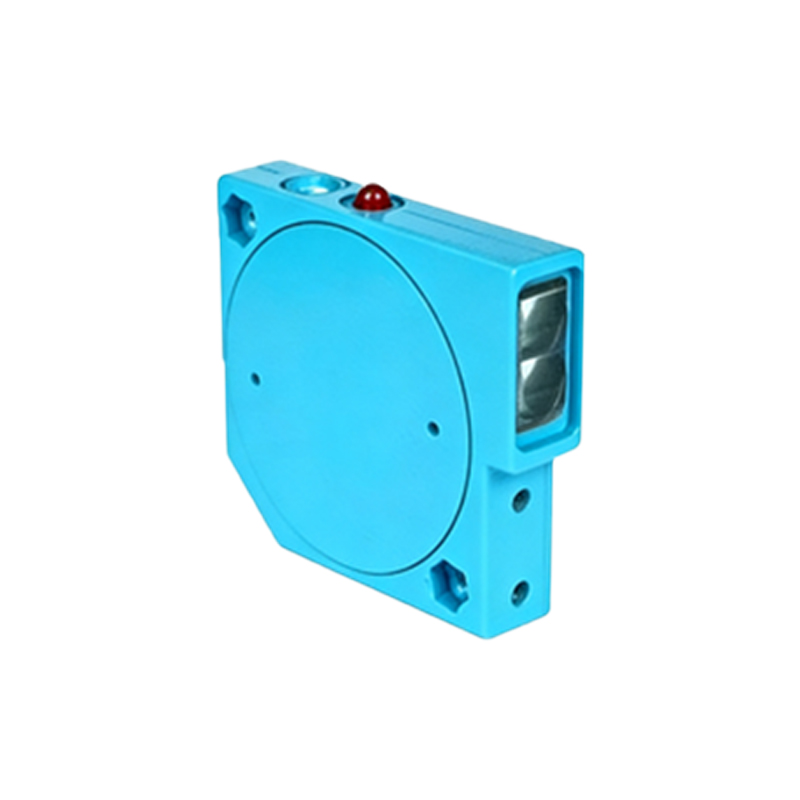
Adjustable brackets are indispensable in scenarios where fixed mounts fail. In automotive assembly, they enable sensors to identify car body panels on moving conveyors with varying angles. In logistics, they support retroreflective sensors for sorting packages of irregular sizes. A real-world case: a beverage plant used adjustable brackets to reposition sensors weekly for different bottle cap orientations, cutting changeover time by 40%. For harsh environments, such as foundries, brackets with sealed adjustments protect against dust and moisture, extending sensor lifespan. These applications highlight how brackets solve spatial constraints and dynamic alignment challenges.
Selection Criteria for Optimal Performance
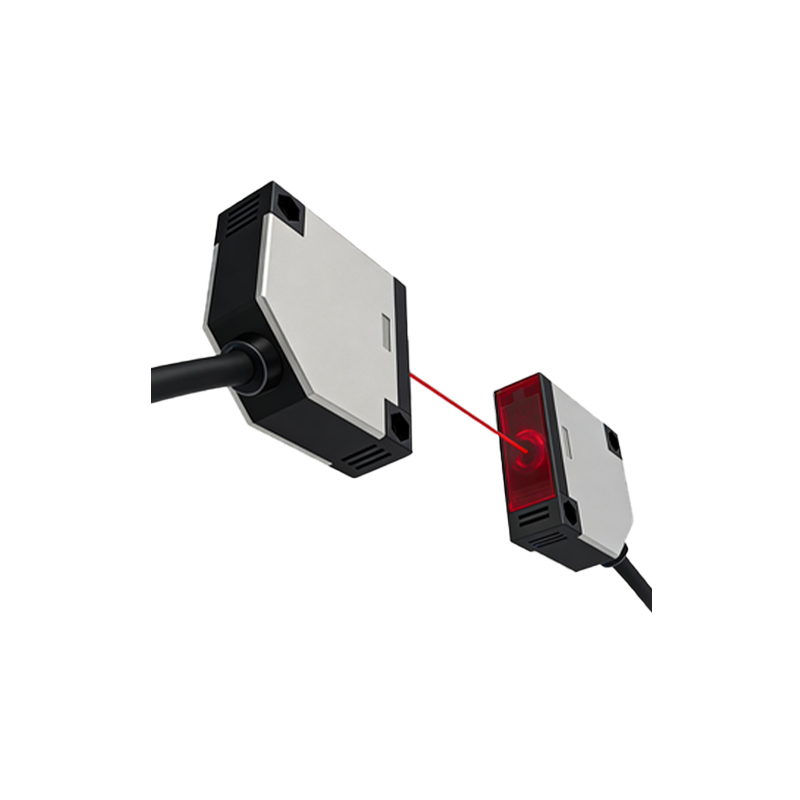
When choosing an adjustable bracket, consider the sensor’s weight, cable routing, and mounting thread compatibility. For heavy sensors (over 1 kg), opt for brackets with reinforced joints and wider bases to prevent sagging. Evaluate the adjustment range: a minimum of 30 degrees in tilt and 20 millimeters in translation suffices for most industrial tasks. Also, check the bracket’s ingress protection rating—IP65 or higher for washdown environments. As an engineer, I recommend testing a sample bracket under your specific operating conditions, such as vibration levels up to 10 G, to ensure longevity. Consult manufacturer datasheets for load capacities and material certifications.
Conclusion: Enhancing Sensor Versatility with Adjustable Brackets
Adjustable brackets are not mere accessories but strategic components that amplify the capabilities of photoelectric sensors. They provide the flexibility to adapt to evolving production demands while maintaining high accuracy. By investing in quality brackets and following installation best practices, you can reduce maintenance costs, improve detection reliability, and extend sensor service life. In my experience, a well-chosen bracket often compensates for environmental variabilities, making it a must-have for modern automated systems.