Unmatched Sensing Capabilities in Diverse Environments
Photoelectric sensors have revolutionized industrial automation by offering non-contact detection across a wide range of materials, including metal, plastic, glass, and even liquids. Unlike inductive or capacitive sensors, they rely on light beams—typically in visible or infrared spectra—to detect objects regardless of their electrical or thermal properties. This makes them indispensable in harsh environments such as dusty factories, wet processing lines, or areas with extreme temperatures. With ranges extending from a few millimeters to over 50 meters in through-beam models, they provide reliable performance where other sensors fail.
Key Types and Their Industrial Applications
The power of photoelectric sensors lies in their adaptability through three main types. Through-beam sensors offer the longest range and highest accuracy, ideal for safety barriers and conveyor monitoring in logistics. Retro-reflective sensors combine moderate range with easy installation, commonly used in packaging lines for detecting transparent bottles or films. Diffuse-reflective sensors excel in short-range applications, such as robotics and assembly, where object color or surface texture varies. Each type leverages different light properties, like polarized light for shiny surfaces, ensuring consistent detection in challenging scenarios.
Advanced Features Enhancing Performance
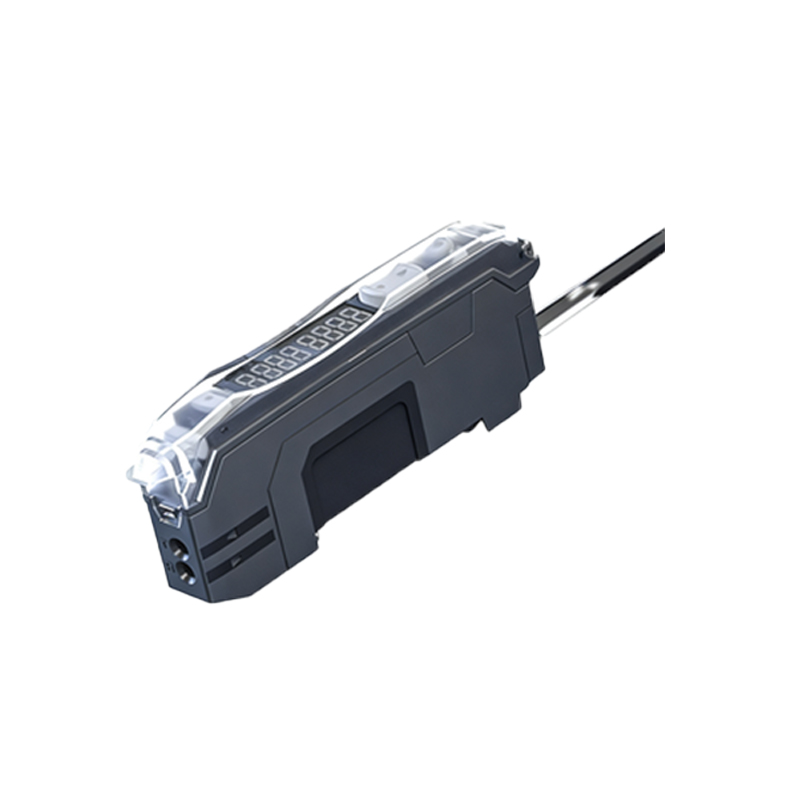
Modern photoelectric sensors incorporate features like background suppression, which ignores distant objects to focus on a specific target—critical in sorting and pick-and-place tasks. IO-Link communication allows for real-time diagnostics and parameter adjustments, reducing downtime in automated systems. Some models now include multi-beam arrays for detecting irregular shapes or small parts at high speeds, such as in electronics manufacturing. Additionally, laser-based sensors provide pinpoint accuracy for sub-millimeter measurements, essential in precision alignment or quality control.
Reliability in Extreme Conditions
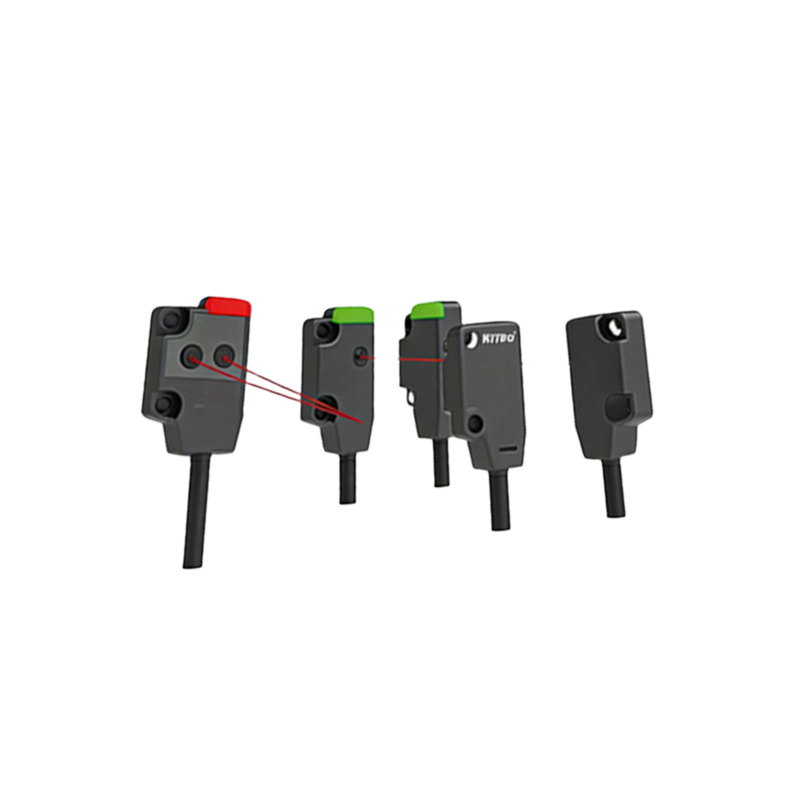
The robustness of photoelectric sensors is evident in their resistance to vibration, moisture, and ambient light interference. Sealed to IP67 or higher ratings, they operate reliably in washdown environments like food processing or pharmaceutical cleanrooms. Advanced models can filter out background light from welding arcs or sunlight, maintaining stability in outdoor applications such as parking gates or mining conveyors. This durability translates to lower maintenance costs and extended service life, often exceeding 10 years in continuous operation.
Integration with Industry 4.0 and Smart Factories
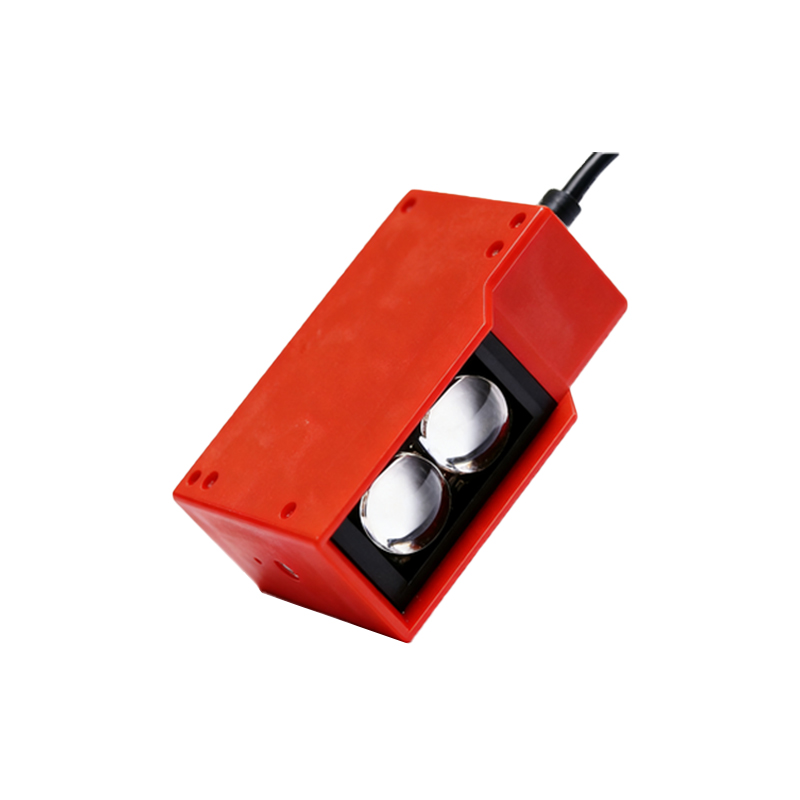
As factories embrace digitalization, photoelectric sensors serve as critical data nodes. They feed real-time object counts, position data, and status signals into PLCs or cloud-based systems, enabling predictive maintenance and process optimization. Their compatibility with Ethernet/IP, PROFINET, and other industrial protocols simplifies integration into existing networks. This connectivity allows for remote monitoring and adjustment, reducing manual intervention and improving overall equipment effectiveness (OEE).
Cost-Effectiveness and Long-Term Value
Despite their advanced capabilities, photoelectric sensors offer a compelling return on investment. Their solid-state design eliminates mechanical wear, lowering replacement costs compared to mechanical limit switches. Installation is simplified with modular mounting options and auto-calibration features, reducing labor time. For high-speed applications like bottling or sorting, their ability to operate at thousands of cycles per second directly boosts throughput. When downtime costs hundreds per minute, the reliability of photoelectric sensors becomes a significant financial advantage.