Optimizing balance machine performance requires careful photoelectric sensor selection, with key specs like response time and sensing distance. Integration with control systems demands precise calibration and noise immunity. Troubleshooting common issues like false triggering ensures reliability. Future smart sensors with IoT capabilities will further improve diagnostics and maintenance scheduling, making them indispensable for advanced balancing systems.
Photoelectric sensors are critical components in modern balancing machines, enabling precise detection of rotational position and speed. As an electrical engineer, understanding their operational principles—such as thru-beam, retro-reflective, and diffuse modes—is essential for optimizing machine accuracy. These sensors convert light signals into electrical outputs, triggering corrective actions in unbalanced rotors. In high-speed balancing, even microsecond delays can degrade performance, making sensor selection and integration a priority.
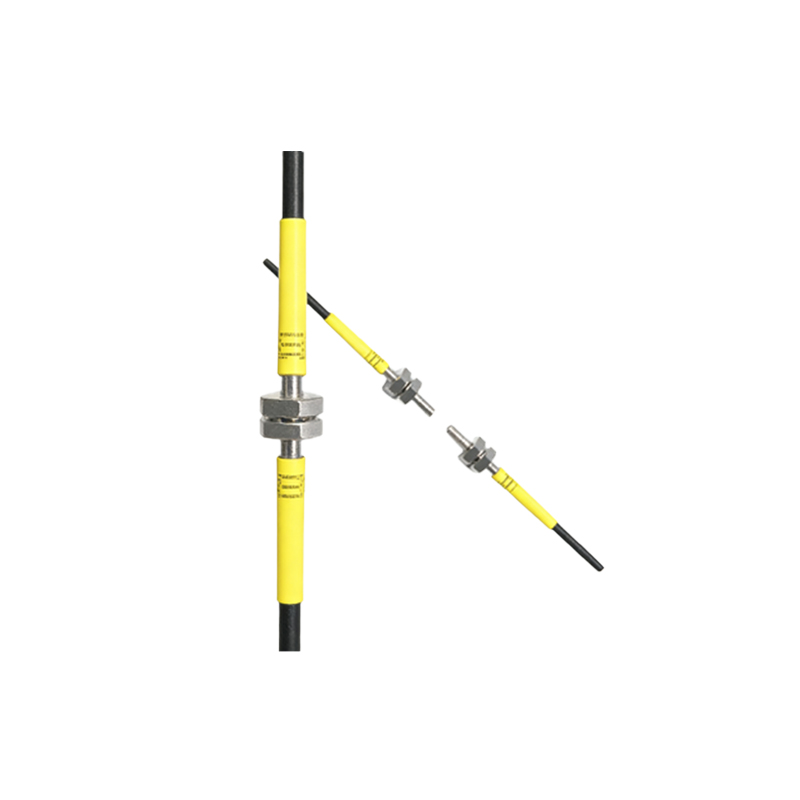
Key Technical Specifications for Sensor Selection
When selecting a photoelectric sensor for a balancer, consider response time, sensing distance, and ambient light immunity. Typical industrial sensors offer response times below 1 ms, with sensing ranges from 0.1 to 30 meters. For balancing applications, a thru-beam configuration provides the highest reliability in dusty environments. Ensure the sensor’s output type (e.g., NPN, PNP, or push-pull) matches the PLC or controller input. Additionally, verify IP67 or higher ingress protection for harsh conditions.
Integration with Balance Machine Control Systems
Integrate the sensor with the balancer’s control system via a digital input module. Most modern balancers use a microcontroller or FPGA to process sensor signals. Calibrate the sensor’s trigger point to align with the rotor’s reference mark. Use a shielded twisted-pair cable to minimize electromagnetic interference from nearby motors. In multi-sensor systems, synchronize signals using a common clock to avoid phase errors.
Troubleshooting Common Issues in Photoelectric Sensing
Common faults include false triggering due to reflective surfaces or misalignment. For diffuse sensors, adjust the sensitivity potentiometer to ignore background objects. If signal dropout occurs, check the emitter and receiver lenses for contamination. In high-vibration environments, secure the sensor bracket with vibration-dampening mounts. Use an oscilloscope to verify signal integrity at the controller input.
Future Trends: Smart Sensors and IoT Integration
Emerging photoelectric sensors feature IO-Link communication for real-time diagnostics and parameter adjustment. These smart sensors can predict maintenance needs by monitoring signal strength and temperature. For Industry 4.0 balancers, integrate sensors with edge computing modules to analyze vibration data alongside position signals. This holistic approach enhances predictive maintenance and reduces downtime.