Introduction to Bell Ring Photoelectric Sensors
Bell Ring photoelectric sensors are widely used in industrial automation for precise object detection, distance measurement, and safety applications. These sensors operate using light beams, making them ideal for non-contact sensing in harsh environments. The pricing of these sensors varies based on technical specifications, sensing range, output type, and environmental ratings. This article provides a detailed price breakdown to help engineers and procurement professionals make informed decisions.
Key Factors Influencing Price
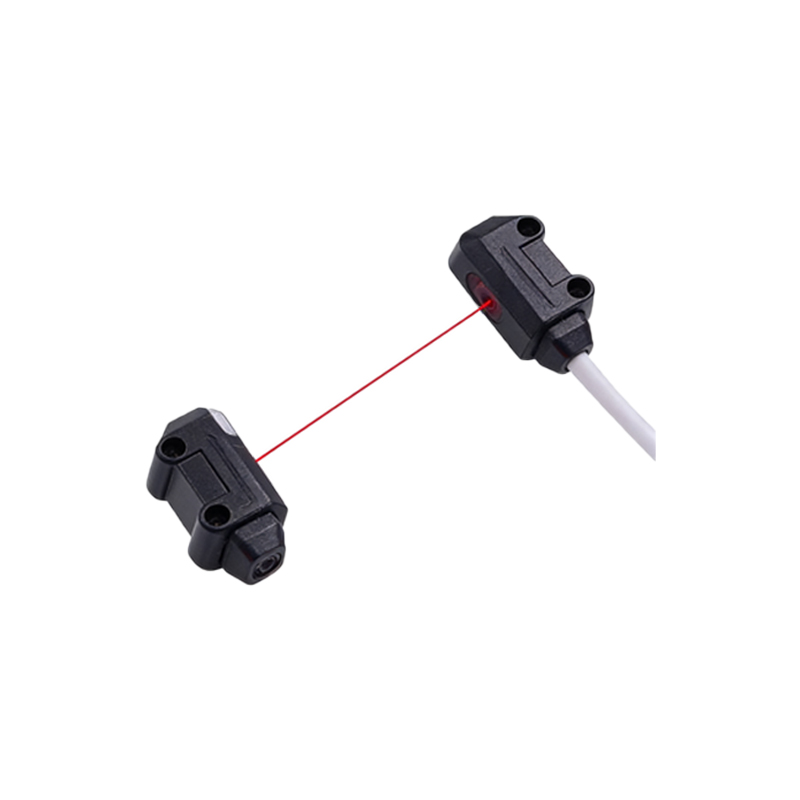
The cost of a Bell Ring photoelectric sensor is primarily determined by its sensing technology (through-beam, retro-reflective, or diffuse), maximum sensing distance, and housing material. For example, basic diffuse sensors with a range of 1 meter typically cost between $30 and $80, while through-beam sensors with a range of 20 meters can range from $100 to $300. Additionally, sensors with IP67 or IP69K protection, stainless steel housings, and built-in amplifiers command higher prices due to increased durability and performance in wet or dusty conditions.
Typical Price Ranges for Common Models
Here are typical price brackets for standard Bell Ring photoelectric sensor models:
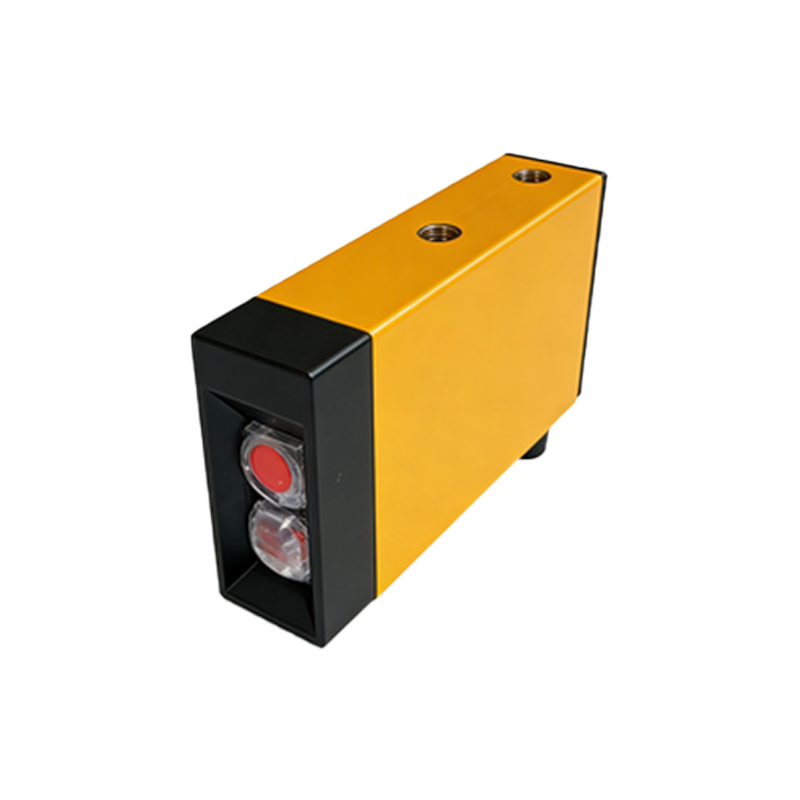
- Entry-level diffuse sensors (e.g., BR-30 series): $25 – $60. Suitable for short-range detection in clean environments.
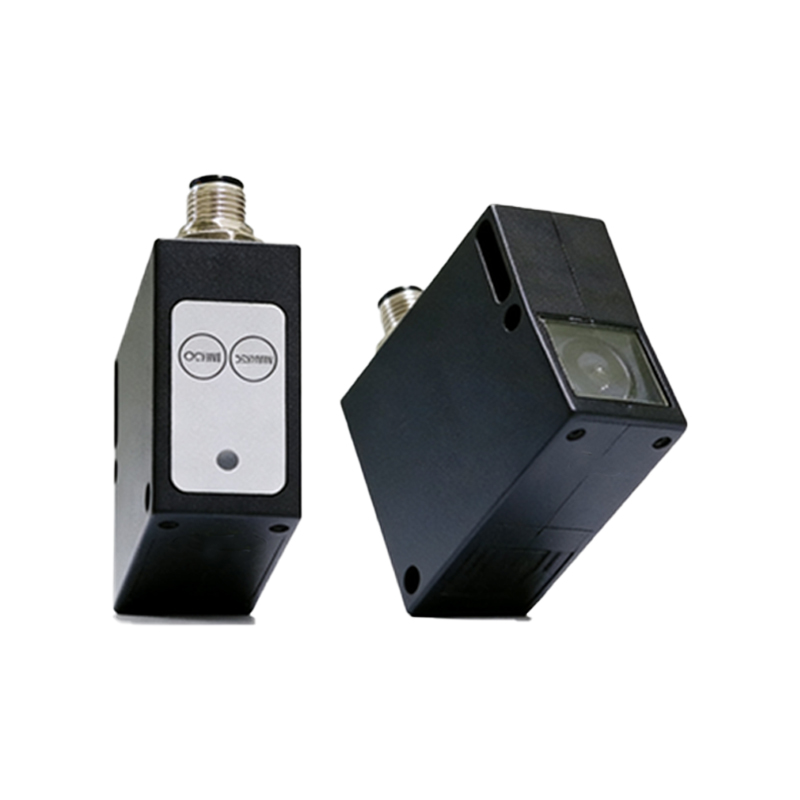
- Mid-range retro-reflective sensors (e.g., BR-50 series): $50 – $120. Ideal for medium-range applications with stable targets.
- High-performance through-beam sensors (e.g., BR-100 series): $80 – $250. Used for long-range detection (up to 30 meters) in challenging conditions.
- Specialty sensors with IO-Link communication: $120 – $350. Enables advanced diagnostics and parameterization.
Prices may vary depending on distributor discounts, bulk orders, and regional tariffs.
Accessories and Their Impact on Total Cost
Beyond the sensor unit, accessories such as mounting brackets, reflectors, and cable connectors add to the total investment. A standard reflector for retro-reflective sensors costs $10 – $30, while a stainless steel bracket may be $15 – $50. For applications requiring quick disconnection, M12 connectors can add $5 – $20 per sensor. Engineers should budget for these items to avoid unexpected project costs.
Comparing Bell Ring to Competitor Pricing
Bell Ring sensors are competitively priced against brands like SICK, Omron, and Banner. For instance, a comparable diffuse sensor from SICK may cost $45 – $90, while Bell Ring offers similar performance at $30 – $70. However, Bell Ring’s lower price point does not compromise quality, as they meet IEC 60947-5-2 standards. This makes them a cost-effective choice for high-volume industrial applications.
Where to Find the Latest Price List
To obtain the most current Bell Ring photoelectric sensor price list, visit official distributors like AutomationDirect, RS Components, or the manufacturer’s website. Many suppliers offer online configurators that provide real-time pricing based on specific model numbers and quantities. For large orders, request a quotation to negotiate bulk discounts.
Conclusion: Making a Cost-Effective Selection
When selecting a Bell Ring photoelectric sensor, balance performance requirements with budget constraints. Evaluate the sensing distance, environmental conditions, and output compatibility. By understanding the pricing factors and typical ranges, engineers can optimize their automation systems without overspending. Always verify prices with authorized dealers for accuracy.