Understanding Photoelectric Sensor Performance Metrics
As an electrical engineer with over 15 years in industrial automation, I have evaluated countless photoelectric sensors across various brands. The key performance metrics include sensing range, response time, ambient light immunity, and environmental sealing (IP rating). When comparing brands, focus on these parameters rather than just price. For example, a sensor with a 10-meter range but poor ambient light rejection will fail in outdoor applications, regardless of the brand name.
Leading Brands: SICK and Banner Engineering
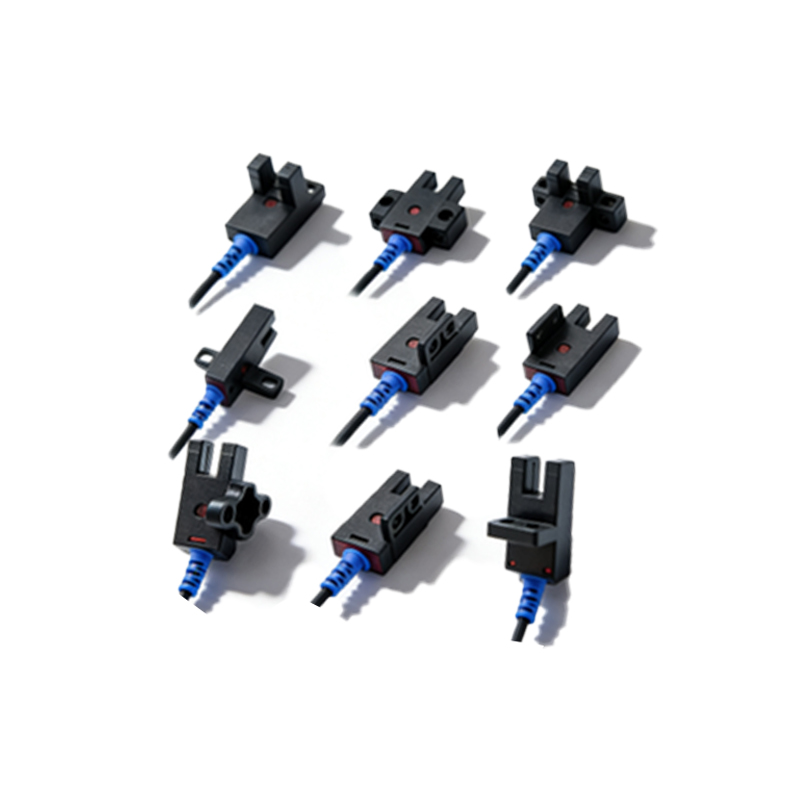
SICK, a German manufacturer, consistently delivers high reliability sensors with advanced features like automatic calibration and robust metal housings. Their WL series offers excellent background suppression and is ideal for conveyor systems in automotive plants. Banner Engineering, an American brand, excels in rugged environments with their QS30 series, which provides up to 50 meters of sensing range and IP69K protection for washdown applications. Both brands offer extensive technical documentation and global support, making them top choices for critical installations.
Cost-Effective Options: Omron and Pepperl+Fuchs
For budget-conscious projects without sacrificing quality, Omron's E3Z series provides reliable performance for general-purpose sensing, such as packaging lines. Their diffuse models have a range of 1.5 meters with good stray light immunity. Pepperl+Fuchs offers the ML100 series, which is compact and suitable for space-limited applications like small part detection. These brands are widely used in food processing and pharmaceutical industries due to their competitive pricing and compliance with international standards.
Specialized Solutions: Keyence and Balluff
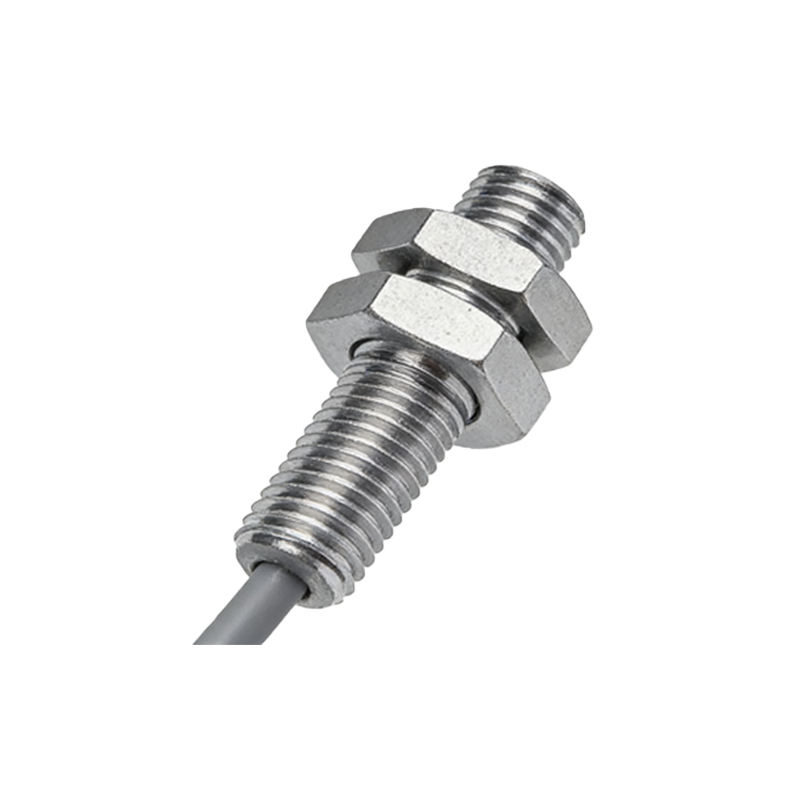
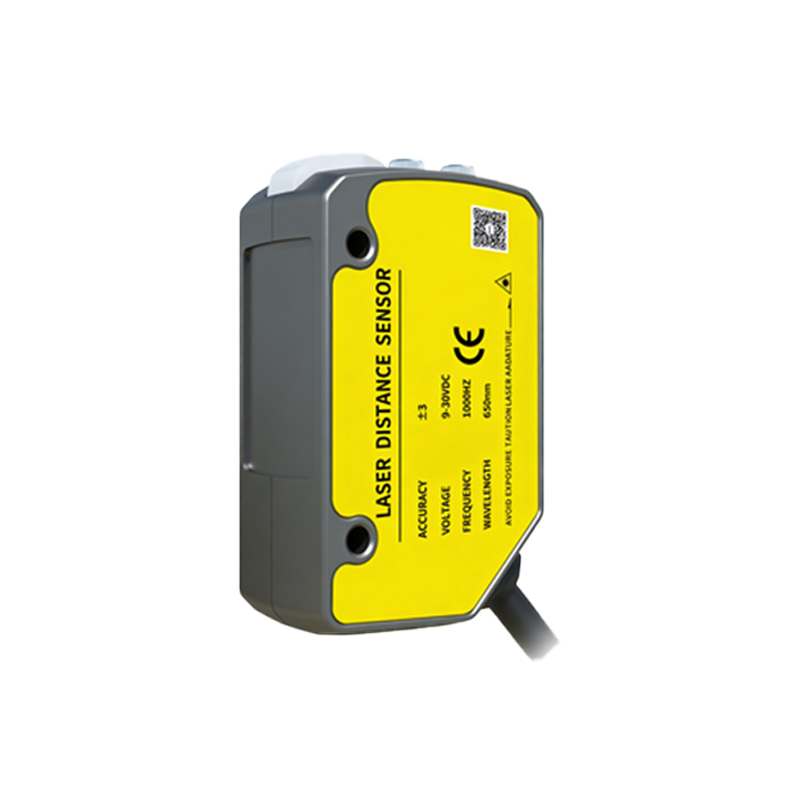
Keyence's LR-Z series is renowned for its laser-based sensing, achieving sub-millimeter precision for object detection in electronics manufacturing. Their sensors feature built-in amplifiers and easy-to-use LCD displays for quick setup. Balluff, another German brand, provides robust inductive and photoelectric sensors for heavy machinery, such as their BOS series with stainless steel housings for corrosive environments. Both brands are preferred for high-precision or harsh conditions, though they come at a premium price.
Selection Criteria Based on Application Needs
When choosing a brand, first define your application's environmental conditions: indoor or outdoor, temperature extremes, humidity, and presence of chemicals. For example, in a steel mill with high temperatures and dust, SICK or Balluff sensors with metal housings and high IP ratings are essential. For a cleanroom in electronics assembly, Keyence's laser sensors offer the needed precision. Always request sample units from multiple brands and test them in your specific setup before committing to a bulk purchase.
Final Recommendation: Balancing Quality, Cost, and Support
In my professional experience, no single brand is universally best. SICK and Banner are excellent for reliability and support, Omron and Pepperl+Fuchs for cost-effectiveness, and Keyence and Balluff for specialized needs. I recommend maintaining a diversified supplier base: use SICK for critical safety systems, Omron for standard automation, and Keyence for precision tasks. Always verify local distributor support and warranty terms, as these significantly impact long-term operational costs.