Product Overview and Core Features
The photoelectric sensor 2M18 is a robust and versatile device widely used in industrial automation for object detection, positioning, and counting. Designed with a cylindrical M18 threaded housing, it offers high reliability in harsh environments, such as dust, moisture, and vibration. Key features include a sensing distance up to 2 meters, adjustable sensitivity, and multiple output types (NPN/PNP). Its diffuse, retro-reflective, and through-beam modes enable flexible integration into conveyor systems, packaging lines, and material handling applications.
Technical Specifications and Performance
The 2M18 operates with a supply voltage of 10-30V DC, ensuring compatibility with standard industrial controllers. Its infrared or red LED light source provides stable detection even on shiny or dark surfaces, with a switching frequency up to 500 Hz. The sensor’s IP67 protection rating guarantees resistance to water and dust ingress, making it suitable for wet or dirty production areas. Additionally, the built-in short-circuit and reverse polarity protection minimizes downtime and maintenance costs in high-volume operations.
Installation and Wiring Guidelines
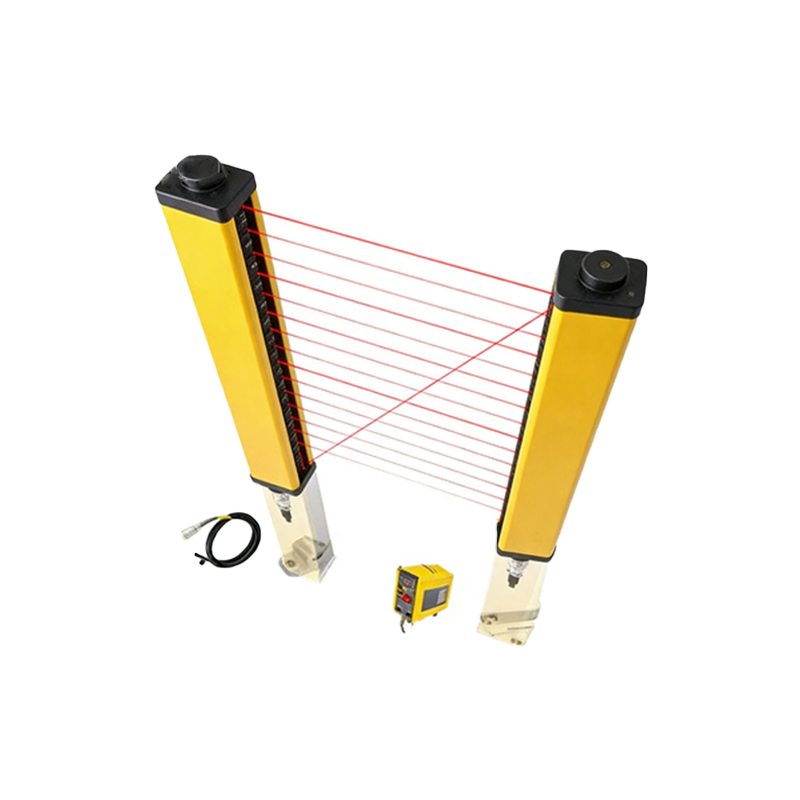
For optimal performance, mount the 2M18 sensor using the provided M18 threaded nut and lock washer to prevent loosening due to vibration. Align the sensor with the target object within the specified sensing range (0-2m for through-beam, 0.1-1.5m for diffuse). Connect the 3-wire or 4-wire cable (brown=positive, blue=negative, black=output, white=optional control line) to a PLC or relay. Use shielded cables in electrically noisy environments to reduce false triggers. A typical installation includes a mounting bracket for fixed positioning.
Common Applications in Industry
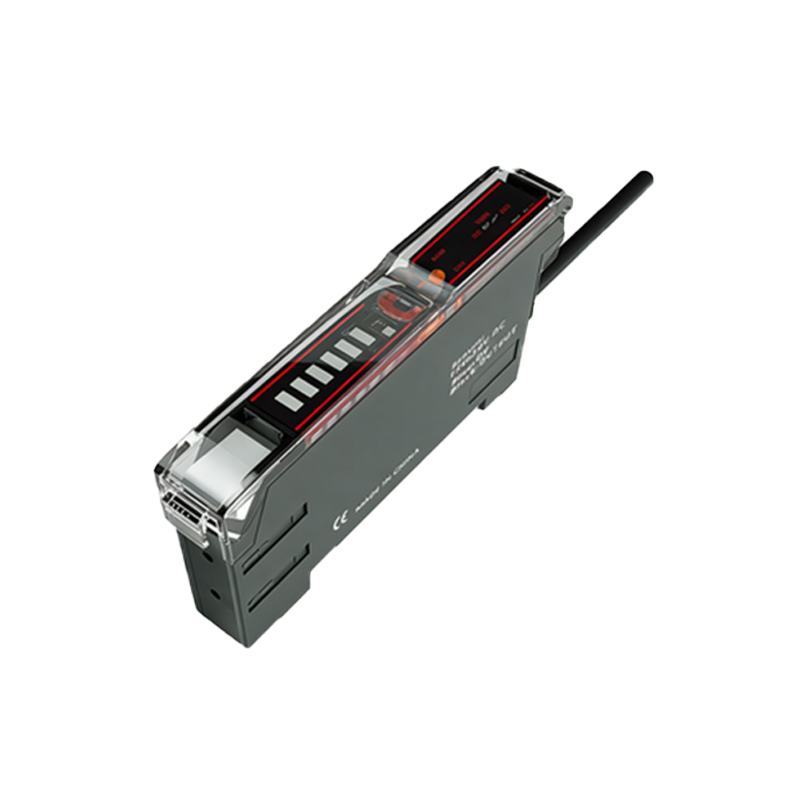
In automotive assembly lines, the 2M18 detects component presence on conveyors, triggering robotic arms for precise placement. In food packaging, its diffuse mode counts bottles through transparent wrappers without contact, ensuring hygiene. For warehouse logistics, retro-reflective sensors track pallet positions on racks, interfacing with inventory management systems. These examples highlight its adaptability in sectors like pharmaceuticals, metalworking, and logistics.
Troubleshooting and Maintenance Tips
If the sensor fails to detect, verify power supply and clean the optical lens with a lint-free cloth. Check alignment: a misaligned reflector (in retro-reflective mode) or dust accumulation can reduce range. For erratic outputs, inspect cable connections and ensure no electrical noise from nearby motors. Re-calibrate sensitivity using the potentiometer adjustment screw. Regular monthly inspection of the housing and seals extends lifespan, especially in high-temperature environments.
Advantages Over Alternative Sensors
Compared to inductive or capacitive sensors, the 2M18 detects a wider range of materials (metals, plastics, liquids) and distances (up to 2m). Its non-contact operation reduces wear, and the M18 standard size simplifies replacement in existing systems. Unlike ultrasonic sensors, it performs better in high-speed applications (up to 500 Hz) and is unaffected by air currents. This makes it a cost-effective choice for upgrading legacy automation lines.
Future Trends and Integration
The 2M18 is evolving with IO-Link communication for real-time diagnostics and parameter setting via a PLC. As Industry 4.0 expands, sensors like this will integrate with cloud-based predictive maintenance systems, reducing unplanned downtime. Advanced versions may include multi-mode detection or self-cleaning lenses, enhancing reliability in smart factories. Engineers should consider these upgrades for long-term automation scalability.