Introduction to Photoelectric Sensors
Photoelectric sensors are critical components in industrial automation, used for detecting objects, distances, and presence through light emission and reception. As an electrical engineer, selecting the right brand ensures reliability, precision, and long-term performance. This guide provides a detailed overview of top photoelectric sensor brands, focusing on their core features, applications, and industry reputation.
Key Considerations for Choosing Photoelectric Sensors
Before diving into brands, engineers must evaluate factors like sensing range, ambient light immunity, response time, and environmental durability (e.g., IP ratings). Each brand offers unique advantages in these areas, making it essential to match sensor specifications with application requirements such as conveyor systems, packaging lines, or robotic guidance.
Leading Global Photoelectric Sensor Brands
Several brands dominate the market, each with distinct strengths. Below are the most recognized names in the electrical industry, known for their innovation and quality.
SICK AG
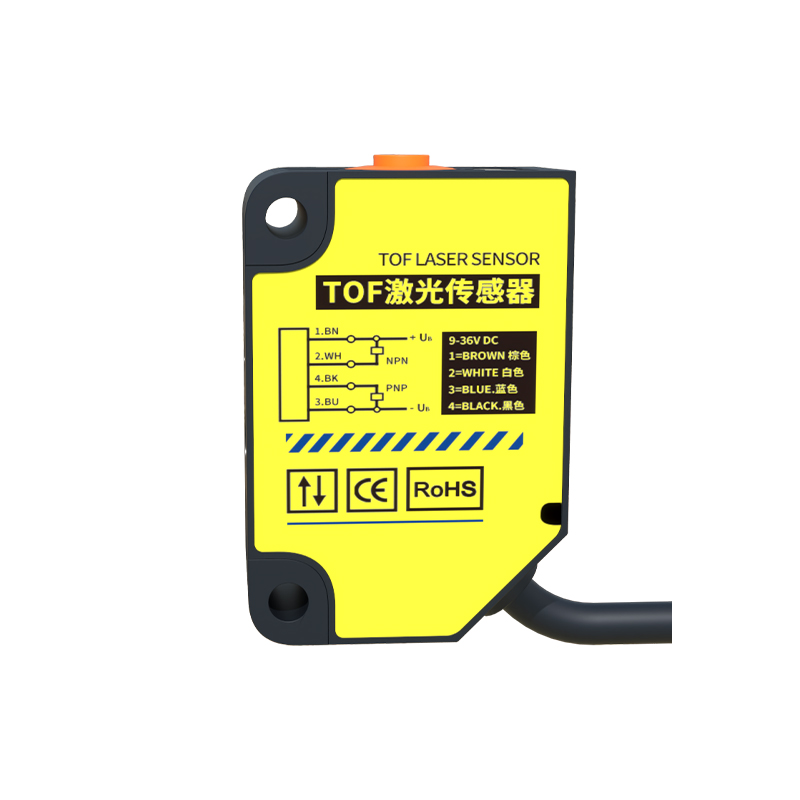
Based in Germany, SICK is a pioneer in sensor technology. Their photoelectric sensors, such as the WL series, are renowned for high precision and long ranges, often used in automotive and logistics automation. They excel in challenging environments with advanced background suppression.
Omron Corporation
Omron, a Japanese giant, offers the E3Z and E3X series, emphasizing cost-effectiveness and ease of integration. These sensors are popular in food and beverage industries, with models featuring IO-Link for smart factory connectivity.
Banner Engineering
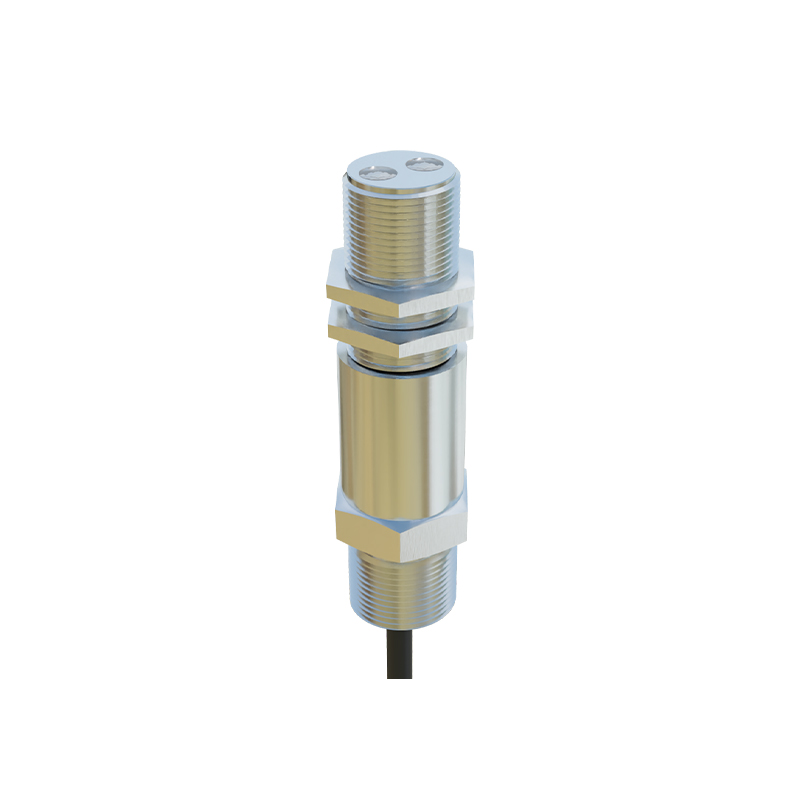
US-based Banner Engineering provides rugged sensors like the Q4X series, ideal for heavy-duty applications. Their strength lies in laser-based detection and high-speed response, suitable for metalworking and material handling.
Pepperl+Fuchs
German manufacturer Pepperl+Fuchs specializes in explosion-proof photoelectric sensors, such as the ML100 series, for hazardous environments. They are trusted in oil, gas, and chemical sectors, offering exceptional reliability in extreme conditions.
Keyence Corporation
Keyence, from Japan, delivers high-performance sensors like the LR-Z series, known for their compact design and long life. They are often used in electronics manufacturing where small object detection is critical, with built-in stabilization features.
Balluff GmbH
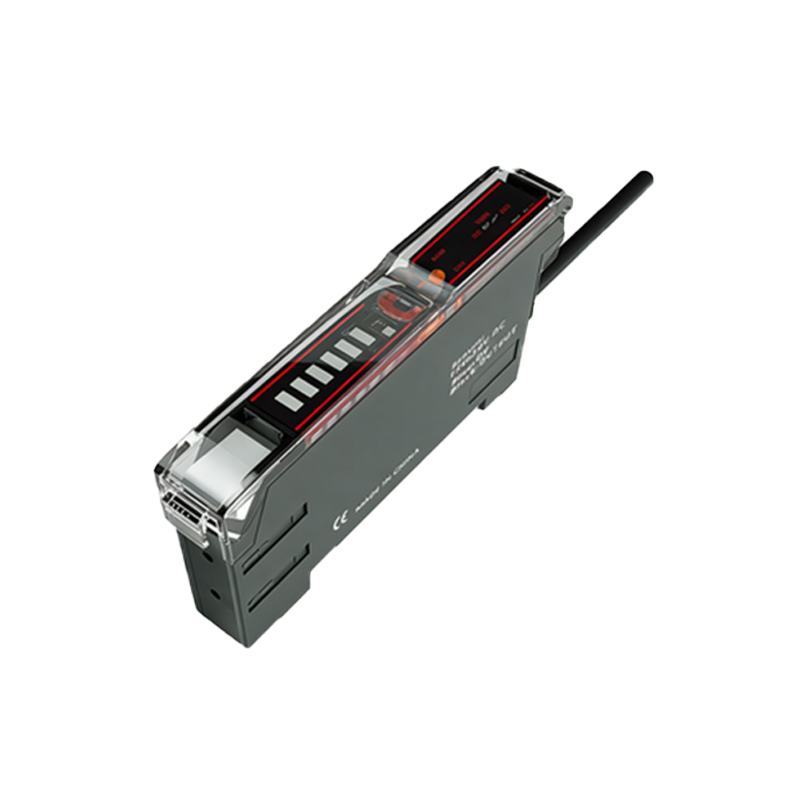
Balluff, a German brand, focuses on industrial automation with sensors like the BOS series. Their products are valued for robust construction and compatibility with various controllers, particularly in machine tool and packaging automation.
Turck GmbH
Turck offers versatile photoelectric sensors such as the QS series, designed for proximity and retro-reflective applications. They are strong in the automotive industry, with models featuring advanced diagnostics for predictive maintenance.
Baumer Group
Swiss-based Baumer provides high-precision sensors like the O300 series, with excellent background suppression. They are preferred in pharmaceutical and medical device manufacturing for their cleanliness and accuracy.
Eaton Corporation
Eaton, an American power management company, includes photoelectric sensors in their automation portfolio, like the CUTLER-HAMMER series. These are durable and cost-efficient, often used in building automation and food processing.
Rockwell Automation (Allen-Bradley)
Rockwell’s Allen-Bradley brand offers the 42EF series, integrating seamlessly with their control systems. These sensors are common in North American manufacturing, emphasizing ease of programming and network compatibility.
Emerging and Niche Photoelectric Sensor Brands
Beyond the giants, several smaller brands provide specialized solutions. For instance, Autonics (South Korea) offers budget-friendly options for basic applications, while ifm electronic (Germany) focuses on condition monitoring sensors with built-in data logging. These are ideal for cost-sensitive projects or IoT-enabled systems.
How to Test and Validate Photoelectric Sensors
Engineers should always conduct field trials with selected brands. Check for false triggers by testing with different object colors and materials (e.g., glossy vs. matte). Use oscilloscopes to measure response time jitter, and review datasheets for temperature tolerance. Many brands provide free sample units for evaluation.
Conclusion and Recommendations
For general-purpose automation, consider SICK or Omron for balance of cost and performance. For hazardous environments, Pepperl+Fuchs is unmatched. For high-speed applications, Banner or Keyence deliver top results. Always consult with regional distributors who can provide application-specific support and calibration services.