Introduction to Photoelectric Sensor Design Engineering
A photoelectric sensor design engineer is a specialized professional in the electrical and automation industry, responsible for developing sensors that detect objects, distances, or environmental changes using light. These engineers bridge the gap between optics, electronics, and mechanical design. Their work ensures sensors function reliably in harsh industrial environments, from conveyor belts to robotic arms. A strong foundation in physics, particularly in light properties such as wavelength and intensity, is critical. Additionally, they must understand customer requirements to create solutions that improve factory automation efficiency.
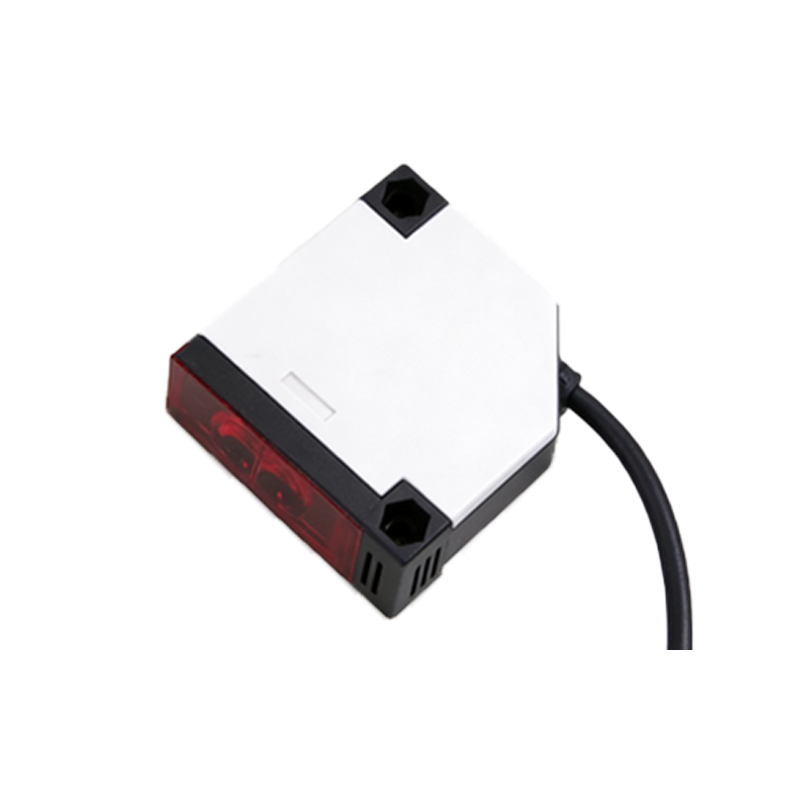
Core Technical Competencies
The role demands expertise in several key areas. First, optical design involves selecting appropriate emitters (like LEDs or laser diodes) and receivers (such as photodiodes) to achieve desired detection ranges and response times. Second, electronic circuit design is crucial for signal processing, noise filtering, and power management. Engineers must be proficient in using tools like Altium Designer for PCB layout and SPICE for circuit simulation. Third, firmware development often requires knowledge of microcontrollers (e.g., ARM Cortex) and programming languages like C to handle communication protocols such as IO-Link or 4-20 mA loops.
Design Process and Testing
The typical design cycle begins with concept generation based on market needs, such as long-range detection or resistance to ambient light interference. Engineers create prototypes using 3D printing for housing and then rigorously test them in conditions mimicking real-world factories—including dust, vibration, and temperature extremes. Key performance indicators include output stability, immunity to electrical noise, and energy efficiency. Testing often follows standards like IEC 60947-5-2 for proximity sensors. Failures are analyzed through root cause analysis, leading to iterative design improvements.
Integration with Industry 4.0
Modern photoelectric sensors must integrate seamlessly into smart factories. Design engineers now incorporate features like digital diagnostics, self-calibration, and connectivity to PLCs via Ethernet/IP or Profinet. Understanding edge computing principles allows sensors to pre-process data before sending it to central systems, reducing latency. For example, a sensor might differentiate between a product and a foreign object on a production line. This requires balancing processing power with cost constraints. Collaboration with software engineers is essential to ensure data formats align with cloud-based analytics platforms.
Challenges and Emerging Trends
A major challenge is designing for miniaturization without compromising performance. As devices shrink, heat dissipation and optical alignment become more difficult. Another trend is the use of time-of-flight (ToF) technology, which calculates distance based on light travel time, enabling 3D mapping. Engineers must stay updated on advancements in semiconductor materials, such as Gallium Nitride (GaN) for faster switching. Sustainability is also gaining focus, with demands for energy-saving designs and recyclable materials. Continuous learning through conferences and technical papers is vital.
Conclusion: The Value of a Design Engineer
A photoelectric sensor design engineer not only creates hardware but also solves complex problems that directly impact productivity. Their ability to innovate while adhering to industry regulations makes them indispensable in the electrical sector. For companies, investing in skilled engineers leads to more reliable, efficient, and future-proof automation systems. As factories evolve toward fully autonomous operations, the role will expand to include AI integration and advanced data analytics, ensuring that light-based sensing remains a cornerstone of industrial technology.