Introduction to Photoelectric Sensors in Electric Door Systems
Photoelectric sensors are essential components in modern electric door systems, offering reliable detection of obstacles, vehicles, or pedestrians. These sensors use light beams to sense changes in the environment, ensuring doors open and close safely. In industrial settings, they reduce downtime and prevent accidents, making them a critical choice for automated door applications. Understanding their working principles and applications can help electrical engineers optimize door performance.
Working Principles of Photoelectric Sensors
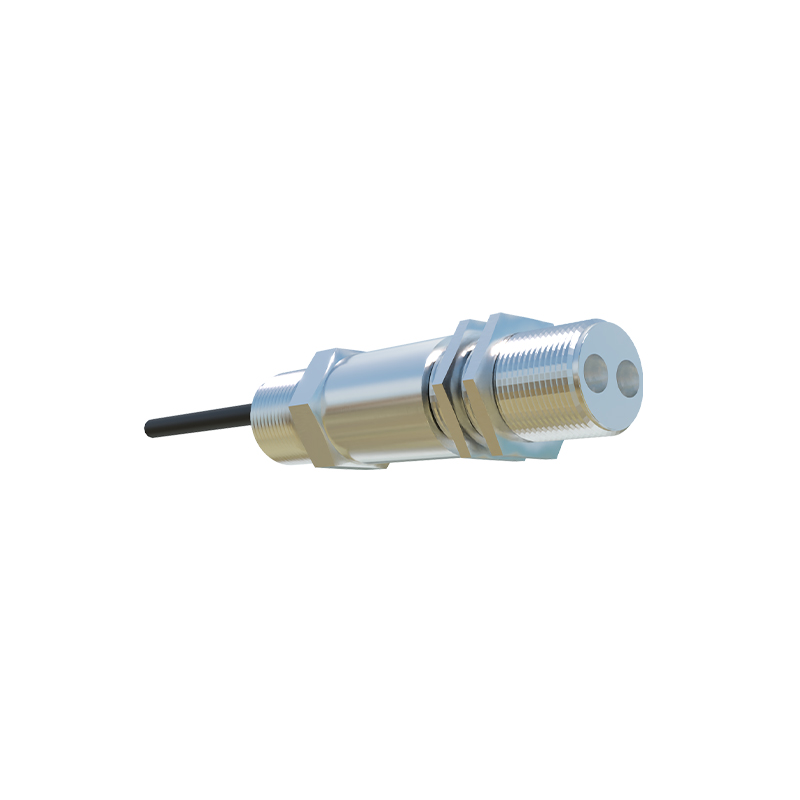
Photoelectric sensors operate by emitting a light beam, typically infrared or visible red, toward a receiver. When an object interrupts or reflects this beam, the sensor triggers a signal to the door controller. There are three main types: through-beam sensors, retro-reflective sensors, and diffuse-reflective sensors. Through-beam types offer the longest range and highest reliability, while diffuse-reflective sensors are ideal for close-range detection. Engineers must choose based on door speed, environment, and obstacle size.
Key Benefits for Electric Door Applications
Integrating photoelectric sensors into electric door systems provides several advantages. First, they enhance safety by preventing door closure when an object is detected, reducing injury risks. Second, they improve energy efficiency by automating door operation, minimizing air loss in conditioned spaces. Third, they increase throughput in high-traffic areas like warehouses or hospitals. For example, in logistics centers, sensors ensure smooth material flow without manual intervention.
Selection Criteria for Industrial Environments
When selecting photoelectric sensors for electric doors, consider factors like ambient lighting, dust, and vibration levels. For outdoor doors, choose sensors with high IP ratings (e.g., IP67) to withstand moisture and debris. Response time is critical for high-speed doors; sensors with millisecond response times prevent collisions. Additionally, sensor alignment and mounting height must align with door operation zones. Consulting manufacturer datasheets for beam divergence and detection patterns is recommended.
Installation and Maintenance Best Practices
Proper installation ensures long-term sensor performance. Mount sensors at a height where they detect the tallest expected obstacle, such as a forklift mast. Use shielded cables to minimize electromagnetic interference from motors. Regular maintenance includes cleaning lens surfaces and checking beam alignment, especially in dusty environments. A calibration checklist every quarter can prevent false triggers or missed detections. For retro-reflective models, ensure reflectors remain intact and clean.
Troubleshooting Common Issues
Common problems with photoelectric sensors include false triggering due to reflective surfaces or overlapping beams. To resolve, adjust sensitivity settings or use polarized filters. Ambient light interference can be mitigated by selecting sensors with modulated light frequencies. If a sensor fails to detect, verify power supply and wiring continuity. In harsh conditions, switch to laser-based sensors for better penetration through fog or steam. Always document issues for future reference.
Future Trends in Sensor Technology
Emerging trends include IoT-enabled sensors that provide real-time diagnostics and remote adjustments via cloud platforms. These smart sensors can predict failures by analyzing signal degradation over time. Additionally, multi-beam arrays are being developed to detect small objects like carton flaps. For electric doors in automated factories, integration with vision systems will enable advanced object classification. Staying updated on these innovations helps engineers design future-proof systems.