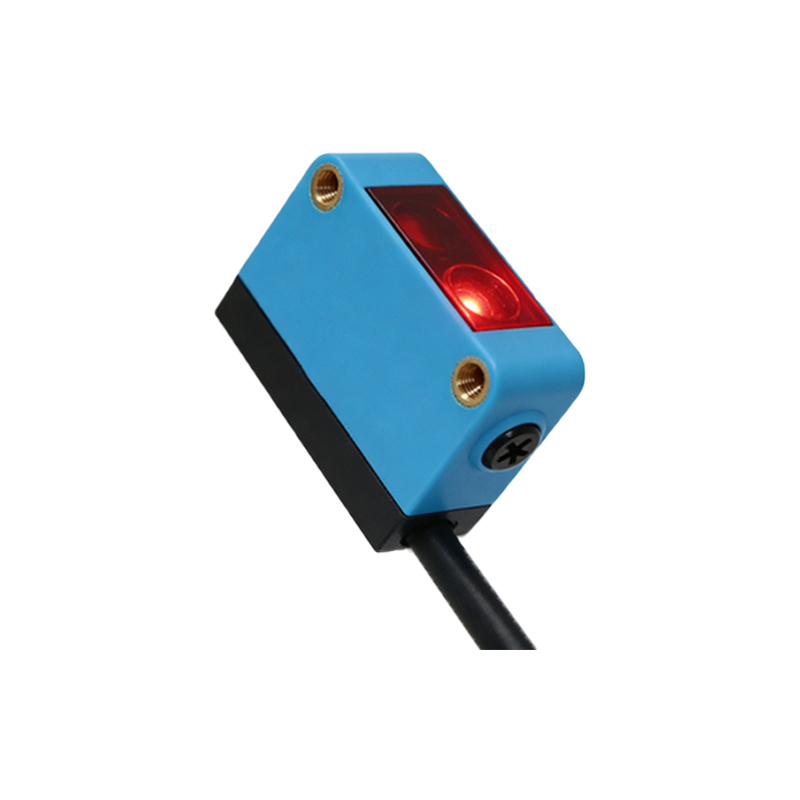
Introduction to Photoelectric Sensors
Photoelectric sensors, also known as photo eyes or light sensors, are essential components in industrial automation and control systems. These devices detect the presence, absence, or distance of objects using light beams, typically in the visible or infrared spectrum. As an electrical engineer, understanding their operating principles, types, and applications is crucial for designing robust, efficient systems. Photoelectric sensors offer distinct advantages over mechanical switches, including non-contact operation, high speed, and ability to detect a wide range of materials—from transparent to opaque objects.
Operating Principles and Light Sources
The fundamental principle behind photoelectric sensors involves emitting light from a transmitter and receiving it at a receiver. The sensor’s output changes based on the interruption or reflection of the light beam. Common light sources include LEDs (light-emitting diodes) for cost-effectiveness and durability, laser diodes for long-range or precision applications, and infrared LEDs for ambient light immunity. Engineers must consider the wavelength (e.g., 660 nm for red light, 850 nm for infrared) as it affects performance in dusty, humid, or high-glare environments. The modulation frequency is also critical to filter out ambient light interference, ensuring reliable detection.
Types of Photoelectric Sensors
There are three primary configurations: through-beam (opposed), retro-reflective, and diffuse (proximity). Through-beam sensors have separate transmitter and receiver units, offering the longest sensing range (up to 100 meters) and highest accuracy, ideal for conveyor belt systems. Retro-reflective sensors combine transmitter and receiver in one housing, using a reflector to bounce the beam back; they are cost-effective for medium-range applications (up to 10 meters) but may struggle with highly reflective objects. Diffuse sensors detect light reflected directly from the target, making them simple to install but range-limited (up to 2 meters) and sensitive to object color and surface finish. Engineers must evaluate the target material, distance, and environmental conditions when selecting a type.
Key Performance Parameters
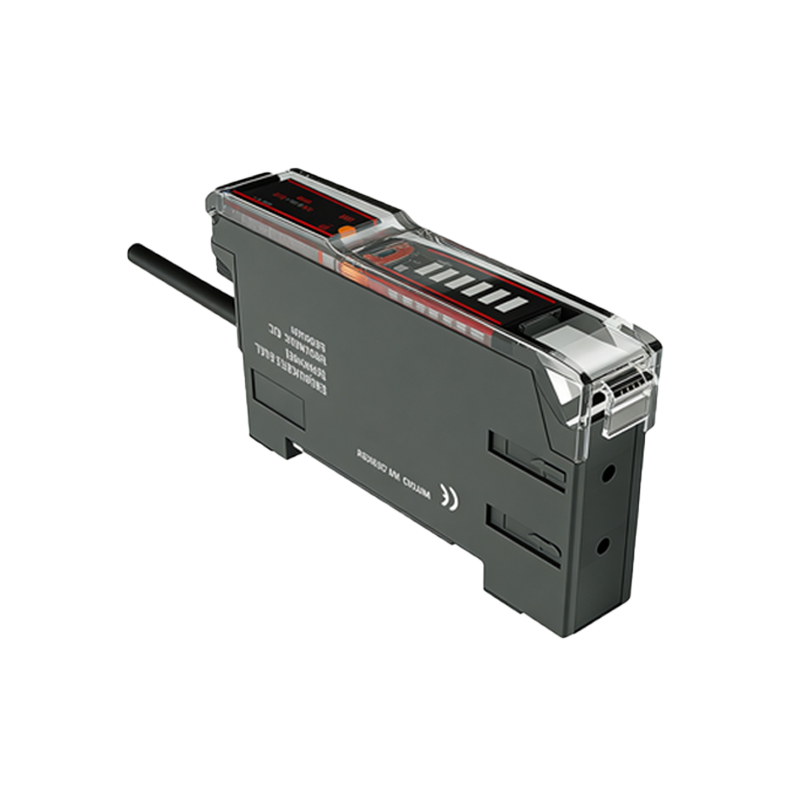
Critical specifications include sensing range, response time, output type (e.g., NPN, PNP, analog, or IO-Link), and ambient light rejection. Sensing range varies from millimeters for fiber optic models to over 100 meters for through-beam types. Response time, measured in milliseconds, determines suitability for high-speed applications like packaging lines. Output type must match the PLC or controller input: NPN (sinking) is common in Asian markets, while PNP (sourcing) is prevalent in Europe and North America. IO-Link sensors enable advanced diagnostics and parameterization. Additionally, engineers should consider IP rating for dust and moisture protection (e.g., IP67 for washdown environments).
Applications in Industrial Automation
Photoelectric sensors are ubiquitous in manufacturing, logistics, and process control. Common uses include object detection on assembly lines, counting components, positioning pallets, and safety interlocks (e.g., light curtains for personnel protection). In food and beverage industries, stainless steel housings with high-pressure washdown capability are required. In automotive factories, laser sensors detect small parts with sub-millimeter precision. Engineers must also account for background suppression in diffuse sensors to avoid false triggers from shiny surfaces.
Installation and Troubleshooting Tips
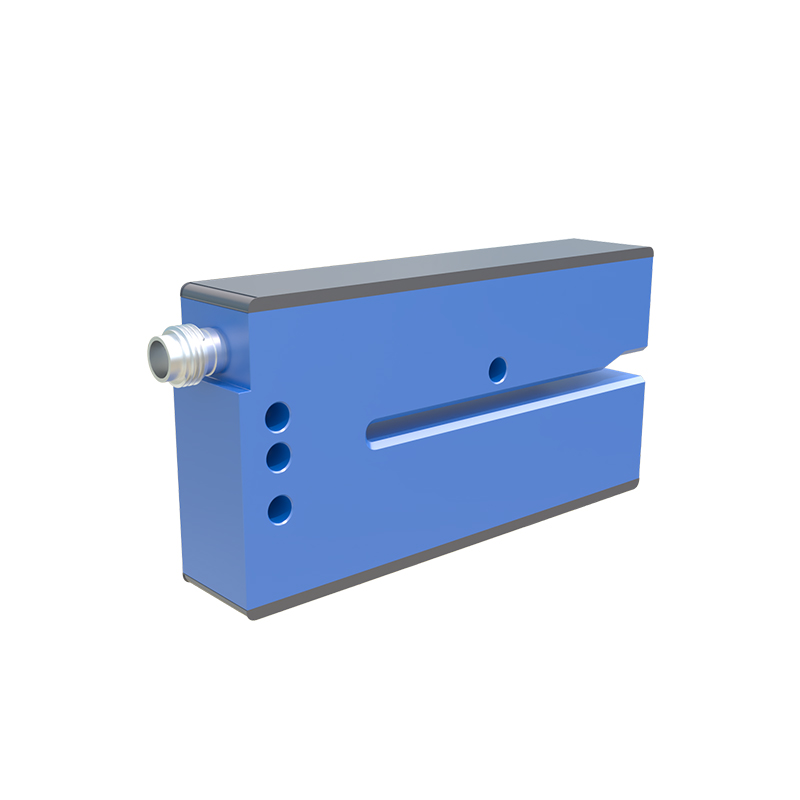
Proper alignment is critical for reliable operation, especially with through-beam sensors. Use laser alignment tools for long distances. Avoid mounting near heat sources or direct sunlight, which can saturate receivers. For retro-reflective sensors, ensure the reflector is clean and perpendicular to the beam. Common issues include lens fogging, misalignment due to vibration, and electrical noise from adjacent high-voltage cables. Implementing shielded cables and ferrite beads can mitigate electromagnetic interference. Periodic cleaning with approved solvents and recalibration based on application changes (e.g., new product sizes) extend sensor life.
Future Trends and Integration
Advancements include smart sensors with built-in diagnostics and wireless communication via Bluetooth or Wi-Fi, enabling predictive maintenance. Miniaturization allows integration into compact robotic end-effectors. Multi-point sensors can detect multiple positions simultaneously, reducing wiring complexity. As Industry 4.0 evolves, photoelectric sensors will continue to play a key role in data acquisition and edge computing, helping engineers optimize production efficiency and reduce downtime.