Introduction to Photoelectric Sensors in Toilets
Photoelectric sensors are key components in modern smart toilets, enabling automatic flushing, lid operation, and hygiene control. These sensors rely on optical principles to detect user presence or movement without physical contact. In the electrical engineering domain, understanding their working mechanism is crucial for design, troubleshooting, and optimization. This article explains the core principle, components, and operational logic of toilet photoelectric sensors.
Basic Operating Principle
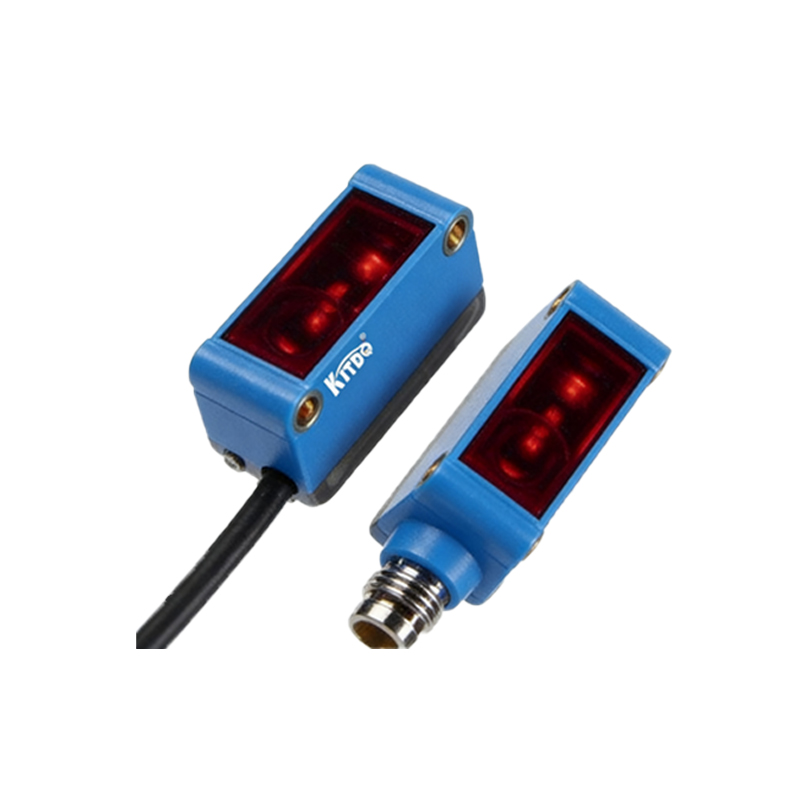
A photoelectric sensor consists of a light emitter (usually an infrared LED) and a photodetector (such as a photodiode or phototransistor). The emitter sends out a beam of modulated infrared light. When a user approaches or occupies the toilet, the light beam is either reflected back to the detector (reflective mode) or interrupted (through-beam mode). The detector converts the received light intensity into an electrical signal. This signal is then processed by a microcontroller to trigger actions like flushing or opening the lid.
Reflective vs. Through-Beam Configurations
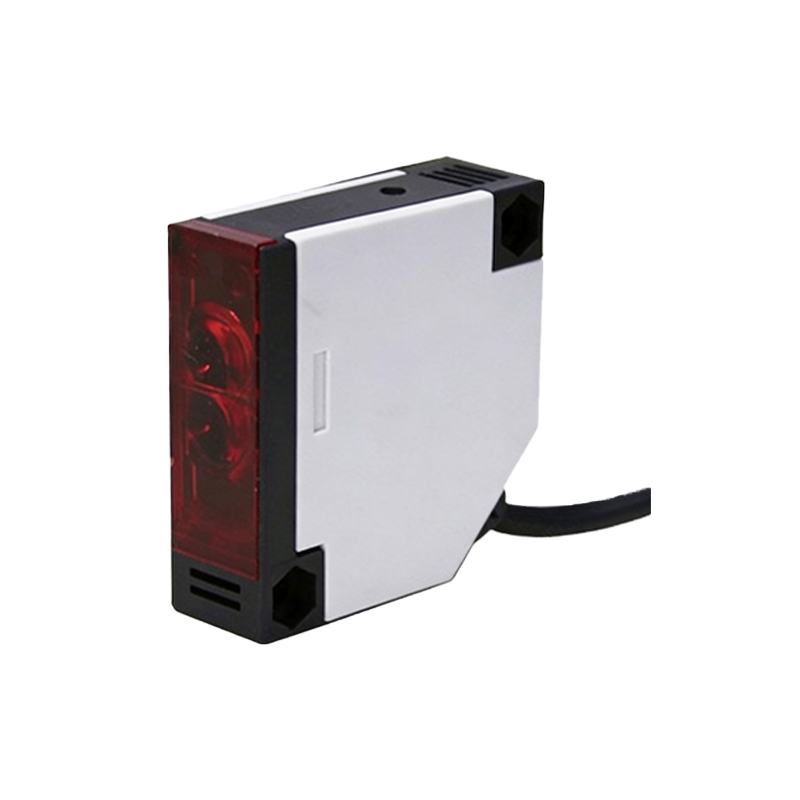
In smart toilets, the reflective mode is more common due to compact installation. The emitter and detector are housed in the same unit. When no user is present, the detector sees minimal reflected light. When a user stands or sits, the body reflects the infrared beam back to the detector, increasing the signal level. The threshold for triggering is set to avoid false alarms from small objects (e.g., toilet paper). In contrast, through-beam sensors have separate emitter and detector units placed across the bowl rim, but they are less popular due to installation complexity.
Modulation and Noise Rejection
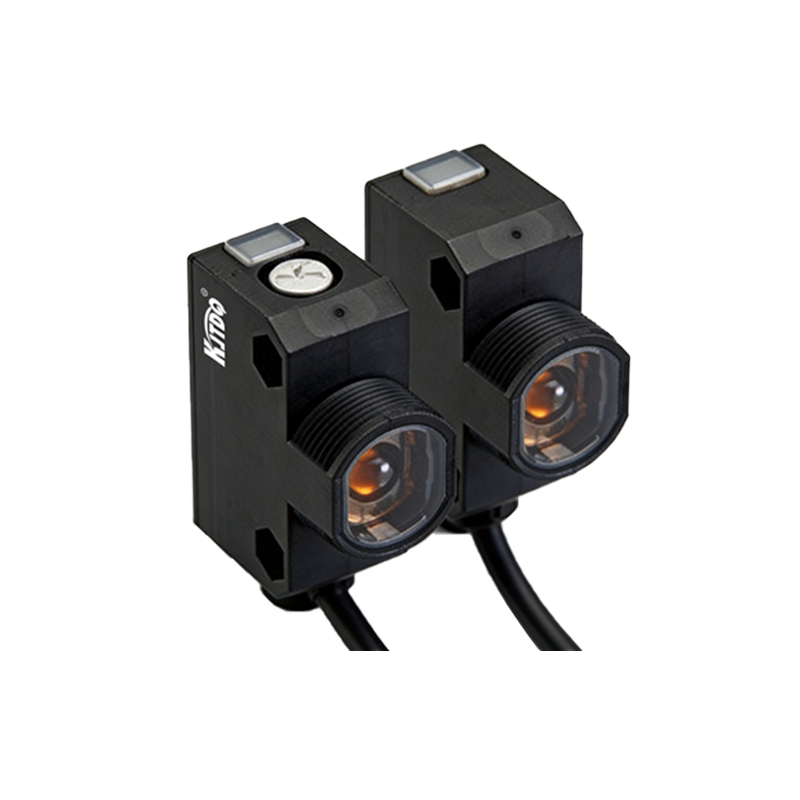
To prevent interference from ambient light (e.g., sunlight or bathroom lights), the infrared LED is pulsed at a specific frequency (typically 38 kHz or similar). The detector is tuned to respond only to this modulated signal. A synchronous demodulation circuit filters out constant light or random noise. This technique ensures reliable operation even in bright bathrooms. Engineers must calibrate the modulation frequency and pulse duty cycle to balance power consumption and detection range.
Detection Zone and Sensitivity Adjustment
The sensor's detection zone is defined by the beam angle and intensity. Typically, the angle is narrow (15-30 degrees) to focus on the toilet bowl area. Sensitivity can be adjusted via potentiometers or software parameters. A higher sensitivity extends the range but may cause false triggers. In practice, a detection distance of 30-50 cm from the sensor to the user's body is standard for automatic flush applications. Engineers must test the sensor in real toilet environments to avoid dead zones.
Integration with Microcontroller and Actuator
The photodetector output is an analog voltage or digital pulse. This signal is fed into a microcontroller's ADC (analog-to-digital converter) or input pin. The microcontroller executes a debounce algorithm to filter out transient signals (e.g., a hand waving). Once a valid presence is confirmed for a preset time (e.g., 2 seconds), it sends a command to the actuator (e.g., solenoid valve for flushing or motor for lid movement). Power management is critical, as many sensors operate on battery power.
Common Failure Modes and Troubleshooting
Typical issues include false triggering due to dirt on the sensor window, misalignment of the emitter/detector, or component aging. Engineers should clean the lens with isopropyl alcohol and check the alignment during installation. If the sensor fails to detect, measure the LED drive current and detector output voltage with an oscilloscope. Environmental factors like condensation or temperature extremes can also affect performance. Proper housing with IP rating is recommended.
Conclusion
Photoelectric sensors in toilets operate on a simple yet robust principle of modulated infrared light reflection. Their design requires careful consideration of optics, electronics, and software to achieve reliable detection in a wet, variable environment. For electrical engineers, mastery of this technology supports the development of smarter, more hygienic bathroom solutions.