Proximity sensor mechanisms represent a cornerstone of industrial automation, enabling non-contact detection of objects with precision and reliability. These devices operate on various physical principles, each suited to specific applications and environmental conditions.
Inductive proximity sensors detect metallic objects through electromagnetic fields. A coil generates an oscillating magnetic field; when a metal target enters this field, eddy currents form, altering the oscillation amplitude. This change triggers a switch signal. These sensors excel in harsh environments with dust, oil, or moisture, making them ideal for metal detection in machinery and automotive assembly lines.
Capacitive proximity sensors respond to both metallic and non-metallic materials by detecting changes in capacitance. The sensor forms one plate of a capacitor, with the target acting as the other plate. As the target approaches, the capacitance increases until reaching a threshold that activates the output. This mechanism allows detection of liquids, plastics, and granular materials, widely used in food processing, packaging, and level control systems.
Ultrasonic sensors employ sound waves beyond human hearing. A transducer emits ultrasonic pulses and measures the time for echoes to return after hitting an object. Distance calculation relies on the speed of sound. These sensors handle complex object shapes and transparent materials, serving in parking assistance, container level measurement, and robotic navigation.
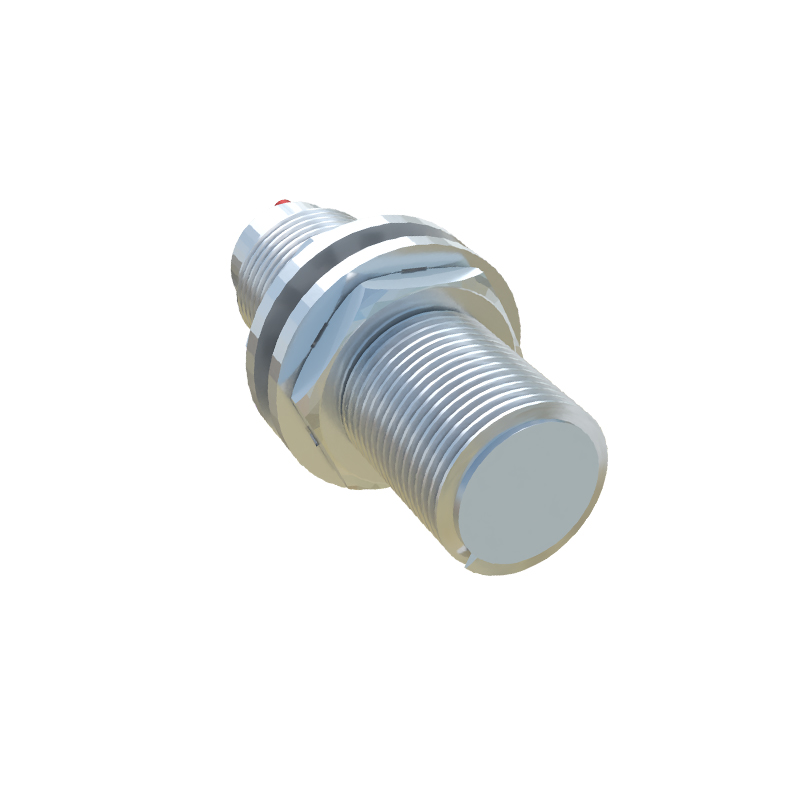
Magnetic proximity sensors utilize reed switches or Hall effect elements. Reed switches contain ferromagnetic blades sealed in glass, closing under a magnetic field’s influence. Hall effect sensors generate voltage when exposed to magnetic fields, offering solid-state durability. Both types detect permanent magnets, commonly applied in door position sensing, cylinder positioning, and speed monitoring.
Photoelectric sensors function via light beams, with variants including through-beam, retro-reflective, and diffuse models. Through-beam models use separate emitter and receiver units, detecting interruptions in the beam. Retro-reflective types employ a reflector to bounce light back to the receiver, while diffuse sensors rely on light reflecting directly from the target. These sensors achieve long ranges and detect minute objects, prevalent in conveyor systems, sorting, and safety curtains.
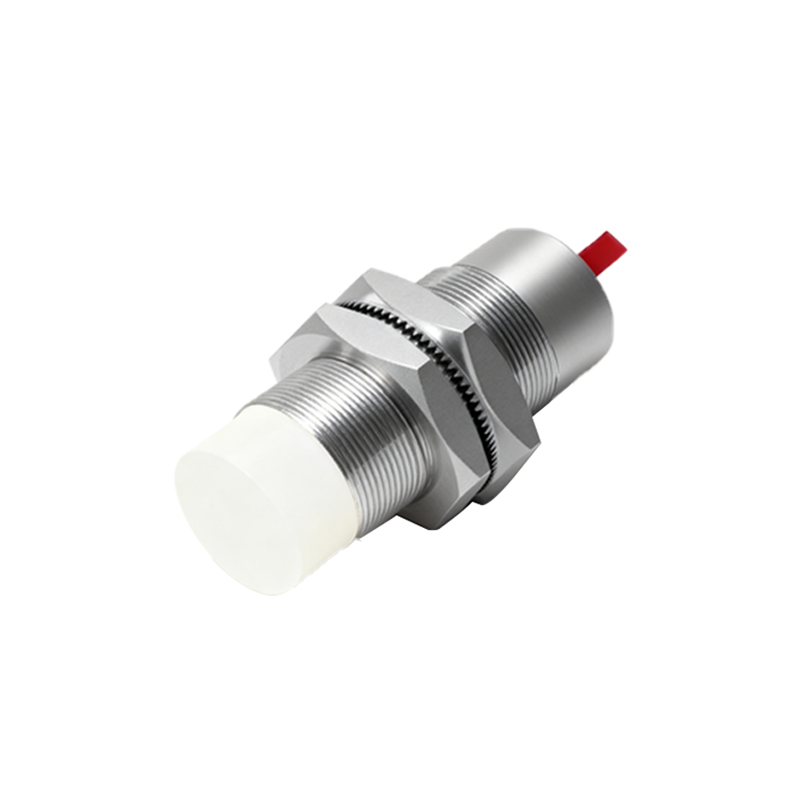
Key selection criteria encompass sensing range, response time, environmental resilience, and target material. Inductive sensors offer millisecond response times and immunity to contaminants but limited to metals. Capacitive sensors adapt to diverse materials yet may react to humidity changes. Ultrasonic sensors provide generous ranges but require stable temperature conditions for accuracy. Magnetic sensors deliver consistent performance in volatile settings but need pre-installed magnets. Photoelectric sensors enable flexible installation and high precision but demand clean optical surfaces.
Installation and alignment significantly impact performance. Proper mounting avoids vibration interference, while correct shielding minimizes electromagnetic noise. Regular maintenance, such as lens cleaning for photoelectric sensors or coil checks for inductive units, ensures longevity. Calibration against known standards maintains accuracy, especially for ultrasonic and capacitive types.
Advancements include miniaturization, enhanced immunity to interference, and integration with Industrial Internet of Things (IIoT) platforms. Smart sensors now embed self-diagnosis, data logging, and wireless connectivity, facilitating predictive maintenance and system optimization. Hybrid designs combine multiple sensing principles to overcome individual limitations, like ultrasonic-capacitive sensors for liquid level tracking in foamy conditions.
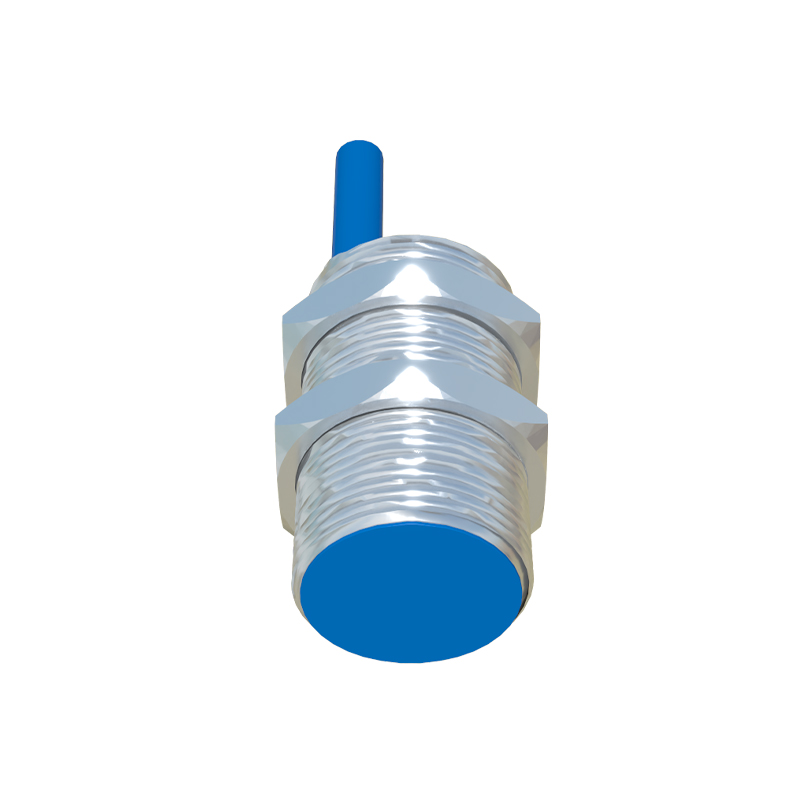
In summary, proximity sensor mechanisms form a diverse ecosystem tailored to automation needs. Understanding their operational principles, strengths, and constraints empowers engineers to deploy effective solutions, driving efficiency and innovation across manufacturing, logistics, and beyond.