Introduction to Photoelectric Sensors
Photoelectric sensors are fundamental components in modern industrial automation systems. They use light beams to detect the presence, absence, or distance of objects without physical contact. As an electrical engineer with over a decade of field experience, I can attest that these sensors are crucial for enhancing efficiency, reliability, and safety in manufacturing lines, packaging, and robotics. Their operation relies on a light emitter and a receiver, converting optical signals into electrical outputs for control systems.
Basic Operating Principles
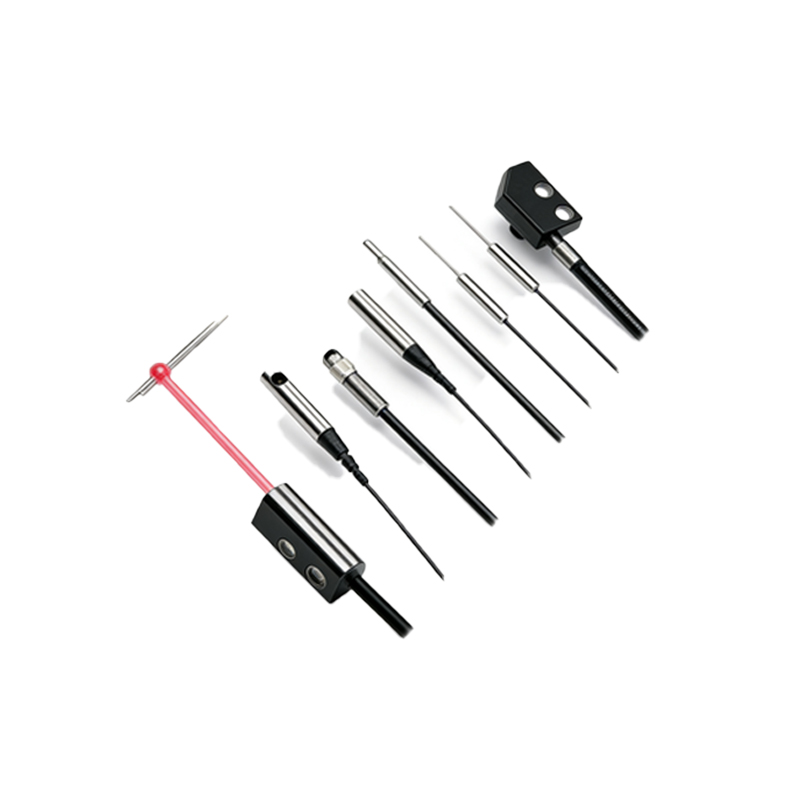
The core principle of photoelectric sensors involves emitting a light source (often infrared, visible red, or laser) and detecting changes in the received light intensity. When an object interrupts or reflects the beam, the sensor triggers a response. Key parameters include sensing range, response time (typically in microseconds), and ambient light immunity. Engineers must consider factors like target material, color, and surface finish, as these affect reflectivity. For instance, dark or matte objects may reduce sensing distance compared to shiny surfaces.
Main Types of Photoelectric Sensors
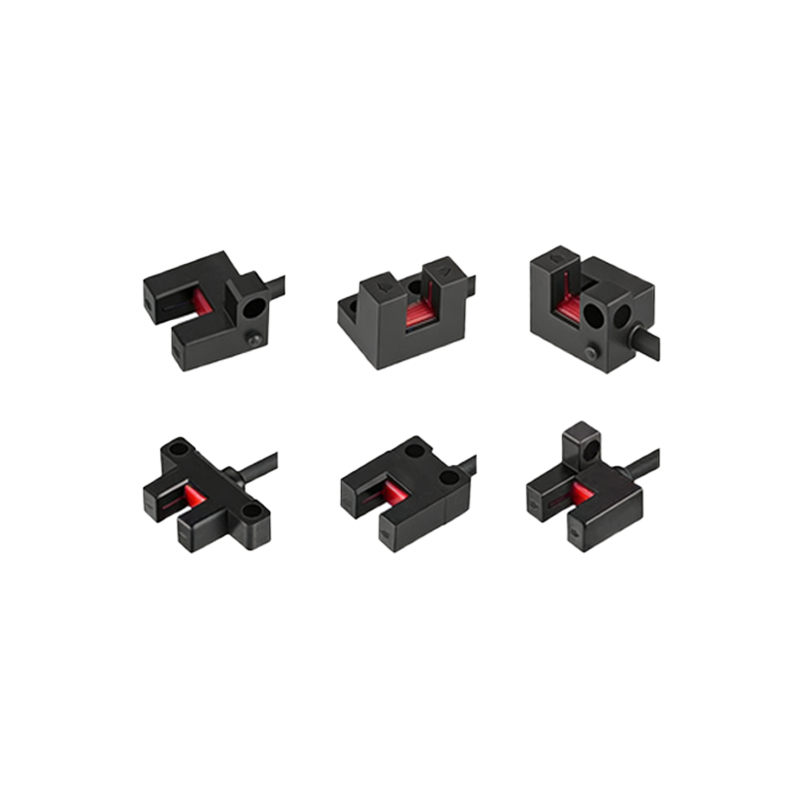
There are three primary configurations: through-beam, retroreflective, and diffuse. Through-beam sensors have separate emitter and receiver units, offering the longest range (up to 30 meters) and highest reliability, but require wiring on both sides. Retroreflective sensors combine emitter and receiver in one housing, using a reflector to bounce the beam back; they are ideal for moderate ranges (up to 10 meters) and transparent object detection. Diffuse sensors detect light reflected directly from the target, suitable for short ranges (up to 2 meters) and simple applications. Each type has distinct advantages in specific industrial environments.
Selection Criteria for Industrial Applications
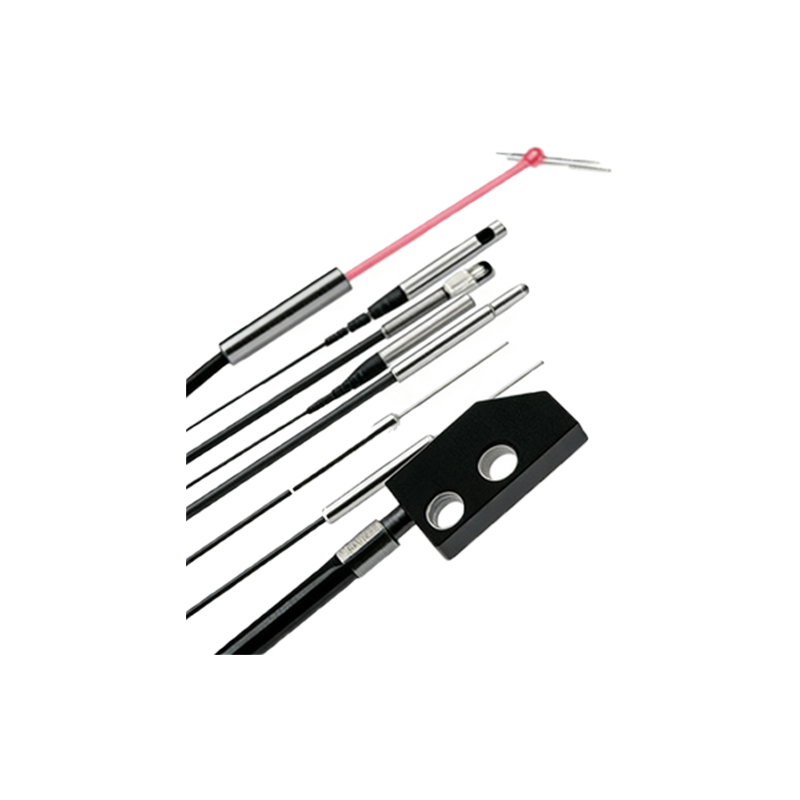
When choosing a photoelectric sensor, prioritize the sensing distance based on your conveyor or machine layout. For dusty or wet conditions, consider sensors with IP67 or higher ratings and built-in lens protection. Output types (PNP, NPN, or analog) must match your PLC or controller inputs. Additionally, evaluate the background suppression feature for diffuse sensors to ignore distant objects. In high-speed sorting lines, laser-based sensors provide precise detection of small parts. Always validate the sensor’s performance with actual target samples during the design phase.
Installation and Calibration Best Practices
Proper alignment is critical. For through-beam sensors, ensure the emitter and receiver are coaxial and free from obstructions. Retroreflective sensors require a clean reflector surface and correct angle to avoid false signals. Use alignment tools like laser pointers or built-in indicators. Calibrate sensitivity to discriminate between the target and background, especially in diffuse mode. Avoid mounting near strong electromagnetic sources, such as motor drives, to prevent interference. Regular cleaning of lenses with soft cloths minimizes signal degradation.
Troubleshooting Common Issues
Field issues often include false triggering due to ambient light, dirt accumulation, or misalignment. Start by checking power supply voltage and wiring connections. If the sensor fails to detect, clean the optics and verify the target’s reflectivity. Use an oscilloscope to monitor output signals for noise. For retroreflective sensors, ensure the reflector is not damaged. In high-vibration areas, secure mounting brackets to prevent drift. Replacing worn-out LEDs or adjusting the threshold can restore performance.
Future Trends and Innovations
The industry is moving toward smart photoelectric sensors with IO-Link communication for real-time diagnostics and parameter adjustments. Laser and time-of-flight (ToF) technologies enable longer ranges and higher accuracy. Miniaturization allows integration into compact robotic grippers. As an engineer, staying updated with these advancements, such as multi-beam sensors for object profiling, will improve system design and reduce downtime.