Introduction to Outdoor Photoelectric Sensors
Outdoor photoelectric sensors are critical components in modern industrial automation, environmental monitoring, and security systems. Designed to withstand harsh weather conditions, these sensors use light beams to detect objects, measure distances, or monitor environmental changes. Unlike indoor sensors, outdoor variants must be ruggedized against rain, dust, UV radiation, and temperature extremes, ensuring reliable performance in diverse settings such as smart cities, traffic management, and agricultural automation. This article explores key technical aspects, selection criteria, and best practices for deploying outdoor photoelectric sensors effectively.
Key Operating Principles
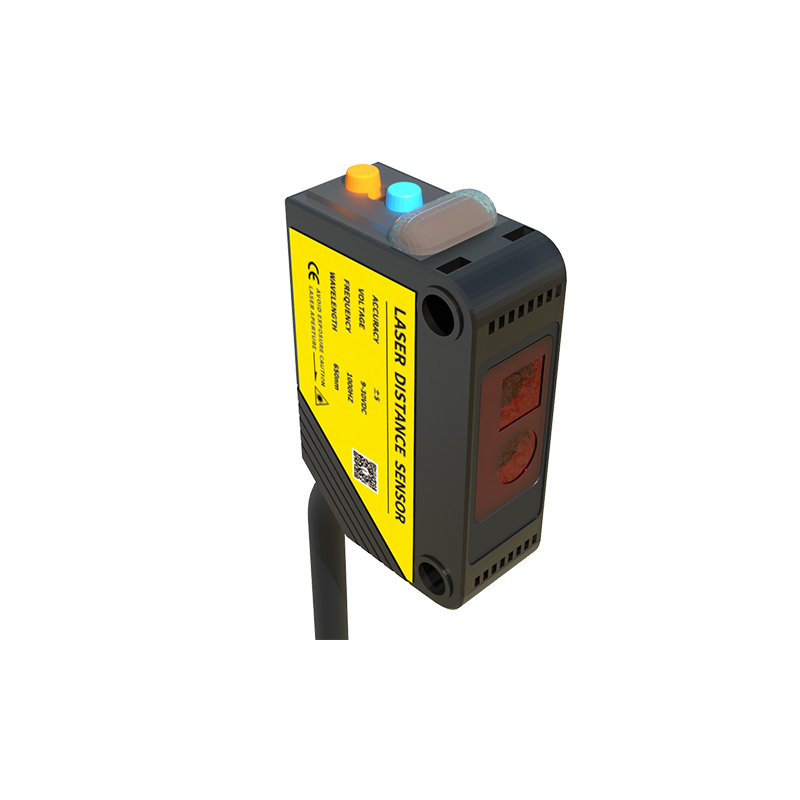
Most outdoor photoelectric sensors operate on three primary modes: through-beam, retro-reflective, and diffuse reflection. Through-beam sensors consist of separate transmitter and receiver units, offering the longest detection range and highest accuracy for outdoor long-distance detection. Retro-reflective sensors use a reflector to bounce the beam back, simplifying installation while maintaining good stability under sunlight. Diffuse reflection sensors rely on the target’s surface to reflect light, ideal for short-range detection and cost-sensitive applications. Advanced models incorporate modulated infrared or laser light to suppress ambient light interference, which is crucial for outdoor environments with varying natural illumination.
Environmental Durability and Protection Ratings
Selecting sensors with appropriate ingress protection (IP) ratings is vital for outdoor use. An IP67 rating ensures dust-tightness and protection against temporary submersion, while IP69K is recommended for high-pressure washdown scenarios in agricultural or industrial outdoor areas. Additionally, consider operating temperature ranges, typically from -25°C to 70°C for standard models, with extended versions supporting -40°C to 80°C. UV-stable housings made of polycarbonate or stainless steel prevent degradation from prolonged sun exposure. Some sensors also feature heated optics or anti-fog coatings to maintain performance in condensation or frost conditions.
Application Scenarios in Outdoor Automation
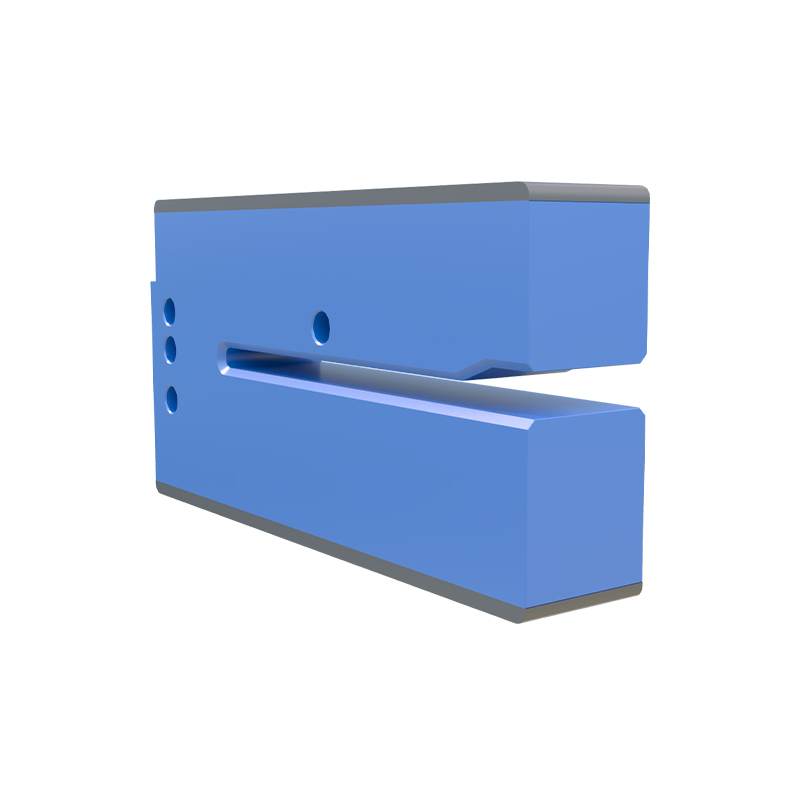
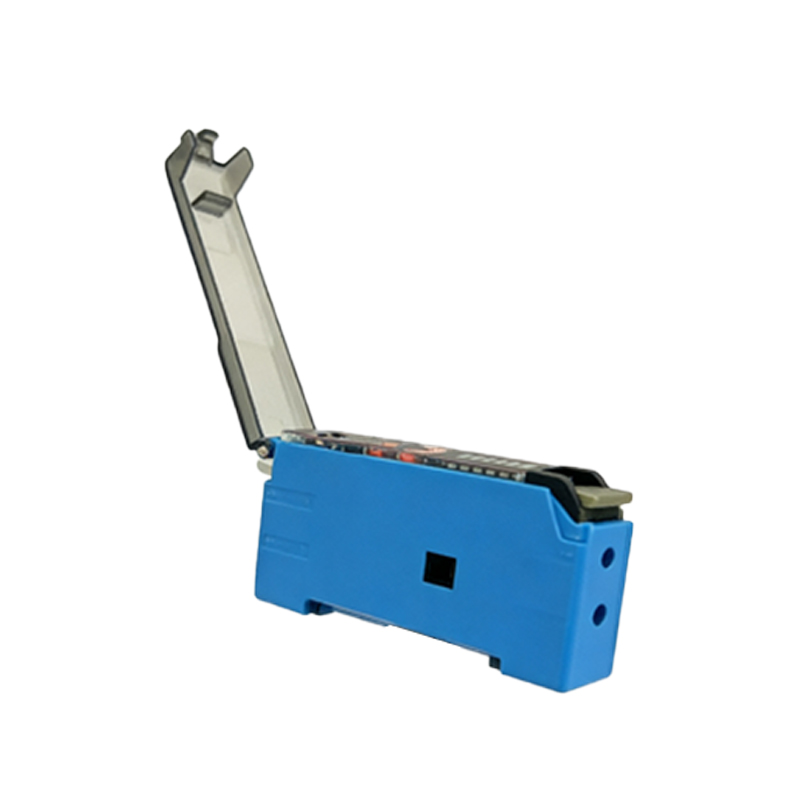
In traffic control systems, retro-reflective sensors monitor vehicle presence at toll booths or parking entrances, offering reliable detection even under rain or snow. For agricultural irrigation, diffuse reflection sensors detect water levels in open channels or soil moisture via light absorption measurements. Security perimeters use through-beam sensors to create invisible fences, triggering alerts when beams are interrupted. In logistics and warehousing, outdoor photoelectric sensors guide autonomous guided vehicles (AGVs) along outdoor paths, leveraging laser-based units for precision in daylight.
Selection Criteria for Engineers
When specifying outdoor photoelectric sensors, engineers must prioritize detection distance, ambient light immunity, and response time. For long-range applications up to 100 meters, through-beam laser sensors are optimal. Retro-reflective models with polarizing filters reduce false triggers from reflective surfaces like wet roads. Diffuse sensors with background suppression are preferable for variable outdoor backgrounds. Additionally, evaluate output types: PNP or NPN for compatibility with PLCs, or IO-Link for advanced diagnostics and remote parameter adjustments. Power supply considerations include low voltage DC (10-30V) with surge protection for outdoor electrical noise.
Installation and Maintenance Best Practices
Proper alignment and mounting are crucial for outdoor sensor reliability. Use vibration-resistant brackets and anti-rotation mounts to maintain beam alignment over time. Cable glands should be sealed with silicone to prevent moisture ingress. Regular maintenance includes cleaning lens surfaces with a soft cloth and isopropyl alcohol to remove dirt or salt deposits. For sensors in dusty environments, consider air purge systems to keep optics clear. Periodic calibration checks using a test target ensure accuracy remains within tolerance, especially after extreme weather events.
Emerging Technologies and Future Trends
The next generation of outdoor photoelectric sensors integrates smart features like self-diagnosis, adaptive gain control, and wireless IoT connectivity. Solid-state designs using VCSEL (Vertical-Cavity Surface-Emitting Laser) diodes offer higher reliability and lower power consumption. AI-based algorithms can distinguish between actual targets and environmental noise (e.g., rain splashes or moving foliage), reducing false alarms. Additionally, multispectral sensors combining visible and infrared wavelengths enable operation in fog or heavy smog, expanding outdoor deployment possibilities.
Conclusion
Outdoor photoelectric sensors are indispensable for robust automation in challenging environments. By understanding their operating principles, environmental ratings, and application-specific nuances, engineers can select and deploy these devices to maximize system uptime and accuracy. As technology advances, these sensors will become even more intelligent and resilient, driving innovation in outdoor industrial and commercial applications.