2026-05-31
Tech Hub
By 创始人
Understanding Thin-Film Photoelectric Sensors in Industrial Automation
Introduction to Thin-Film Photoelectric Sensors
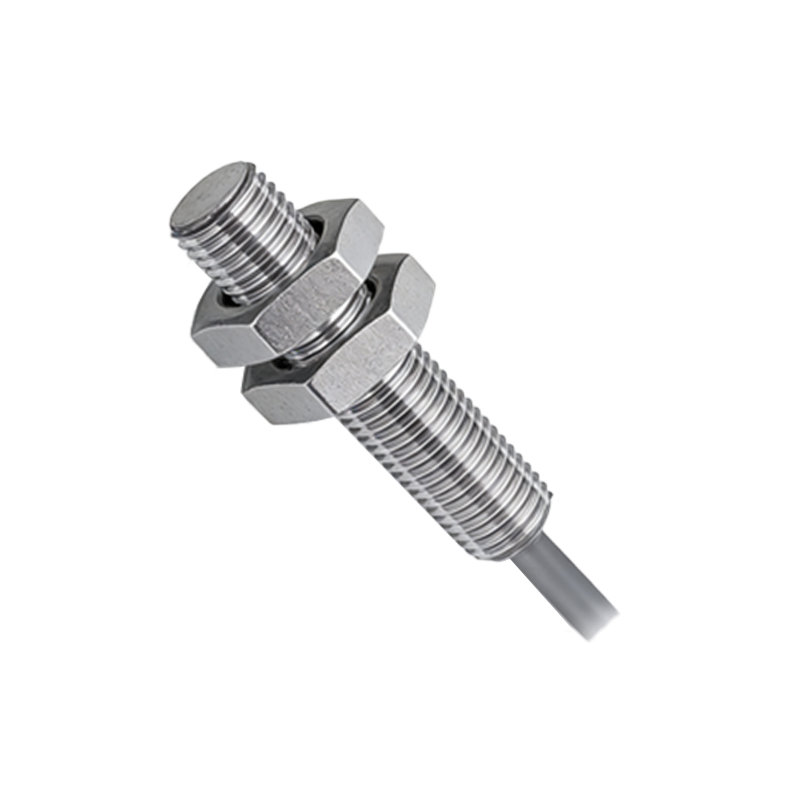
Thin-film photoelectric sensors are advanced optical devices widely used in industrial automation for precise object detection, positioning, and counting. Unlike traditional sensors, they utilize a thin-film active layer to enhance sensitivity and response speed. This technology is critical in applications where space is limited and high accuracy is required, such as in semiconductor manufacturing, packaging lines, and robotics. The sensor operates by emitting a light beam, typically infrared or visible, and detecting changes in the received light caused by an object’s presence or movement.
Working Principle and Key Components
The core of a thin-film photoelectric sensor consists of a light source, a thin-film photodetector, and signal processing electronics. The thin-film layer, often made of materials like amorphous silicon or organic semiconductors, converts light into an electrical signal with minimal noise. When an object interrupts or reflects the light beam, the sensor triggers an output signal. This design allows for fast switching times, often in microseconds, and reliable performance even in dusty or harsh environments. Key advantages include low power consumption and a compact form factor.
Types and Configurations
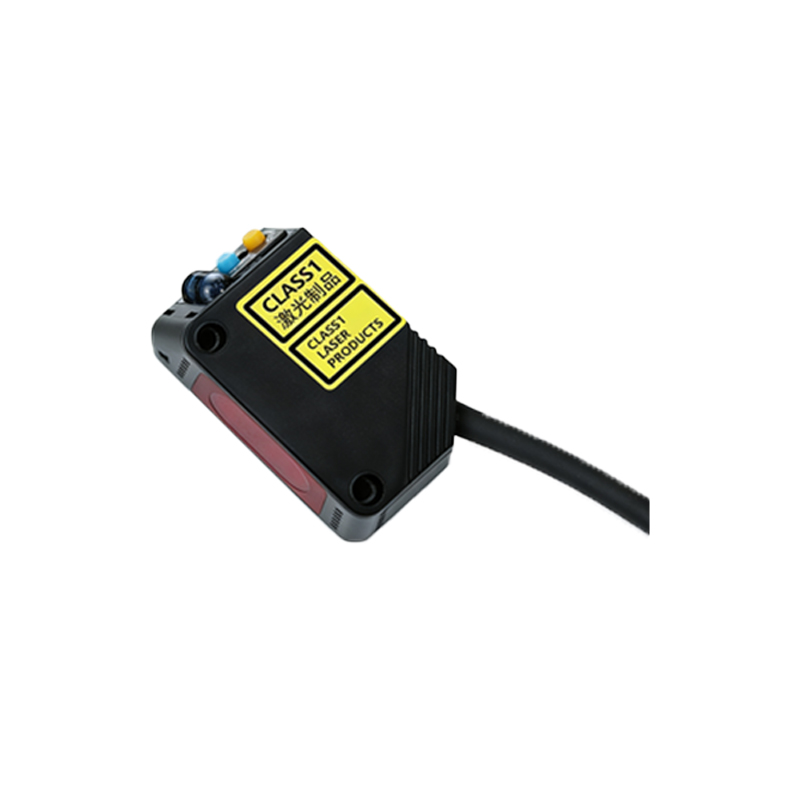
Thin-film photoelectric sensors are available in three main configurations: through-beam, retro-reflective, and diffuse-reflective. Through-beam sensors offer the longest detection range and highest reliability, as the emitter and receiver are separate units. Retro-reflective sensors use a reflector to bounce the beam back, simplifying installation. Diffuse-reflective sensors detect objects by sensing the light reflected off the target itself, making them ideal for short-range applications. Each type is optimized for specific industrial tasks, such as detecting transparent objects or measuring distances.
Applications in Industrial Settings
These sensors are essential in automated production lines for tasks like verifying part presence, monitoring conveyor belt flow, and controlling robotic arms. In electronics assembly, they ensure precise placement of tiny components. In the packaging industry, they detect labels or seal integrity. Their thin-film construction also makes them resistant to vibration and temperature fluctuations, ensuring long-term stability. For example, in a cleanroom environment, a compact thin-film sensor can detect wafer alignment without contaminating the space.
Advantages Over Traditional Sensors
Compared to bulkier photoelectric sensors, thin-film versions offer improved energy efficiency, faster response, and greater design flexibility. They can be integrated into tight spaces, such as inside a robotic gripper or along a narrow conveyor track. Additionally, they exhibit less signal drift over time, reducing maintenance costs. The thin-film technology also enables multi-channel detection in a single device, allowing simultaneous monitoring of multiple points.
Selection Criteria and Installation Tips
When choosing a thin-film photoelectric sensor, consider factors like detection range, ambient light interference, and target material. For transparent objects, through-beam or retro-reflective models with polarized light are recommended. Ensure proper alignment during installation to avoid false triggers. Use shielding or filters in high-ambient-light areas. Regular cleaning of the lens and calibration checks will extend sensor life. Following manufacturer guidelines for voltage and wiring is crucial for safe operation.
Future Trends and Innovations
The evolution of thin-film photoelectric sensors is driven by demands for smarter factories and Industry 4.0 integration. Emerging trends include sensors with built-in IoT connectivity, self-calibration algorithms, and higher sensitivity for nanoscale detection. Advances in flexible thin-film materials will lead to wearable or bendable sensors for novel applications. As automation becomes more pervasive, these sensors will play a key role in enabling real-time data collection and process optimization.