Introduction to Snap-in Photoelectric Sensor Images
Snap-in photoelectric sensors are critical components in industrial automation, offering reliable object detection without physical contact. When evaluating these sensors, high-quality images are essential for engineers to assess design, mounting options, and optical configurations. These visuals typically showcase the sensor’s compact housing, snap-in mounting mechanism, and the emitter-receiver arrangement. Well-captured images highlight critical details such as the lens curvature, indicator LEDs, and cable entry points, aiding in quick specification and installation planning. For optimal SEO, images should be labeled with alt text describing the sensor model and its key features.
Key Visual Features in Snap-in Photoelectric Sensor Photos
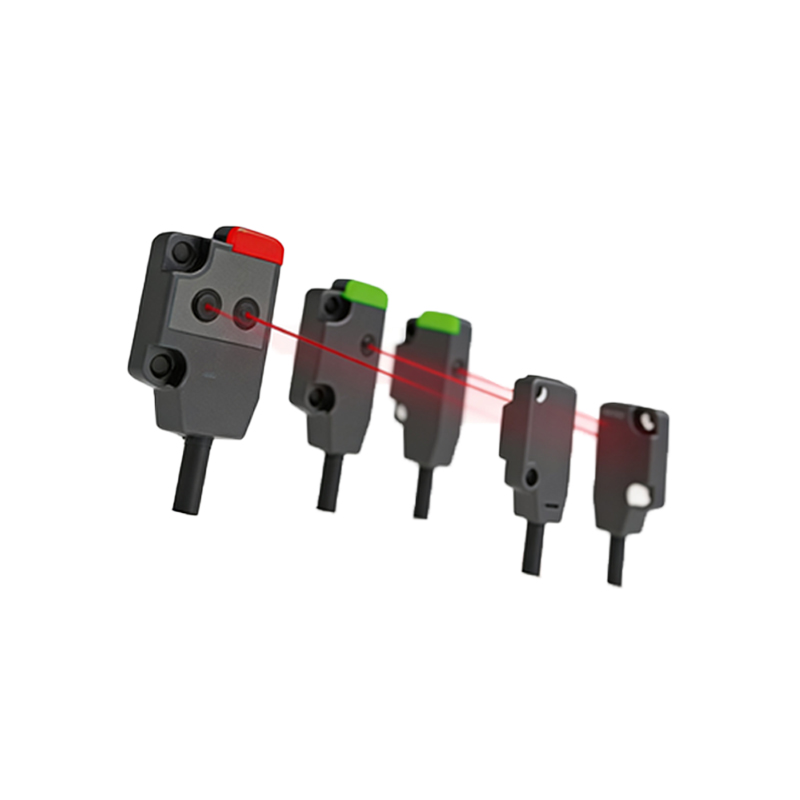
Effective images of snap-in photoelectric sensors emphasize several technical aspects. The snap-in design is often depicted with a side view showing the spring-loaded clips or dovetail grooves that allow tool-less mounting. Close-up shots reveal the optical window, which may be flush or protruding, and the alignment of the through-beam or retroreflective light path. Many photos also include a scale reference or dimensional drawing to assist in panel cutout planning. Color-coded indicators (e.g., green for power, yellow for output) are commonly highlighted to facilitate troubleshooting. A well-composed image will display these elements against a neutral background to minimize distractions.
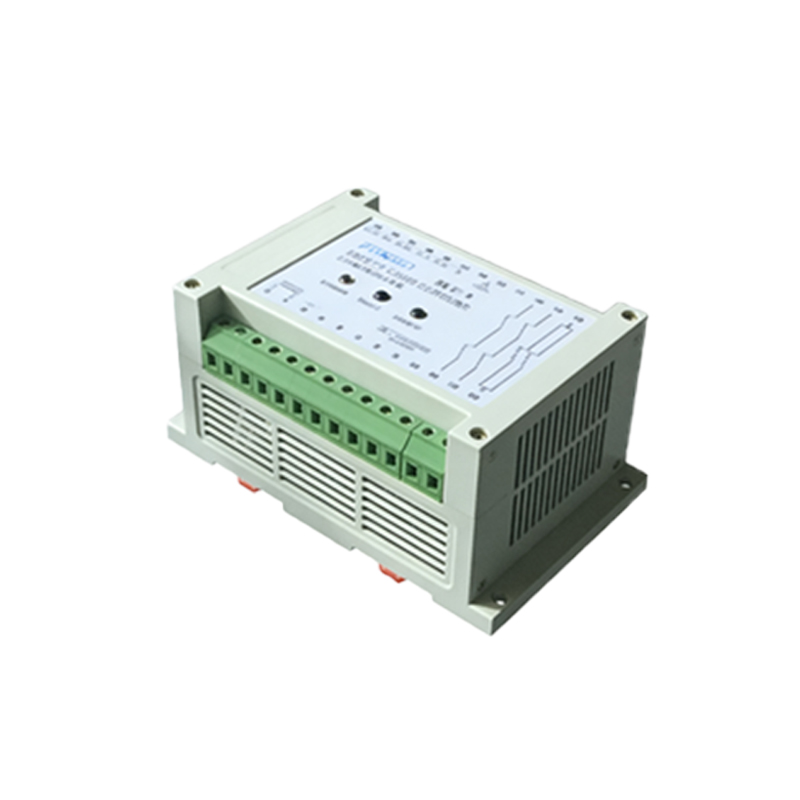
Common Applications Visualized Through Sensor Images
Images of snap-in photoelectric sensors often depict their deployment in specific industrial environments. For example, a photo might show the sensor mounted on a conveyor belt system for package detection, with the sensing beam clearly illustrated using a dashed line. Another common visual is the sensor installed in a packaging machine, detecting bottle or carton presence. These application shots help engineers understand the sensor’s working distance, ambient light tolerance, and response time in real-world scenarios. Including such context in product images enhances user confidence and clarifies the sensor’s suitability for automation tasks like counting, positioning, or safety interlocks.
How to Interpret Technical Details from Sensor Imagery
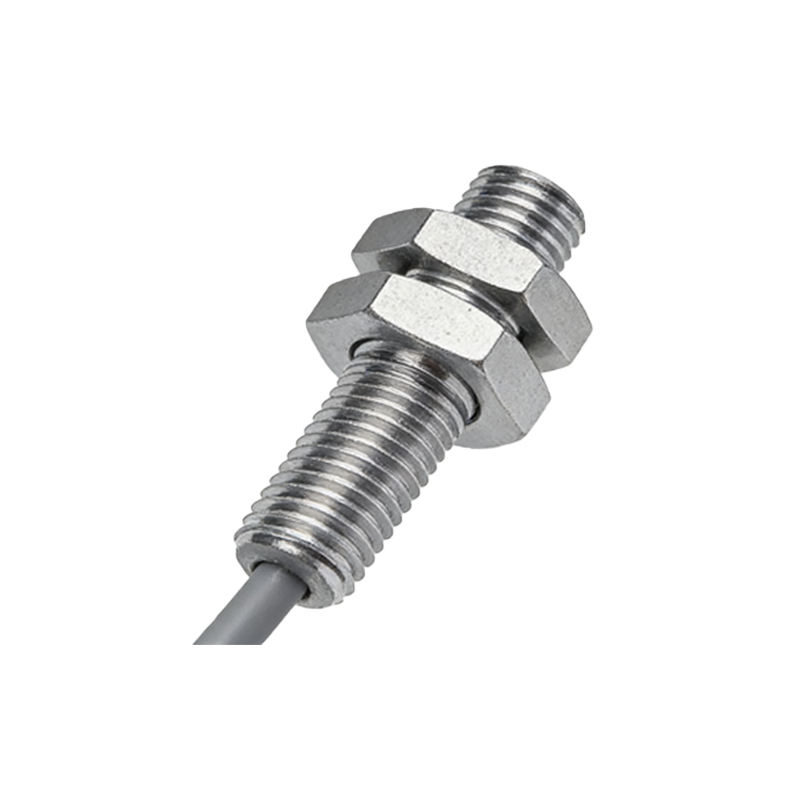
Engineers can extract valuable technical data from high-resolution images of snap-in photoelectric sensors. The lens type (e.g., convergent, divergent) is often visible as a circular or rectangular element, indicating the beam shape. The mounting orientation (horizontal or vertical) is clear from the sensor’s body alignment in the photo. Additionally, the cable or connector type (e.g., M8, M12) can be identified, along with the degree of ingress protection (IP rating) suggested by the housing material and sealing gaskets. Pay attention to the presence of mounting accessories like brackets or nuts, which are often included in the image to show complete installation readiness.
Best Practices for Capturing and Using Sensor Images
To maximize the utility of snap-in photoelectric sensor images, follow these guidelines. Use macro photography for detailed close-ups of the sensing face and snap-in mechanism. Ensure consistent lighting to avoid glare on the optical window, which can obscure critical features. Include multiple angles: front, side, and isometric views. For online catalogs, compress images without losing resolution to balance load speed and quality. Always provide a clear, descriptive file name such as “snap-in-photoelectric-sensor-model-123-retroreflective.jpg” to improve search engine discoverability. Avoid cluttered backgrounds and use scale indicators for accurate size perception.
Conclusion: Leveraging Visuals for Better Sensor Selection
In summary, high-quality images of snap-in photoelectric sensors are indispensable tools for electrical engineers. They facilitate rapid model identification, installation planning, and application verification. By focusing on key visual elements like the snap mechanism, optical path, and mounting details, professionals can make informed decisions. When combined with technical datasheets, these images create a comprehensive resource for automation projects. Always prioritize clear, well-lit, and context-rich visuals to enhance both user experience and SEO performance.