Introduction to Photoelectric Sensors in Modern Industry
Photoelectric sensors are critical components in automation systems, widely used in Zengcheng's growing manufacturing and logistics sectors. These non-contact devices detect the presence, absence, or distance of objects using light beams, offering high reliability in harsh environments. They are essential for tasks such as object counting, positioning, and safety monitoring. Understanding the main types is key to selecting the right sensor for specific industrial needs.
Through-Beam Sensors: High Reliability for Long-Range Detection
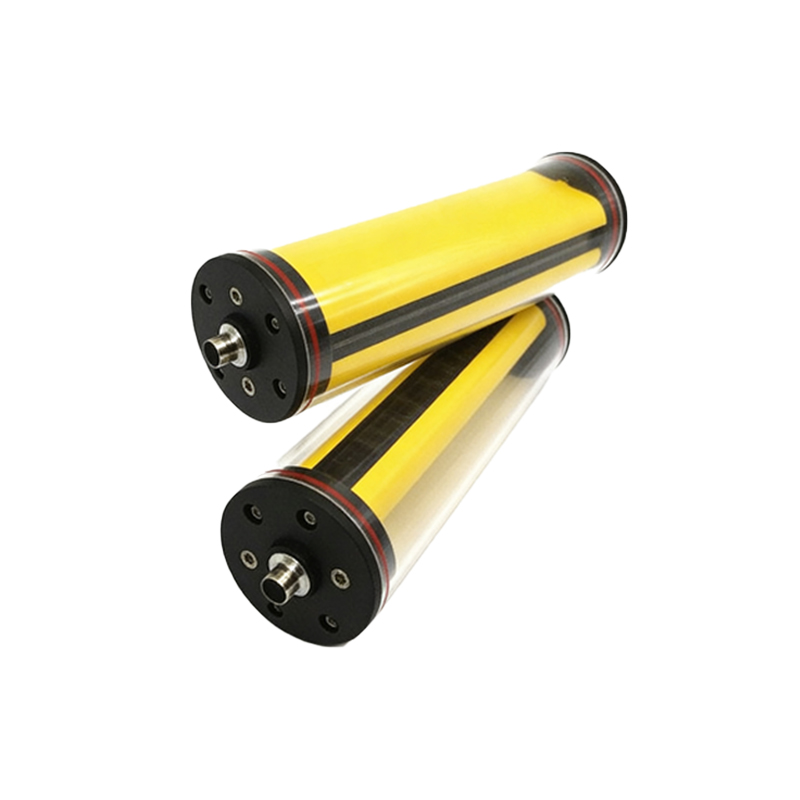
Through-beam sensors consist of a separate emitter and receiver, aligned opposite each other. They create a light beam that is interrupted when an object passes between them. This design provides the longest sensing range, often exceeding 30 meters, and the highest immunity to contamination like dust or fog. In Zengcheng's automotive assembly lines, these sensors excel for precise part detection over large distances. However, installation requires two devices and precise alignment.
Retro-Reflective Sensors: Cost-Effective for Medium Ranges
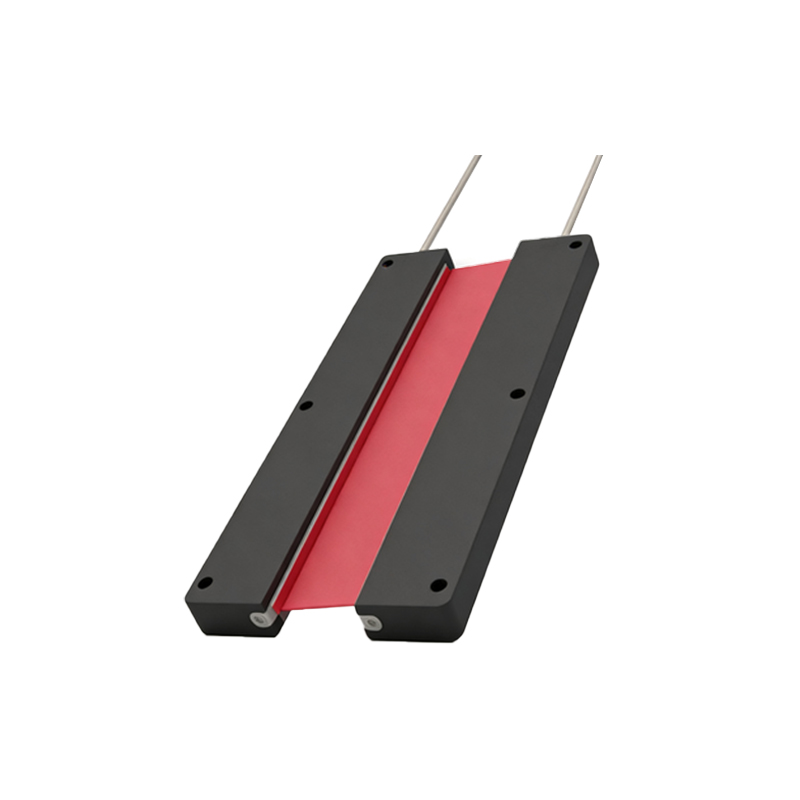
Retro-reflective sensors house both the emitter and receiver in a single unit, using a reflector to bounce the light back. The sensor detects an object when the beam is broken. These are ideal for medium-range applications, typically up to 10 meters, and are simpler to install than through-beam types. In Zengcheng's packaging industry, retro-reflective sensors are common for detecting transparent or shiny objects, such as glass bottles, when using polarized light to avoid false readings.
Diffuse Sensors: Compact and Versatile for Short Distances
Diffuse sensors combine the emitter and receiver in one housing, detecting objects by the light reflected directly from the target surface. They have a short sensing range, usually under 2 meters, and require the object to have a reflective surface. These sensors are widely used in Zengcheng's material handling systems, such as conveyor belts for detecting cardboard boxes or plastic containers. Their compact size allows easy integration into tight spaces.
Background Suppression Sensors: Precision in Complex Environments
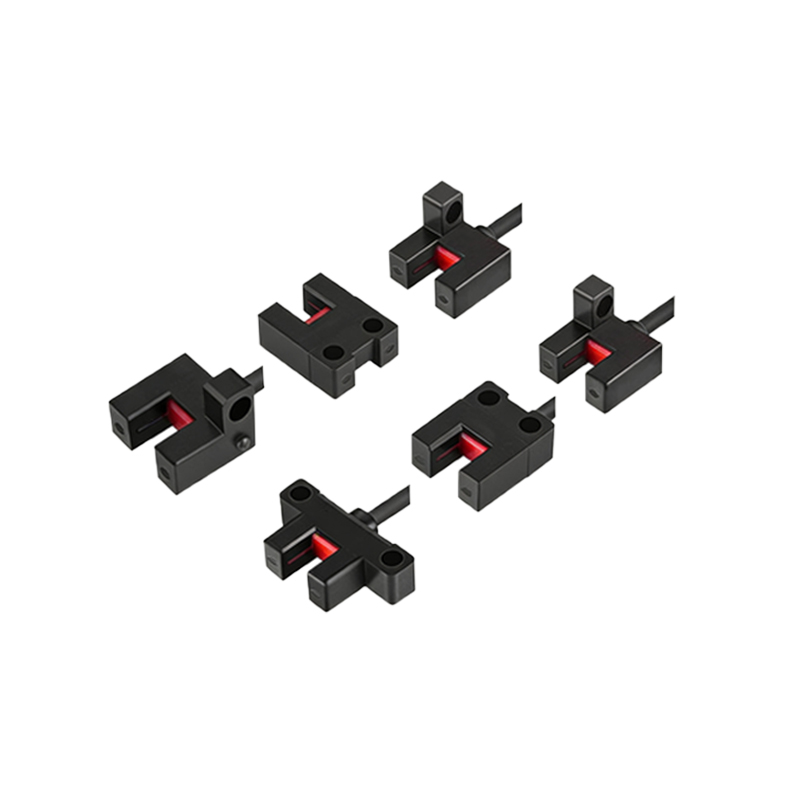
Background suppression sensors are a specialized type of diffuse sensor that uses triangulation to ignore objects beyond a set cutoff distance. They maintain consistent detection regardless of the target's color or reflectivity, making them ideal for applications with varying background conditions. In Zengcheng's electronics manufacturing, these sensors ensure accurate detection of small components on trays, even with shiny backgrounds like metal.
Fiber Optic Sensors: For Extreme Conditions and Small Spaces
Fiber optic sensors use flexible fiber cables to transmit light to and from a remote sensing head. This design allows operation in extreme temperatures, high vibration, or confined spaces where standard sensors cannot fit. In Zengchen's chemical plants and food processing facilities, fiber optic sensors are preferred for their resistance to corrosive environments and ability to detect tiny objects, such as pills or screws.
Choosing the Right Sensor for Your Application
Selection depends on factors like range, object material, environmental conditions, and budget. For long-range, reliable detection in dusty areas, through-beam is best. For medium-range detection of transparent objects, retro-reflective with polarization is effective. For short-range applications in tight spaces, diffuse sensors are suitable. Background suppression is ideal for complex light conditions, while fiber optics serve special environments. Consulting with local suppliers in Zengcheng can ensure optimal integration.