Introduction to Slot-Type Photoelectric Sensors
Slot-type photoelectric sensors, also known as fork sensors, are essential components in modern industrial automation. These sensors feature a U-shaped housing with an emitter and receiver aligned opposite each other within the slot. When an object passes through the gap, it interrupts the light beam, triggering a signal. For board-level integration, these sensors offer compact designs, high precision, and reliable detection for applications like conveyor systems, packaging machinery, and assembly lines. As an electrical engineer, selecting the right board-level variant requires understanding key parameters such as sensing distance, response time, and ambient light immunity.
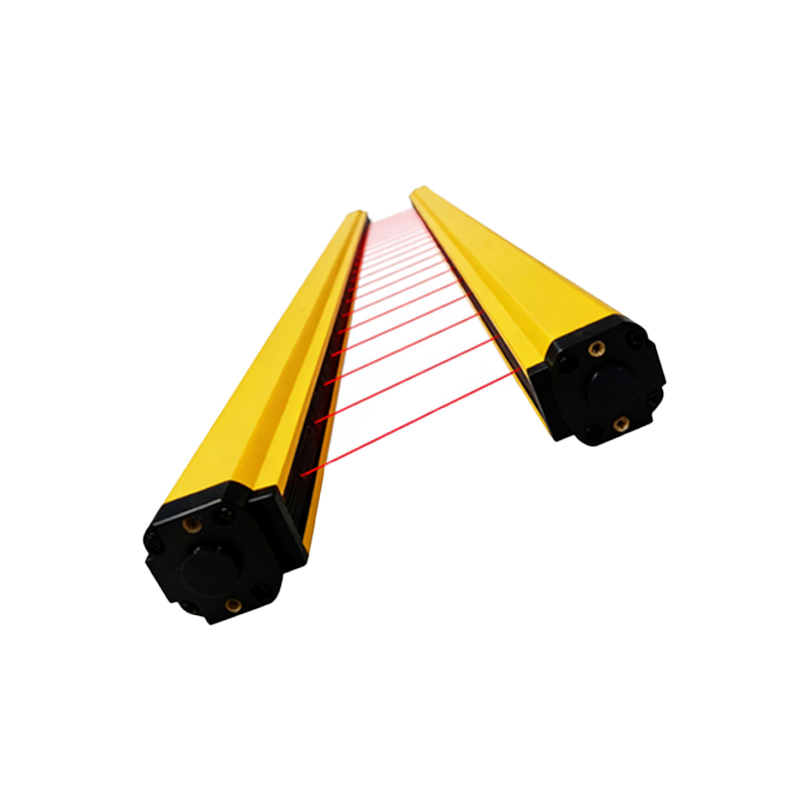
Key Design Considerations for Board-Level Integration
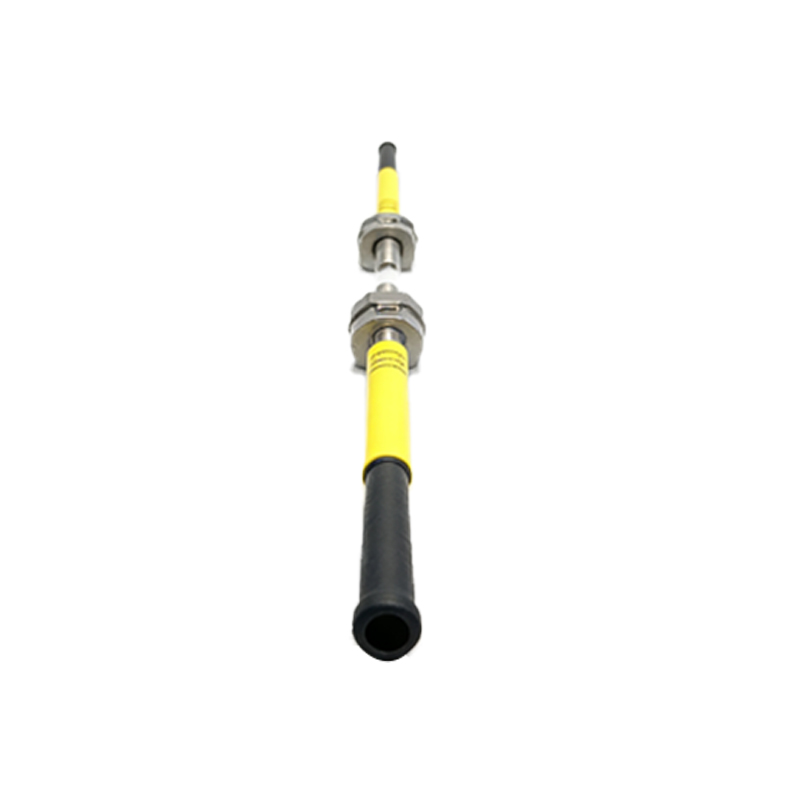
When integrating slot-type sensors onto printed circuit boards (PCBs), engineers must prioritize mechanical stability and electrical compatibility. The sensor’s package should align with standard PCB footprints, often using through-hole or surface-mount technology. Critical factors include supply voltage range (typically 5V to 24V DC), output type (NPN or PNP), and logic level compatibility. For high-speed applications, consider sensors with response times below 1 millisecond to avoid missed detections. Additionally, PCB layout should minimize noise interference by separating sensor traces from high-current paths and using ground planes where possible.
Performance Optimization Techniques
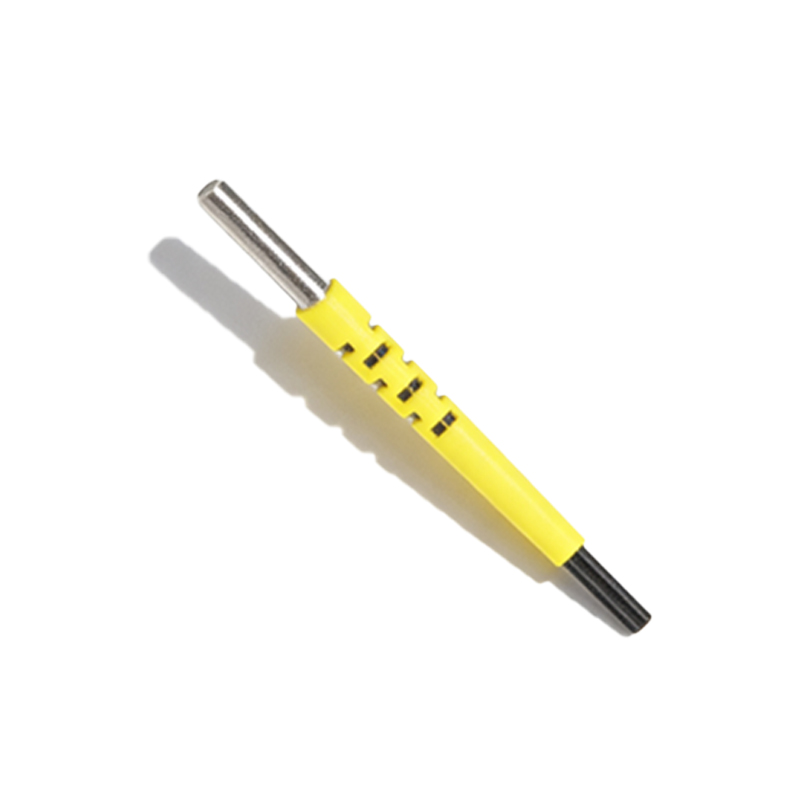
To maximize sensor performance, adjust the slot width and sensitivity based on the target object’s material and size. For transparent or reflective objects, use sensors with modulated infrared light to reduce false triggers. Implement hysteresis in the signal processing to prevent oscillation near the detection threshold. In harsh environments, add protective coatings to the sensor’s PCB components to resist dust, moisture, and vibration. Calibration routines during manufacturing can further enhance accuracy by compensating for LED aging and component tolerances.
Common Applications and Troubleshooting Tips
Board-level slot sensors excel in position sensing for robotic arms, edge detection for paper handling, and speed measurement in motor encoders. Common issues include misalignment of the emitter-receiver pair, which can be corrected by ensuring precise mechanical mounting. If intermittent signals occur, check for electrical noise from nearby motors or relays and add decoupling capacitors near the sensor’s power pins. For long-term reliability, select sensors with built-in reverse polarity and overload protection. Always test prototypes under actual operating conditions to verify performance margins.
Future Trends in Slot Sensor Technology
Advancements in miniaturization and digital communication are driving next-generation board-level slot sensors. Emerging designs incorporate I2C or SPI interfaces for direct data logging and diagnostics. Enhanced optical filters improve resistance to stray light, while integrated microcontrollers allow programmable thresholds. For Industry 4.0 applications, sensors with self-diagnostic capabilities and IoT connectivity are becoming standard. As an engineer, staying updated on these trends ensures your designs remain competitive and scalable.
Conclusion
Board-level slot-type photoelectric sensors offer a robust solution for precise detection in compact systems. By focusing on electrical integration, environmental resilience, and application-specific tuning, engineers can achieve optimal performance. Regular testing and adherence to best practices will minimize downtime and extend sensor lifespan. For further guidance, consult the manufacturer’s datasheets and application notes tailored to your specific industrial setup.