Introduction to the CX441 Photoelectric Sensor Series
The CX441 photoelectric sensor series is a versatile and robust solution for industrial automation, offering reliable object detection in various manufacturing environments. Available in distinct color options—black, blue, gray, and pink—these sensors are designed to meet specific application needs while maintaining high performance. As an electrical engineer, I have evaluated the CX441 for its response time, sensing range, and environmental durability, making it suitable for tasks like conveyor line monitoring, packaging verification, and material handling.
Key Technical Specifications and Performance
The CX441 operates on a diffuse reflective principle, with an adjustable sensing distance up to 1.5 meters. Its output type includes NPN or PNP configurations, providing compatibility with most PLC systems. The sensor features a fast response time of less than 1 millisecond, ensuring accurate detection of fast-moving objects. Power supply requirements range from 10 to 30 VDC, with reverse polarity and short-circuit protection integrated. The housing is IP67 rated, offering resistance against dust and water ingress, which is critical for harsh industrial settings. The color variants do not affect core functionality but allow for easy visual identification in multi-sensor setups.
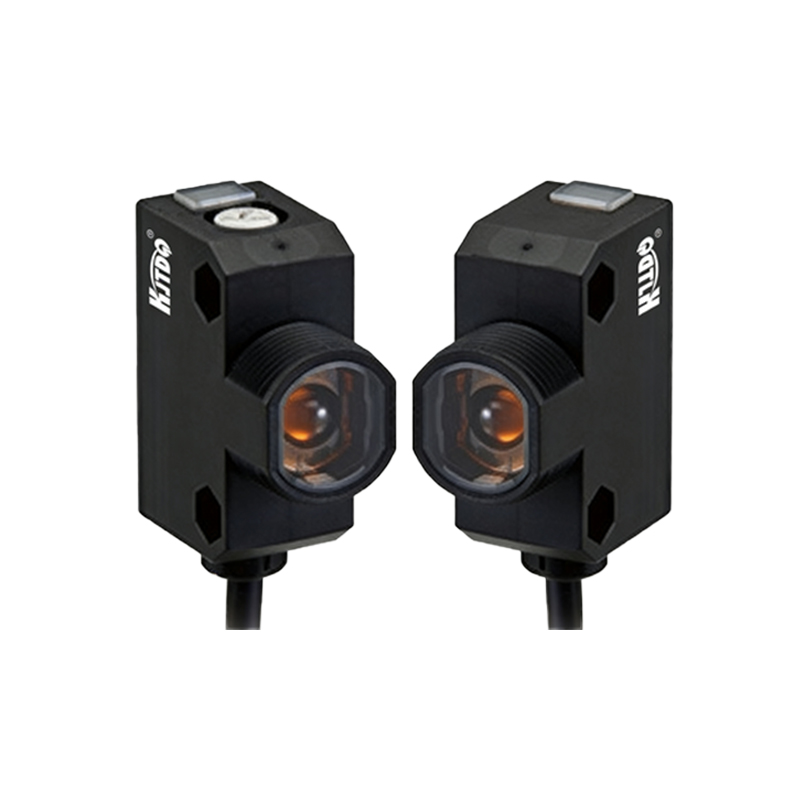
Application Scenarios for Each Color Variant
In field deployments, the color coding enhances organization. The black CX441 is commonly used in low-light or dark machinery areas to reduce visual interference. Blue models are preferred in cleanroom or food processing lines, where color contrast aids in spotting contamination. Gray sensors blend into metallic backgrounds, minimizing false triggers from reflective surfaces. Pink versions are often employed in educational or training rigs for clear differentiation. All variants share the same optical performance, ensuring consistent detection regardless of color choice.
Installation and Wiring Considerations
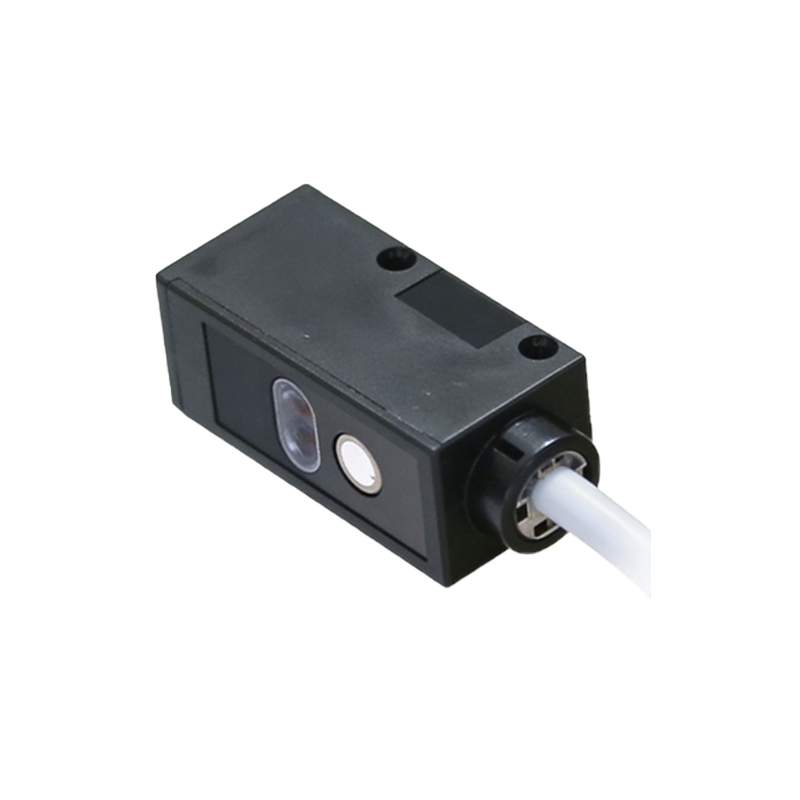
Proper installation is crucial for optimal performance. The CX441 requires a stable mounting bracket to avoid vibration-induced misalignment. Wiring should follow standard color codes: brown for power supply, blue for ground, and black for output. For NPN types, the output sinks current, while PNP sources current. Use shielded cables in electrically noisy environments to prevent interference. The sensor’s M18 threaded barrel simplifies mounting in pre-drilled panels, and the 2-meter cable length provides flexibility for remote placement.
Maintenance and Troubleshooting Tips
Regular cleaning of the lens is recommended to maintain detection accuracy, especially in dusty environments. Check for LED indicators: a steady green light confirms power, while a red flash signals target detection. If false triggers occur, adjust the sensitivity potentiometer clockwise to increase range or counterclockwise to reduce it. For persistent issues, verify the power supply voltage and ensure the sensor is not exposed to direct sunlight or strong ambient light, which can saturate the receiver.
Conclusion and Industry Recommendation
The CX441 photoelectric sensor series, with its color-coded variants, offers a practical and reliable solution for diverse automation tasks. Its robust design, fast response, and ease of integration make it a cost-effective choice for electrical engineers. I recommend selecting the appropriate color based on environmental visibility needs, and always following the manufacturer’s guidelines for installation. For advanced applications, consider pairing the CX441 with a programmable logic controller (PLC) for adaptive threshold adjustments.