Introduction to Photoelectric Sensors in Home Appliances
Photoelectric sensors are pivotal components in modern home appliances, enabling automation, safety, and energy efficiency. These sensors use light to detect objects, presence, or distance, and are widely integrated into devices such as washing machines, refrigerators, ovens, and vacuum cleaners. As an engineer, understanding the specific types and their applications is crucial for reliable design and performance.
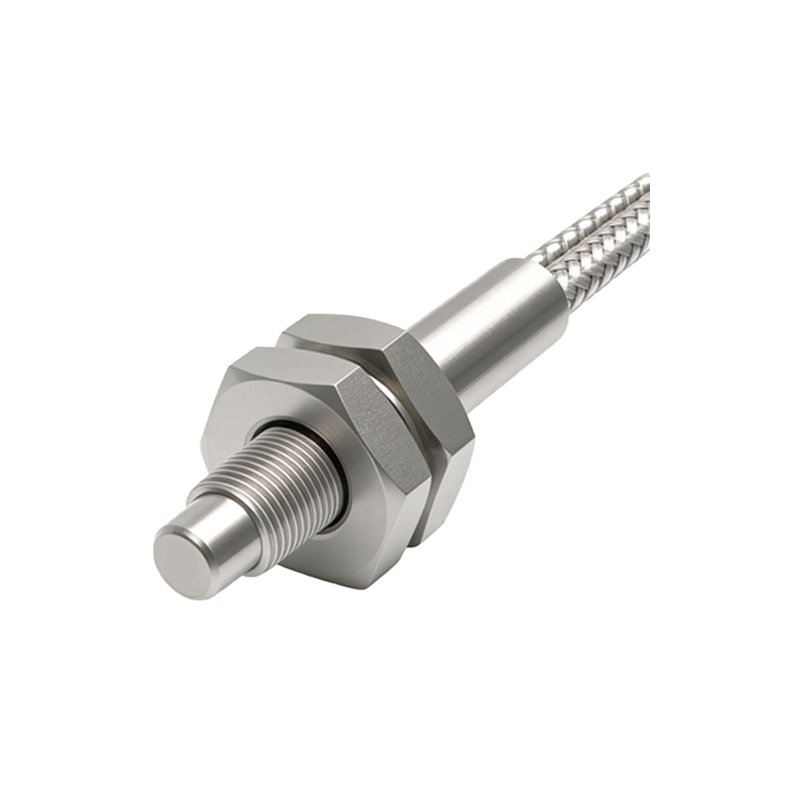
Through-Beam Sensors: Precision and Long-Range Detection
Through-beam sensors consist of a separate emitter and receiver. In home appliances, they are used for precise object detection, such as in automatic doors or dishwashers to detect tray presence. Their advantage is high reliability over longer distances, but they require alignment and can be affected by dust or moisture. For example, in a smart oven, a through-beam sensor verifies the door is closed before heating starts.
Retro-Reflective Sensors: Compact and Simple Integration
Retro-reflective sensors combine emitter and receiver in one unit, using a reflector to bounce light back. These are common in refrigerators to detect door closure or in washing machines to sense drum position. They are easier to install than through-beam types but may have limited range. In a robotic vacuum, retro-reflective sensors help navigate around obstacles by detecting reflective strips on walls.
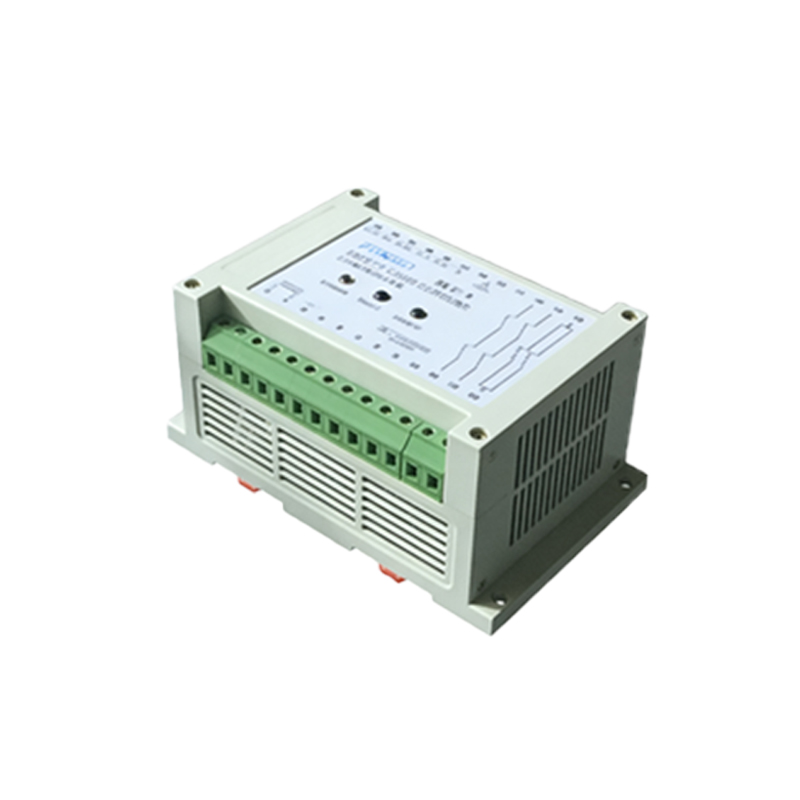
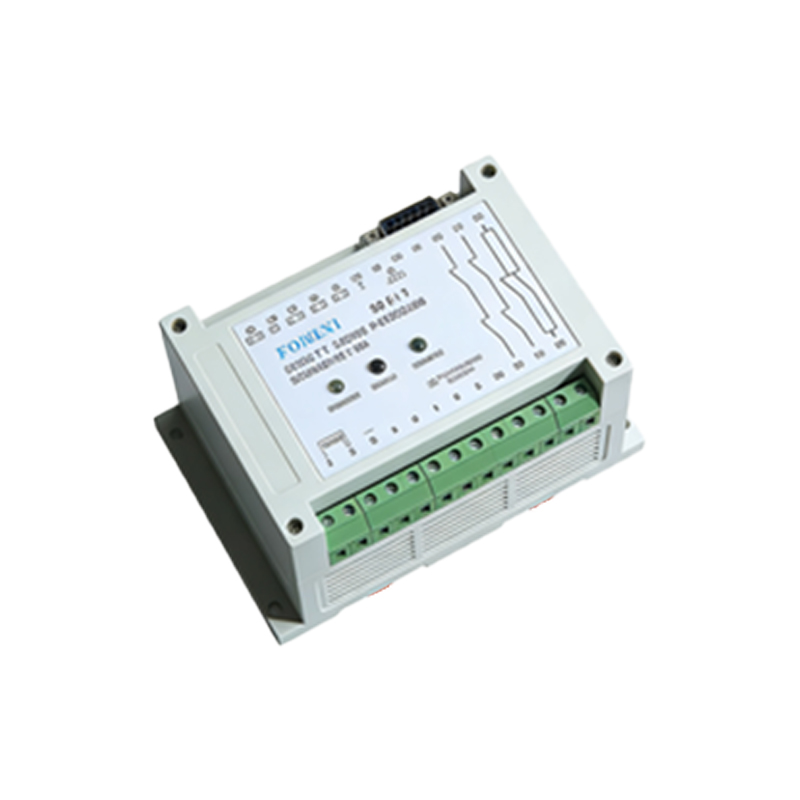
Diffuse Reflective Sensors: Versatile and Cost-Effective
Diffuse reflective sensors detect light reflected directly from the target. They are ideal for applications where object color, shape, or material varies, such as in smart coffee makers to detect cup placement or in air purifiers to sense filter dust accumulation. These sensors are cost-effective but can be influenced by ambient light or surface reflectivity. Engineers often calibrate them for specific home appliance environments.
Fiber Optic Sensors: Flexible and High-Sensitivity
Fiber optic sensors use fiber cables to transmit light, allowing detection in confined or harsh spaces. In home appliances, they are used in microwave ovens for door interlock safety or in water heaters to monitor liquid level. Their high sensitivity and resistance to electromagnetic interference make them ideal for small, intricate designs. However, they require careful installation and are more expensive.
Laser-Based Sensors: High Accuracy for Smart Appliances
Laser photoelectric sensors provide precise distance measurement using focused laser beams. In smart home devices like robotic lawn mowers or automatic pet feeders, they enable accurate object mapping and detection. They excel in high-speed applications but can be cost-prohibitive for basic appliances. For instance, a smart fridge uses laser sensors to track food placement and inventory.
Color and Contrast Sensors: Quality Control in Home Appliances
Color and contrast sensors detect variations in light intensity based on color. They are used in washing machines to distinguish between fabric types or in printers to ensure paper alignment. These sensors enhance user experience by automating settings, but they require stable lighting conditions. In a smart dishwasher, a color sensor identifies dirty dishes and adjusts wash cycles.
Integration Challenges and Best Practices
When selecting photoelectric sensors for home appliances, engineers must consider factors like power consumption, size, and durability. For example, sensors in refrigerators need to withstand condensation, while those in ovens must resist high temperatures. Always use optical filters to reduce ambient light interference and ensure proper mounting for vibration resilience. Testing under real-world conditions is essential for reliability.