1. Introduction to Photoelectric Sensing in Agricultural Machinery
Photoelectric sensors are critical components in modern cotton harvesters, enabling precise detection of cotton flow, density, and machine positioning. Unlike mechanical switches, these sensors use light beams to detect changes in material presence without physical contact, reducing wear and maintenance in dusty, high-vibration environments. For electrical engineers, understanding the underlying principles—from emitter-receiver configurations to signal processing—is essential for optimizing harvester efficiency and reliability.
2. Basic Working Principle: Light Emission and Detection
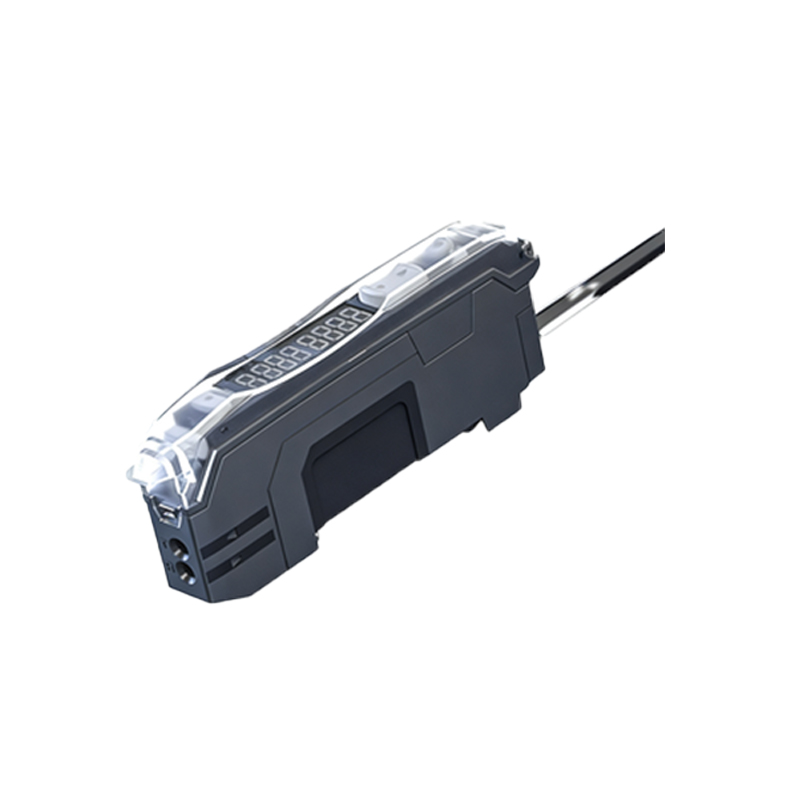
The core principle relies on a modulated light source (typically infrared or visible red LED) and a photodetector (such as a phototransistor or photodiode). In a cotton harvester, the sensor is often configured as a through-beam or retro-reflective type. The emitter sends a pulsed light beam across a gap where cotton material passes. When cotton fibers or seeds interrupt the beam, the photodetector registers a decrease in received light intensity, converting this optical change into an electrical signal. The modulation frequency (e.g., 10 kHz) minimizes interference from ambient sunlight or dust reflections.
3. Key Components: Emitters, Receivers, and Optics
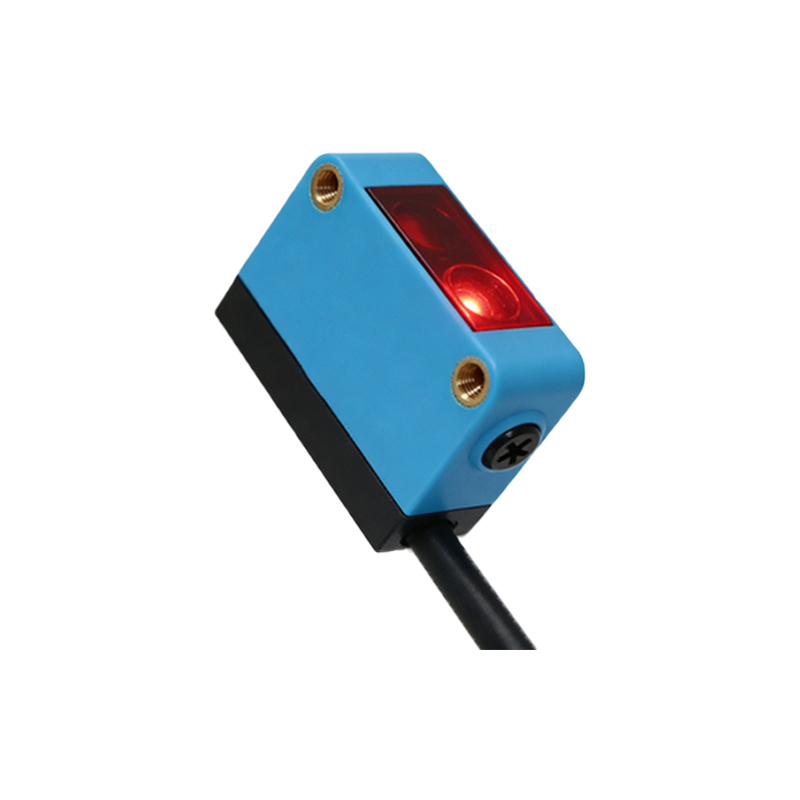
A typical photoelectric sensor for a cotton harvester includes: an LED emitter with a specific wavelength (e.g., 850 nm for IR, which penetrates dust better than visible light); a focusing lens to collimate the beam; a photodetector with a bandpass filter matched to the emitter’s wavelength; and a housing rated IP67 or higher for washdown and dust ingress. The receiver circuit often employs a transimpedance amplifier to convert the photocurrent into a voltage, followed by a comparator for threshold detection. Engineers must calibrate the threshold to account for cotton color variations (white versus green bolls) and humidity effects.
4. Signal Processing: From Analog to Digital Output
Once the photodetector generates an analog signal, it undergoes amplification, filtering, and digitization. A Schmitt trigger circuit eliminates false triggers caused by vibration or transient debris. Modern sensors integrate a microcontroller for adaptive thresholding: the sensor learns the baseline light level when no cotton is present and adjusts the trigger point accordingly. For example, if dust accumulates on the lens, the baseline drops, but the sensor compensates to maintain consistent detection. The final output is a digital NPN or PNP signal (e.g., 24V DC) sent to the harvester’s PLC or control system.
5. Practical Applications in Cotton Harvesting
In a cotton picker, photoelectric sensors monitor: (1) cotton flow in ducts to prevent blockages; (2) moisture content (via light attenuation); (3) position of moving parts such as doffers or cleaning fans. For instance, a through-beam sensor pair placed at the inlet of a basket detects when the basket is full by measuring cumulative interruption duration. Another application uses retro-reflective sensors to detect the presence of a module wrap, ensuring automated wrapping systems activate only when needed. These sensors must operate reliably in temperatures from -20°C to 60°C and withstand 10 g vibration.
6. Common Challenges and Engineering Solutions
Dust and cotton lint are the primary adversaries. Lint can cling to lenses, causing false signals. Solutions include: (a) using air purge systems that blow compressed air across the lens; (b) selecting sensors with long sensing distances (e.g., 5 m) to reduce lint accumulation; (c) implementing self-cleaning wiper mechanisms. Another challenge is electrical noise from the harvester’s high-current motors. Engineers mitigate this with shielded cables, ferrite beads, and optoisolators in the output stage. Additionally, cascading sensors in a logical AND/OR configuration can reduce false alarms from single-point failures.
7. Future Trends: Smart Sensors and IoT Integration
The next generation of photoelectric sensors in cotton harvesters will feature built-in IoT connectivity, allowing real-time data transmission to cloud platforms for predictive maintenance. Sensors will incorporate machine learning algorithms to distinguish between cotton, trash, and foreign objects based on light absorption signatures. For example, a hyperspectral photodiode array can detect chlorophyll levels in green bolls, enabling selective harvesting. Electrical engineers must also design for lower power consumption (e.g.,<10 mA) and longer lifespan (50,000+ hours) to meet sustainability goals.
8. Conclusion: Engineering Reliability in Harsh Environments
Understanding the principles of photoelectric sensors—from optoelectronic physics to ruggedized design—is fundamental for any electrical engineer working on cotton harvesters. By focusing on modulation techniques, adaptive signal processing, and contaminant-resistant housings, engineers can ensure these sensors deliver accurate, maintenance-free performance for thousands of hours. As automation advances, the integration of smart photoelectric systems will further revolutionize cotton harvesting efficiency.