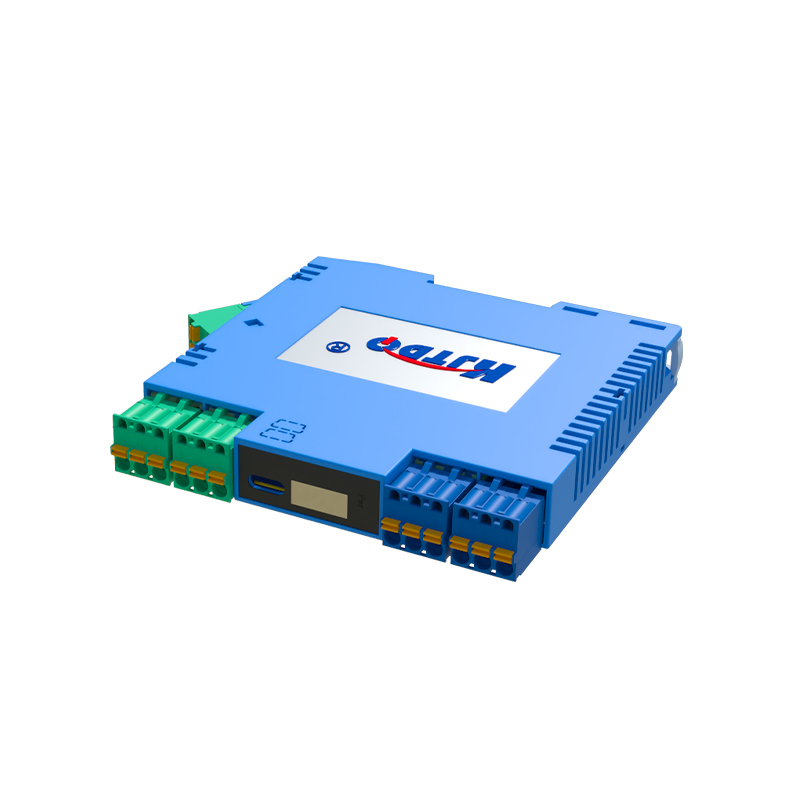
Proximity sensors are a cornerstone of modern automation and interactive technology, operating by detecting the presence or absence of objects within a specific range without physical contact. Their ability to provide reliable, non-invasive sensing makes them indispensable across countless industries. This article explores several prominent examples of proximity sensor technologies and their practical applications, illustrating their transformative role.
One of the most common examples is the Inductive Proximity Sensor. This type is designed to detect metallic objects, typically ferrous metals like iron and steel. It works by generating an electromagnetic field. When a metal object enters this field, it induces eddy currents within the object, which in turn causes a change in the sensor's own oscillation amplitude. This change is detected, signaling the object's presence. Inductive sensors are renowned for their robustness, high switching frequency, and immunity to environmental factors like dust, oil, or dirt. You'll find them extensively on factory assembly lines for tasks like counting metal parts, detecting the position of a machine arm, or ensuring a metal component is in place before a welding operation begins. They are also embedded in modern vehicles to monitor gear position or brake pedal status.
In contrast, Capacitive Proximity Sensors can detect a much wider variety of materials, including metals, plastics, glass, wood, and even liquids or granular substances. They function by generating an electrostatic field. Any object that enters this field alters the capacitance of the sensor's circuit, triggering a detection signal. This versatility makes them perfect for applications where the target is non-metallic. A prime example is in liquid level detection in tanks, whether for water, chemicals, or food products. In packaging machinery, they ensure a plastic bottle is correctly positioned for filling. They are also used in touch-sensitive buttons on consumer appliances and as safety devices to detect the presence of an operator near hazardous machinery.
For applications requiring longer detection ranges or the need to sense non-metallic objects from a distance, Ultrasonic Proximity Sensors are the go-to choice. These sensors emit high-frequency sound waves (ultrasound) and measure the time it takes for the echo to return after bouncing off an object. By calculating this "time-of-flight," they can determine both the presence and the distance of the object with high accuracy. This technology powers the parking assist systems in cars, emitting audible "beeps" that increase in frequency as the vehicle nears an obstacle. In industrial settings, they are used for precise distance measurement, controlling the unwind/rewind of material rolls, and detecting transparent objects like glass bottles on a conveyor belt, which optical sensors might miss.
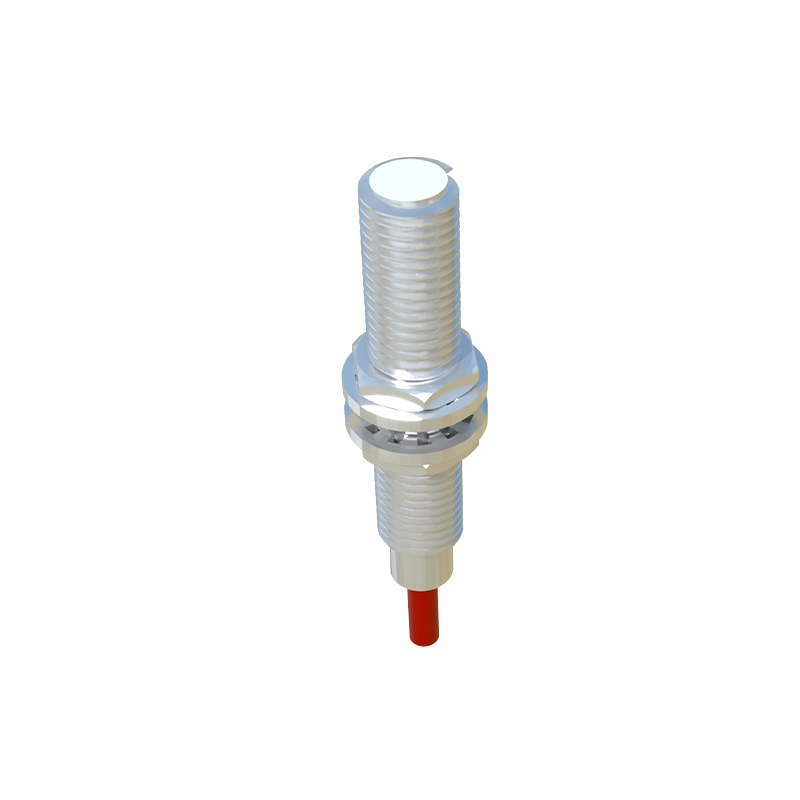
Photoelectric Sensors, or optical proximity sensors, use light beams to detect objects. They consist of a light emitter (usually an LED) and a receiver. When an object interrupts or reflects this light beam, the sensor's output changes. They come in three main types: through-beam (where the object breaks a beam between separate emitter and receiver units), retro-reflective (the object breaks a beam reflected back from a reflector), and diffuse (the sensor detects light reflected directly off the object). These sensors offer very long ranges and can detect extremely small objects. Examples abound: they are the silent operators ensuring your garage door reverses before hitting an obstacle, they count products on high-speed production lines, they verify the presence of a label on a package, and they form the basis of many security alarm systems.
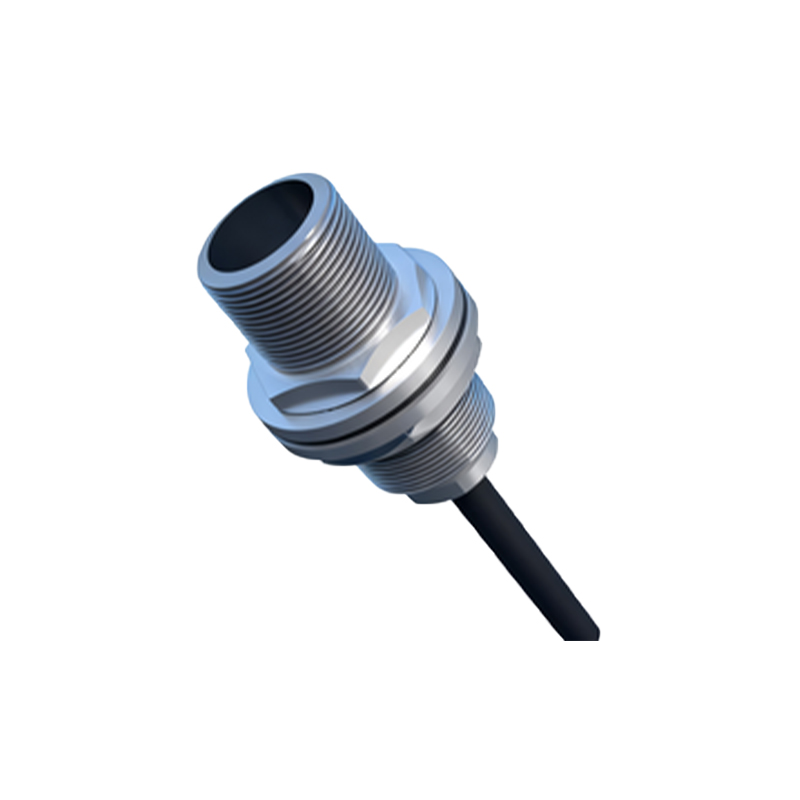
A more specialized example is the Magnetic Proximity Sensor or Reed Switch. It consists of two ferromagnetic reeds sealed in a glass tube. When a permanent magnet approaches, the reeds are magnetized and attract each other, closing the electrical circuit. When the magnet moves away, the reeds spring apart. These are simple, cost-effective, and highly reliable for detecting the open/closed status of doors and windows in security systems. They are also used as limit switches in elevators and in some automotive applications to sense wheel speed for anti-lock braking systems (ABS).
From the factory floor to the family car and the smartphone in your pocket, proximity sensors enable smarter, safer, and more efficient interactions. Inductive sensors handle the harsh metal-world of manufacturing, capacitive sensors manage diverse materials, ultrasonic sensors map distances, photoelectric sensors offer precision and speed, and magnetic sensors provide simple binary detection. Their continued evolution, including miniaturization and integration with IoT networks, promises even more seamless and intelligent automation in our daily lives and industrial processes. Understanding these examples provides a clear window into the invisible sensing layer that powers the modern automated world.