Introduction to Passive Output Photoelectric Sensors
Passive output photoelectric sensors are a critical component in modern industrial automation, offering a reliable and energy-efficient solution for object detection without the need for an external power source for the output signal. Unlike active sensors that require continuous power to generate an output, passive sensors rely on the external circuit to supply the working voltage, typically through a load resistor or a PLC input module. This design reduces power consumption and simplifies wiring in complex systems. In applications where energy conservation is paramount, such as battery-powered devices or hazardous environments, passive output sensors provide a safe and effective alternative.
Working Principle of Passive Output Sensors
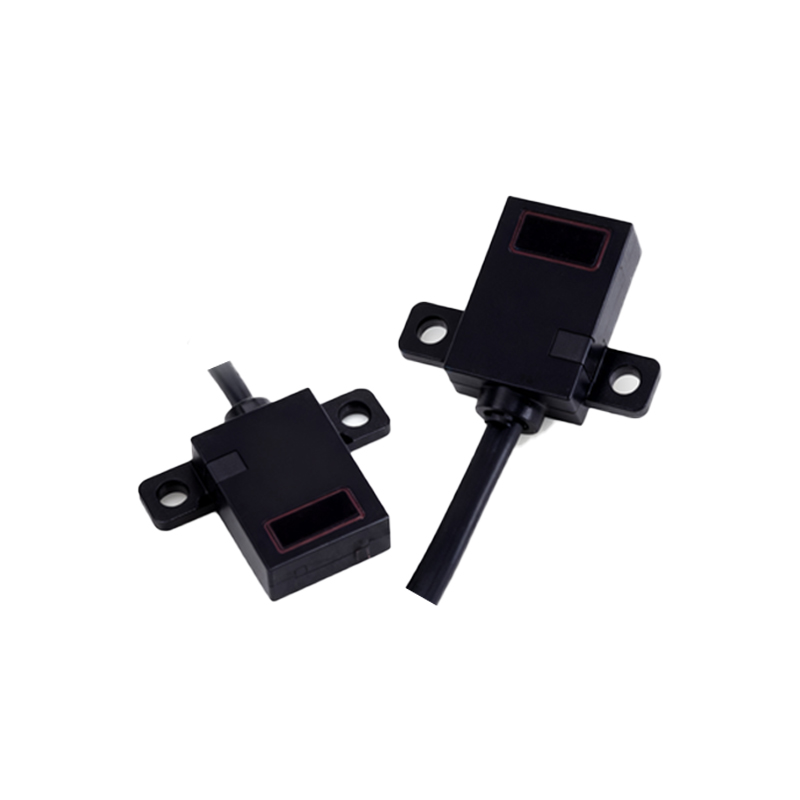
The core mechanism of a passive output photoelectric sensor involves an internal light-sensitive component, such as a phototransistor or photodiode, which changes its electrical characteristics when exposed to light. In the absence of a target, the sensor's output remains in a high-impedance state or open-collector configuration. When the light beam is interrupted or reflected by an object, the sensor switches to a low-impedance state, allowing current to flow through the external circuit. This change in state is detected by the connected control system, triggering actions like stopping a conveyor belt or counting products. The passive nature ensures that no internal power source is needed for signal generation, enhancing system reliability.
Types and Configurations
Common types of passive output photoelectric sensors include through-beam, retro-reflective, and diffuse reflection models. In through-beam configurations, the emitter and receiver are separate, with the receiver acting as the passive component. Retro-reflective sensors use a reflector to bounce the light back to the receiver, while diffuse sensors detect light reflected directly from the target. Each type has unique advantages: through-beam offers the longest detection range, retro-reflective is ideal for medium distances, and diffuse sensors are compact for short-range detection. The output is typically NPN or PNP open-collector, which interfaces seamlessly with industrial controllers.
Key Advantages in Industrial Settings
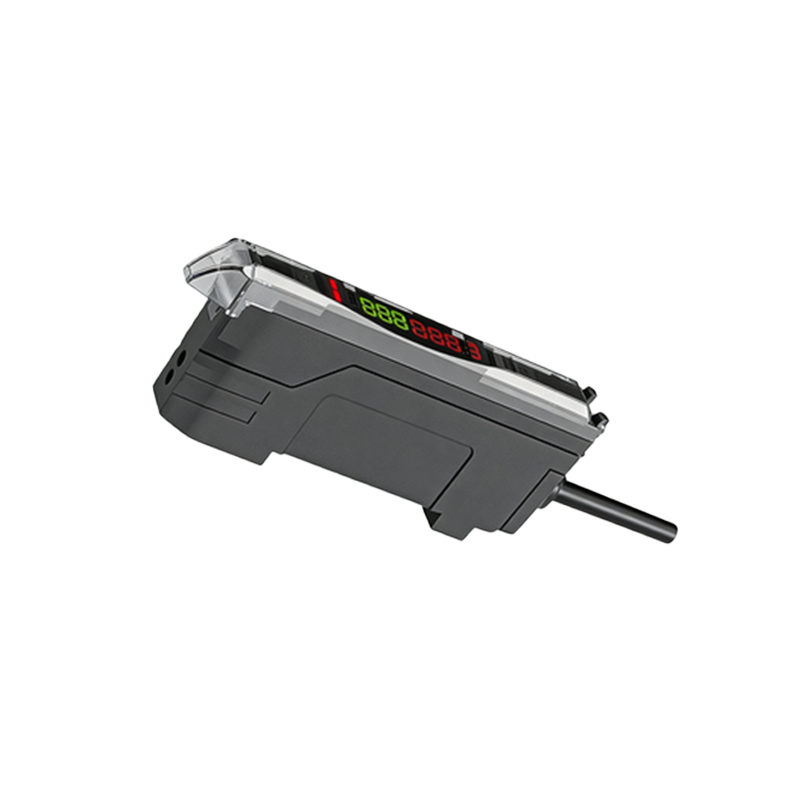
These sensors excel in environments where electrical noise is a concern, as the passive output minimizes interference. Their low power draw makes them suitable for continuous operation in large-scale manufacturing lines. Additionally, the open-collector design allows for easy integration with various logic levels, from 5V to 24V DC systems. Maintenance is simplified due to fewer active components, and the sensors can operate in temperatures ranging from -25°C to 70°C. Industries such as packaging, material handling, and automotive assembly benefit from their robustness and cost-effectiveness.
Installation and Wiring Considerations
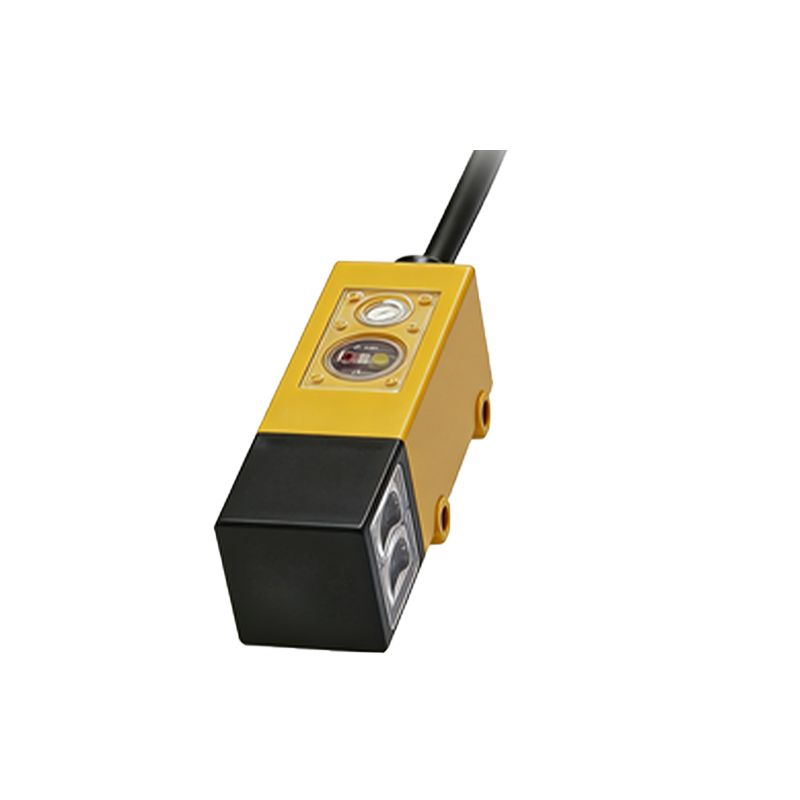
Proper installation is key to maximizing sensor performance. The passive output requires a pull-up or pull-down resistor in the external circuit to define the logic state when the sensor is idle. For NPN outputs, the load is connected between the output and the positive supply; for PNP, it is between the output and ground. Ensure the wiring distance does not exceed the sensor's specified cable length to avoid voltage drops. Shielded cables are recommended in high-noise environments. Always verify the sensor's response time, typically in the range of 1-5 milliseconds, to match the application's speed requirements.
Troubleshooting Common Issues
Common problems include false triggering due to ambient light, misalignment of the optical path, or contamination on the lens. For passive output sensors, check the external load resistance first, as an incorrect value can cause unstable switching. Use a multimeter to measure the voltage across the output in both states. If the sensor fails to switch, inspect the LED indicator (if present) and verify the supply voltage. Cleaning the optical surfaces with isopropyl alcohol often resolves sensitivity issues. In harsh environments, consider using sensors with IP67 ratings for dust and moisture protection.
Future Trends and Conclusion
As Industry 4.0 advances, passive output photoelectric sensors are evolving with integrated IoT capabilities, allowing for remote diagnostics and predictive maintenance. New materials, such as silicon carbide photodetectors, are enhancing performance in extreme temperatures. The trend toward miniaturization is enabling their use in robotics and medical devices. By understanding their operation and applications, engineers can leverage these sensors to improve efficiency and reliability in automation systems. Ultimately, the passive output design remains a cornerstone of cost-sensitive and energy-aware industrial solutions.