Introduction to Zhuji’s Photoelectric Sensor Industry
As a seasoned electrical engineer, I have closely observed the rapid evolution of sensor technology in China. Zhuji, a city in Zhejiang Province, has emerged as a significant hub for photoelectric sensor manufacturing. These enterprises specialize in producing high-precision sensors that convert light signals into electrical outputs, serving critical roles in automation, industrial robotics, and safety systems. The local ecosystem combines advanced manufacturing techniques with cost-effective production, making Zhuji a key player in the global supply chain.
Core Technologies and Product Portfolio
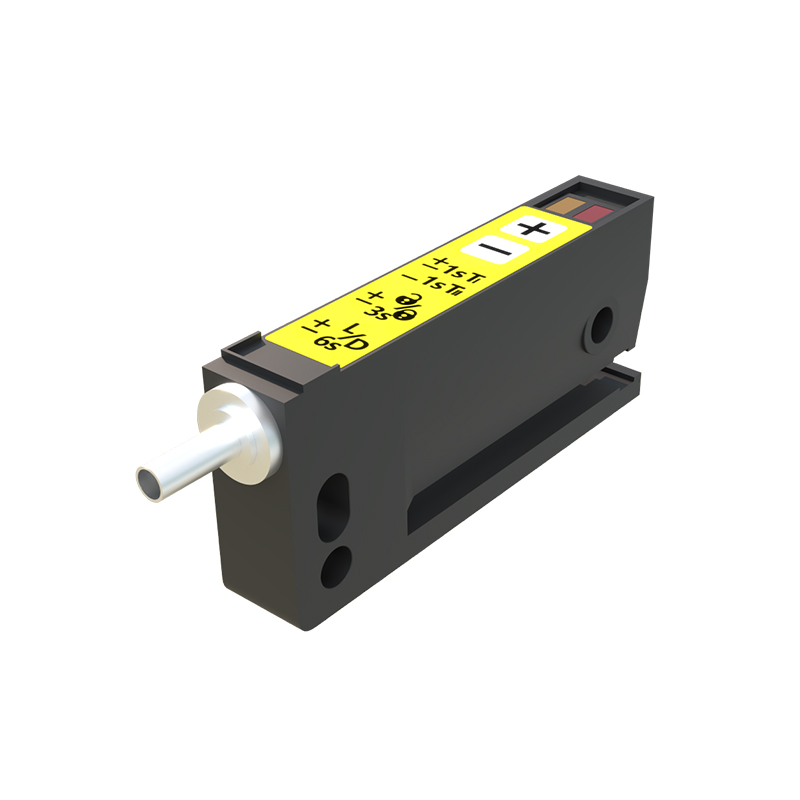
Zhuji-based companies focus on three primary sensor types: through-beam, retro-reflective, and diffuse reflective sensors. They leverage solid-state components like photodiodes and infrared LEDs to achieve response times under 1 millisecond. Many factories have adopted surface-mount technology (SMT) for compact designs, supporting both analog and digital outputs (e.g., PNP/NPN). For instance, local brand OMRON-style clones offer IP67-rated enclosures, ensuring reliability in dusty or wet environments. These products are widely used in conveyor belt systems for object detection and positioning.
Quality Control and Testing Standards
To meet international benchmarks, Zhuji manufacturers adhere to ISO 9001 and CE certifications. In my visits to local facilities, I observed rigorous testing procedures: each sensor undergoes thermal cycling (-25°C to +70°C) and vibration tests (10-2000 Hz). Optical alignment is verified using automated laser calibration rigs, ensuring consistent detection distances up to 20 meters for through-beam models. Such quality assurance minimizes false triggers, a critical factor in high-speed packaging lines.
Application Cases in Electrical Engineering
In practice, Zhuji photoelectric sensors excel in automated sorting systems for logistics hubs. For example, a local factory integrated diffuse sensors with 0.5 mm repeatability to detect transparent glass bottles on conveyor belts—a common challenge due to light refraction. Additionally, retro-reflective models with polarized filters are deployed in elevator door safety mechanisms, reducing accident risks. These applications highlight how Zhuji sensors solve real-world electrical engineering problems.
Future Trends and Challenges
Looking ahead, Zhuji enterprises are investing in IoT-enabled sensors with Modbus RTU communication, enabling real-time data acquisition for Industry 4.0. However, they face competition from German and Japanese brands in high-speed applications. To stay competitive, local firms are collaborating with universities to develop gallium nitride (GaN) photodetectors, offering faster switching speeds. Engineers should monitor these advancements for cost-efficient upgrades to existing systems.
Conclusion: Engineering Recommendations
For electrical engineers, sourcing from Zhuji photoelectric sensor enterprises offers a balance of performance and economy. I recommend evaluating sensor specifications like sensing distance, ambient light immunity, and output type before integration. Many Zhuji suppliers provide customization services, such as adjusting cable lengths or adding M12 connectors, to suit specific plant layouts. By leveraging these capabilities, projects can achieve robust automation without exceeding budget constraints.