Introduction to Long-Distance Waterproof Photoelectric Sensors
In the realm of industrial automation, the need for reliable and durable sensing solutions is paramount. Long-distance waterproof photoelectric sensors have emerged as a critical component in harsh environments where moisture, dust, and extreme distances pose significant challenges. These sensors use light beams to detect objects without physical contact, operating over extended ranges often exceeding 10 meters. Their waterproof design, typically rated IP67 or higher, ensures functionality in outdoor, washdown, or high-humidity settings, making them ideal for applications in manufacturing, logistics, and water treatment facilities.
Key Features and Technical Specifications
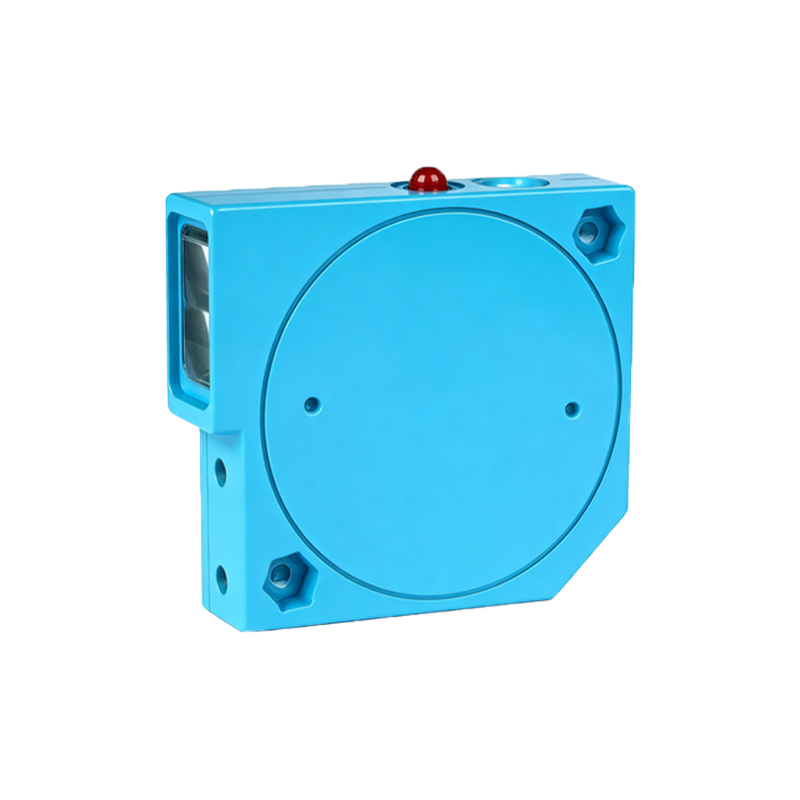
A robust long-distance waterproof photoelectric sensor integrates advanced optics and electronics to maintain performance under adverse conditions. Key features include a high-power infrared or visible red LED source, which enables detection distances from 15 to 30 meters in through-beam configurations. The sensor housing is constructed from corrosion-resistant materials like stainless steel or reinforced polycarbonate, with sealed gaskets and double O-rings to prevent water ingress. Common specifications include a response time of less than 1 millisecond, adjustable sensitivity via potentiometers or digital interfaces, and operating temperature ranges from -25°C to +70°C. For industrial environments, options like background suppression in diffuse sensors or polarization filters in retro-reflective types enhance accuracy.
Operating Principles and Detection Modes
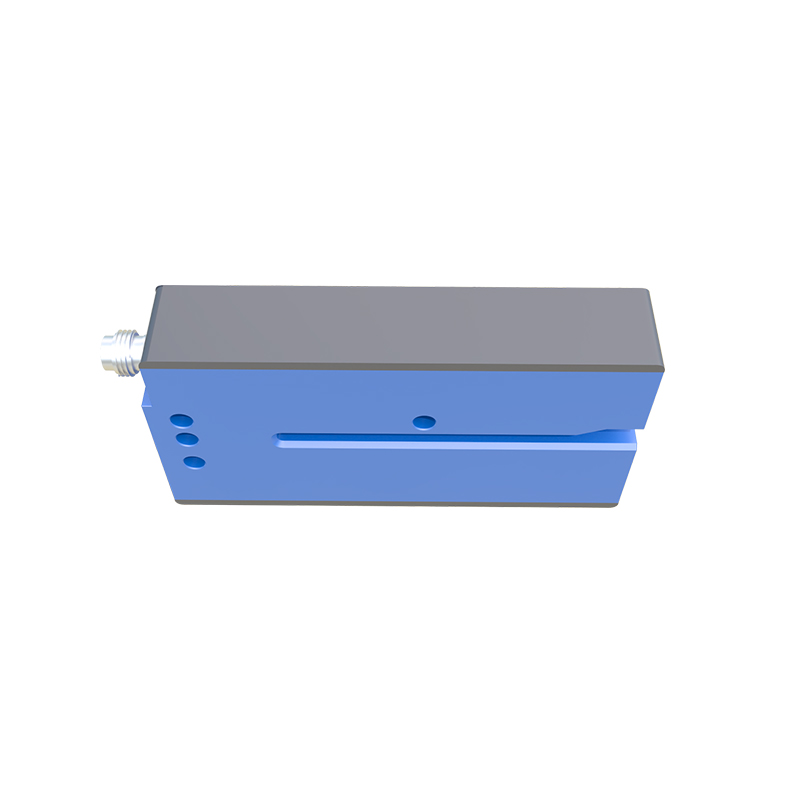
Understanding the operating principles is essential for selecting the right sensor. Through-beam sensors consist of a separate emitter and receiver, offering the longest detection range up to 30 meters. Retro-reflective sensors use a reflector to bounce the beam back to the receiver, providing a compromise between range and installation simplicity, typically up to 15 meters. Diffuse sensors, where the target reflects light directly to the receiver, are suitable for shorter distances, but with high-power models, they can achieve up to 5 meters. Waterproofing ensures that condensation or water droplets on the lens do not refract the beam, maintaining consistent detection.
Installation Considerations for Harsh Environments
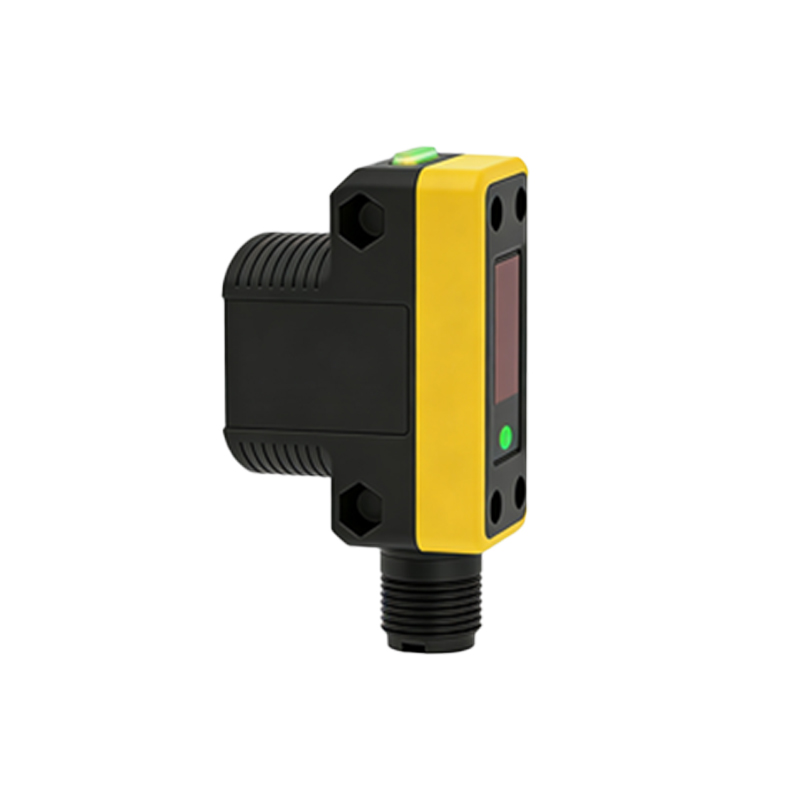
Proper installation is critical for maximizing the lifespan and reliability of these sensors. Mounting brackets should be made of non-corrosive materials and positioned to avoid direct water spray or pooling. Cable entry points require waterproof connectors, such as M12 or M8 with IP69K ratings, to prevent moisture ingress. For outdoor applications, consider using a relay or PLC interface to handle signal noise from lightning or high-voltage lines. Additionally, alignment tools like laser pointers or adjustable mounting clamps facilitate precise setup, especially for through-beam pairs over long distances.
Applications in Industrial Settings
Long-distance waterproof photoelectric sensors are widely deployed in industries requiring robust detection. In automotive manufacturing, they monitor conveyor belt positions in paint shops where high-pressure water jets clean equipment. In logistics, they detect pallet presence in outdoor loading docks subject to rain and snow. Water treatment plants use them to measure liquid levels in tanks or detect sludge buildup. The sensors also excel in food processing, where frequent washdowns with caustic solutions require IP69K-rated models. Their ability to ignore background interference ensures reliable operation in dusty or steamy environments.
Comparison with Other Sensor Technologies
When compared to inductive or capacitive sensors, photoelectric sensors offer longer detection ranges and non-metallic object detection. However, they can be affected by ambient light or fog, though modern sensors incorporate modulated light and narrow-band filters to mitigate this. Ultrasonic sensors are alternatives for liquid level sensing but lack the precision of photoelectric units for small objects. For extreme distances over 30 meters, laser-based sensors provide superior accuracy, but waterproof laser sensors are more costly and require precise alignment. Long-distance waterproof photoelectric sensors strike an optimal balance of range, durability, and cost-effectiveness.
Maintenance and Troubleshooting Tips
Regular maintenance ensures consistent performance. Clean lenses with a soft cloth and isopropyl alcohol to remove dirt or oil films, avoiding abrasive materials. Check seals and gaskets annually for cracks or wear, especially after thermal cycling. Common issues include false triggering due to reflective surfaces or power supply fluctuations; using a regulated DC supply and adjusting sensitivity can resolve these. If the sensor fails to detect, verify alignment and inspect cables for damage. For waterproof models, avoid submerging them beyond rated depths, as prolonged immersion may compromise seals.
Future Trends and Innovations
The evolution of long-distance waterproof photoelectric sensors is driven by Industry 4.0 demands. Smart sensors with integrated IO-Link communication enable real-time diagnostics and parameter adjustments from a central controller. Advances in solid-state optics reduce power consumption, while nano-coatings on lenses repel water and oil, enhancing longevity. Additionally, multi-array photoelectric sensors can detect object position and size simultaneously, expanding their role in robotic guidance. As automation expands into remote and harsh environments, these sensors will continue to be indispensable tools for engineers.