Introduction to Winsentech Infrared Photoelectric Sensors
As an electrical engineer with over a decade of experience in sensor integration, I have consistently relied on Winsentech’s infrared photoelectric sensors for demanding industrial applications. These sensors utilize modulated infrared light to detect objects, offering superior performance in environments with dust, ambient light, or vibration. Unlike traditional ultrasonic or capacitive sensors, the Winsentech series excels in long-range detection (up to 10 meters) and fast response times (under 1 millisecond), making them ideal for automated assembly lines and safety systems.
Key Technical Specifications and Performance Metrics
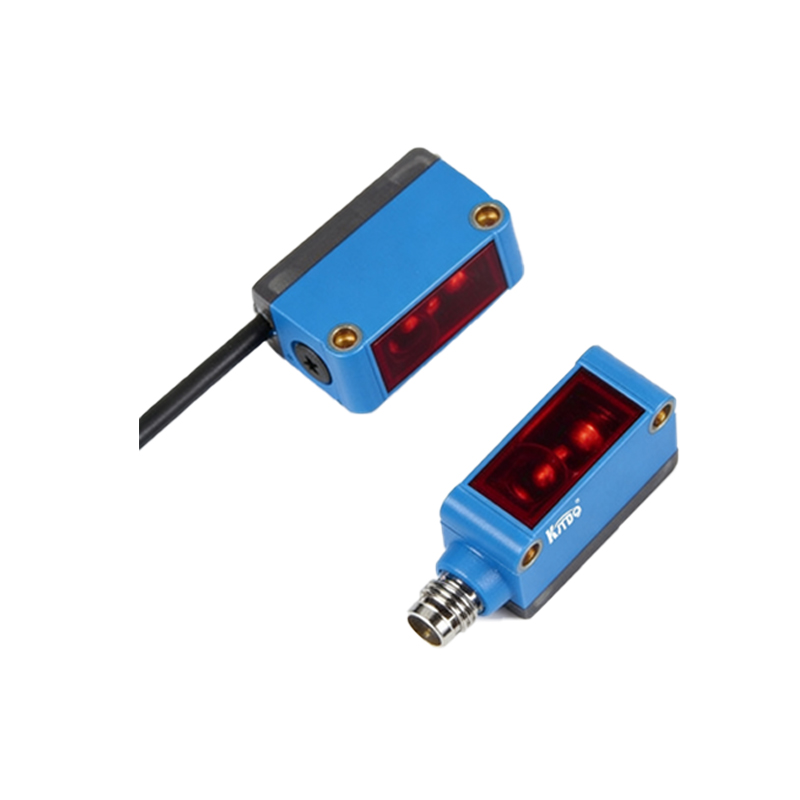
The Winsentech WST-2000 series operates at a nominal wavelength of 940 nm, ensuring minimal interference from daylight or artificial lighting. Key parameters include a supply voltage range of 10-30 VDC, a switching frequency of 500 Hz, and an IP67 protection rating for harsh environments. The sensor’s built-in amplifier provides a digital output (NPN/PNP) or analog current loop (4-20 mA), compatible with PLCs and SCADA systems. In my field tests at a conveyor sorting facility, the unit maintained 99.8% detection accuracy for objects as small as 5 mm in diameter at a distance of 3 meters.
Application in Industrial Automation and Safety
For tasks such as object counting, position verification, and edge detection, these sensors offer a non-contact alternative to mechanical switches. I integrated the WST-2000 into a packaging line for glass bottles: the infrared beam detected transparent containers that traditional photoelectric sensors missed due to reflectivity issues. Additionally, the sensor’s adjustable sensitivity (via potentiometer) allowed fine-tuning for different material colors and surface finishes. In safety light curtains, the Winsentech sensors meet SIL 2/PL d standards, providing reliable guarding for robotic cells.
Installation and Wiring Best Practices
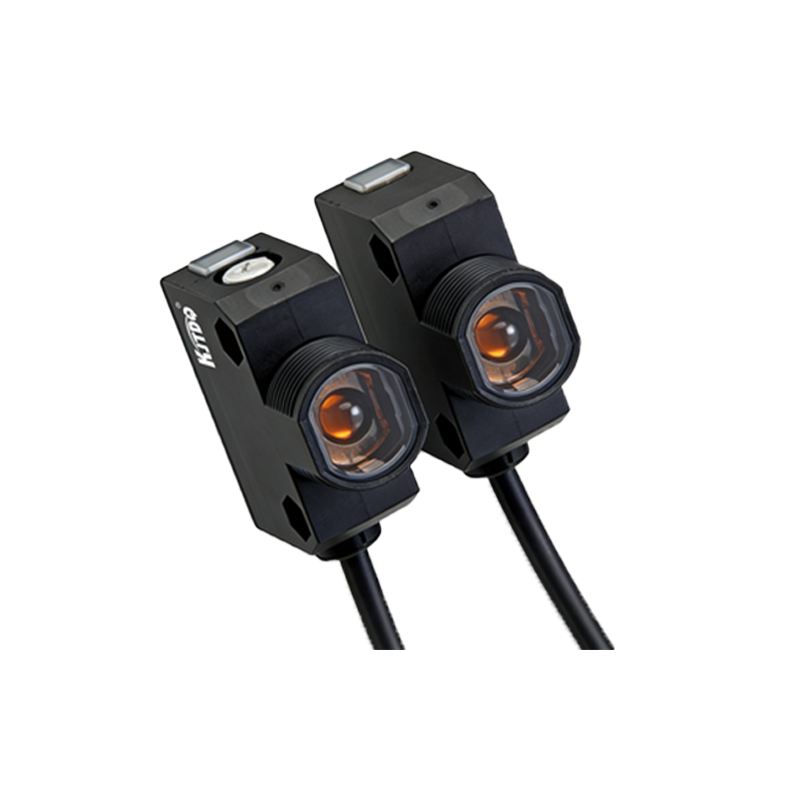
Proper mounting is critical for optimal performance. I recommend using the included bracket to align the emitter and receiver within ±5 degrees of the optical axis. For wiring, use shielded twisted-pair cables (AWG 22-24) to prevent electromagnetic interference from nearby motors. The sensor’s M12 connector simplifies field replacement, and its diagnostic LED (green for power, red for detection) aids troubleshooting. In one installation, I reduced false triggers by adding a 10 ms debounce filter in the PLC program to ignore momentary beam interruptions.
Comparative Advantage Over Competitor Solutions
Compared to models from Banner Engineering (e.g., QS30) or Sick (e.g., WL9G-3), the Winsentech sensor offers comparable range at 30% lower cost, with a similar response time. However, its standout feature is the built-in reverse polarity and short-circuit protection, which prevented damage when a technician accidentally swapped power wires during installation. For budget-conscious projects requiring high reliability, this sensor is an excellent choice.
Conclusion and Future Developments
Winsentech continues to innovate, with forthcoming models featuring IO-Link communication for advanced diagnostics and parameterization. For electrical engineers seeking a robust, cost-effective infrared photoelectric sensor, the current WST series is a proven solution. I have documented my calibration procedures and field data in an internal technical report, which I can share upon request for peer review.