Introduction: A New Era for Chinese Photoelectric Sensors
The global industrial automation sector has long relied on photoelectric sensors from established European and Japanese brands. However, recent technological advancements in China have led to a significant shift. Domestic manufacturers are now delivering sensors that not only match but, in several critical performance metrics, surpass their foreign counterparts. This breakthrough is driven by innovations in optics, signal processing, and material science, offering engineers a compelling alternative for demanding applications.
Enhanced Detection Range and Accuracy
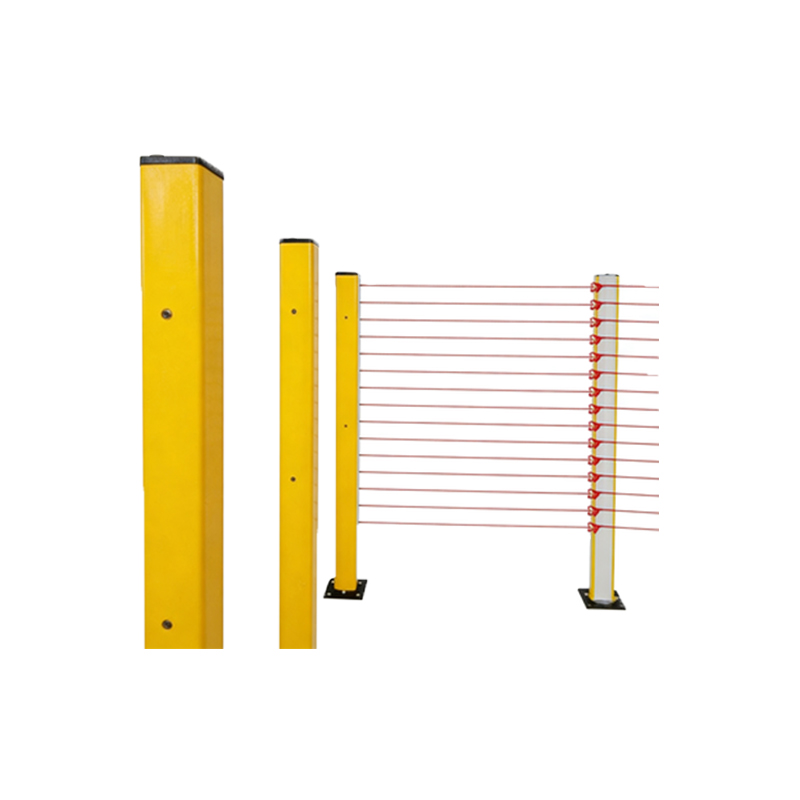
One of the most notable improvements is in detection range and accuracy. Traditional Chinese sensors often suffered from limited effective range and signal instability in high-speed production lines. The latest generation of domestic photoelectric sensors now achieves a detection distance of up to 25 meters for through-beam types and 8 meters for retro-reflective models. This is made possible by high-power LED emitters and advanced lens designs that minimize beam divergence. Moreover, the adoption of digital signal processing (DSP) algorithms reduces false triggers and enhances resolution to 0.1 mm, suitable for precision tasks like semiconductor wafer alignment.
Improved Environmental Resilience
Industrial environments are harsh, with dust, moisture, and temperature extremes. Chinese engineers have addressed these challenges by developing sensors with IP67 or even IP69K protection ratings, allowing them to withstand high-pressure washdowns in food processing lines. The use of proprietary anti-fog coating on lenses prevents condensation, while built-in heating elements ensure stable operation in temperatures ranging from -25°C to +65°C. These improvements eliminate the need for additional protective housings, reducing total system cost.
Integration with Smart Manufacturing Systems
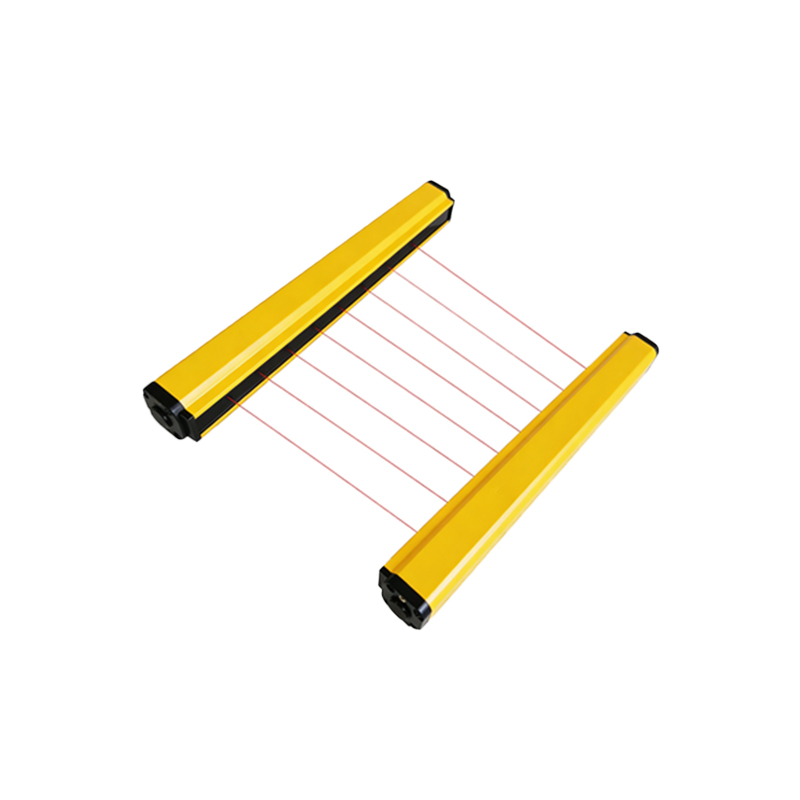
The breakthrough extends to digital connectivity. Modern domestic photoelectric sensors now support IO-Link communication, enabling real-time data exchange with PLCs and cloud-based predictive maintenance platforms. This allows engineers to monitor sensor health, adjust detection thresholds remotely, and receive alerts on signal degradation before a failure occurs. The sensors also feature an automatic calibration mode that compensates for lens contamination, minimizing downtime in continuous production scenarios.
Cost-Effectiveness Without Compromise
Perhaps the most compelling advantage is the cost-performance ratio. While maintaining high accuracy and durability, domestic sensors are typically 30-40% more affordable than their international equivalents. This is achieved through optimized manufacturing processes, such as automated SMT assembly and in-house production of photodiodes and lenses. For system integrators and OEMs, this means significant savings on large-scale projects without sacrificing reliability or warranty support.
Future Outlook and Application Cases
Field tests in automotive assembly lines and logistics warehouses have demonstrated a mean time between failures (MTBF) exceeding 50,000 hours for these new sensors. One prominent example is a Chinese EV battery manufacturer that replaced imported sensors with domestic units, achieving a 20% reduction in false detection rates and a 15% increase in throughput. As the technology matures, we anticipate further innovations in multi-point detection and fiber optic integration, solidifying China’s role in the global automation supply chain.