Understanding the Core Value Proposition of Photoelectric Sensors
As an electrical engineer, selling photoelectric sensors requires a deep understanding of their technical advantages over alternative sensing technologies. These sensors operate by emitting light beams and detecting interruptions or reflections, making them ideal for non-contact object detection in harsh industrial environments. Highlight their precision, speed, and reliability in applications like conveyor belt monitoring, packaging line automation, and robotic guidance. Emphasize that photoelectric sensors can detect transparent, shiny, or irregular objects that inductive or capacitive sensors fail to handle, such as glass bottles or plastic films. Additionally, modern sensors offer various output types (PNP, NPN, IO-Link) and connection options (M8, M12 connectors) to integrate seamlessly with PLCs and industrial networks.
Identifying Key Customer Pain Points and Applications
To effectively market these sensors, target industries with specific challenges. For automotive manufacturing, focus on high-speed detection of metal parts and paint color contrast. In food and beverage sectors, discuss IP69K-rated sensors resistant to washdown environments and corrosive chemicals. For logistics and warehousing, promote long-range diffuse sensors (up to 10 meters) for package height detection and fork lift collision avoidance. Use case studies to demonstrate ROI: a sensor upgrade reducing downtime by 30% in a bottling plant due to fewer false triggers. Always align your pitch with the customer’s need for durability, response time (often under 1 ms), and environmental resilience against dust, ambient light, or vibration.
Demonstrating Technical Specifications and Customization Options
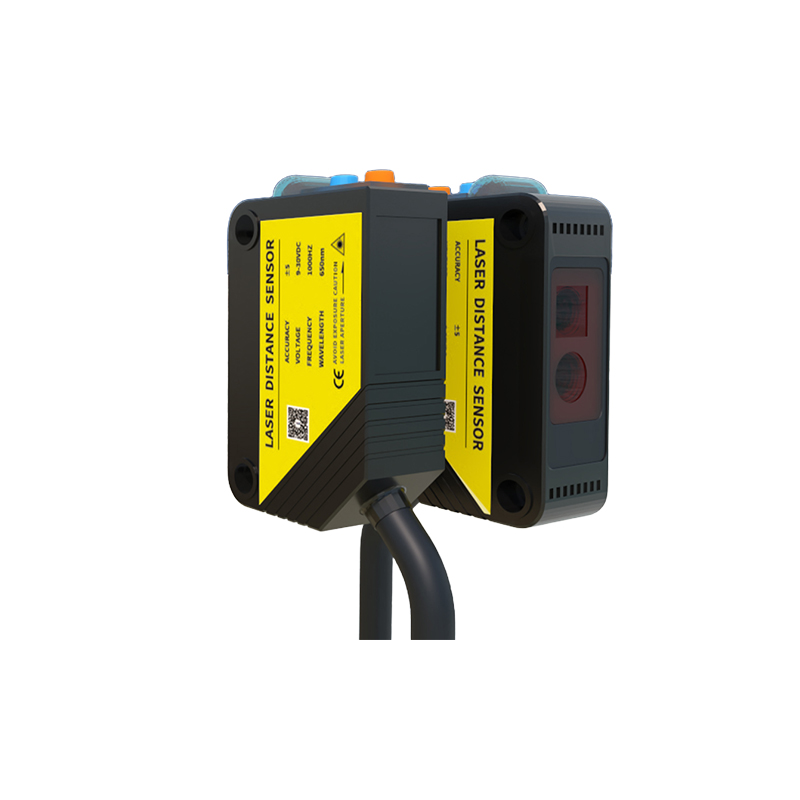
Sell by presenting clear technical data. Discuss sensing modes: through-beam (highest range and stability), retro-reflective (compact with reflector), and diffuse (simple installation). Explain beam types—infrared for cost-effectiveness, visible red for easy alignment, and laser for sub-millimeter precision (e.g., for wafer detection in semiconductor equipment). Mention adjustable potentiometers or teach-in buttons for sensitivity tuning, and IO-Link for remote diagnosis and parameter changes. Provide comparison charts against competitors (e.g., longer lifetime due to solid-state LEDs versus incandescent bulbs). Offer tailored solutions: connectors with pre-wired cables for quick replacement, or right-angle housings for tight spaces.
Building Trust Through Industry Compliance and Certifications
Engineers value reliability and safety. Highlight certifications like CE, UL, and RoHS for global compliance. For explosive environments, promote ATEX or IECEx-rated sensors with intrinsically safe circuits. Mention functional safety levels (SIL2/3) for systems like emergency stops in machinery. Share test reports showing performance under extreme temperatures (-40 to 70°C) or high-pressure washdowns. Provide warranty periods (typically 3-5 years) and fast technical support via phone or remote access. A proven track record in oil and gas or mining sectors can close deals—for example, using retro-reflective sensors to detect drill pipes in dusty conditions.
Closing the Sale with Value-Added Services
End your pitch by offering free technical consultations, sample units for trial, or on-site installation training. Bundle sensors with brackets, reflectors, and cables for a complete solution. Use CRM data to follow up with maintenance reminders or upgrade offers when new models with increased range or energy efficiency launch. Share whitepapers on Industry 4.0 integration: photoelectric sensors as part of a predictive maintenance system using IoT gateways. Finally, simplify procurement by listing part numbers compatible with major brands like SICK, Banner, and Omron, and offering volume discounts for large orders.