Introduction to Laser Photoelectric Sensors
Laser photoelectric sensors represent a cornerstone of modern industrial automation, offering unparalleled precision in object detection and measurement. Unlike traditional infrared sensors, laser-based systems utilize coherent light beams with minimal divergence, enabling accurate detection of small targets at extended distances. These sensors are essential in applications requiring micron-level resolution, such as semiconductor manufacturing, robotics, and quality control lines. Their ability to maintain consistency under varying environmental conditions—including dust, vibration, and ambient light—makes them a preferred choice for engineers seeking reliable performance.
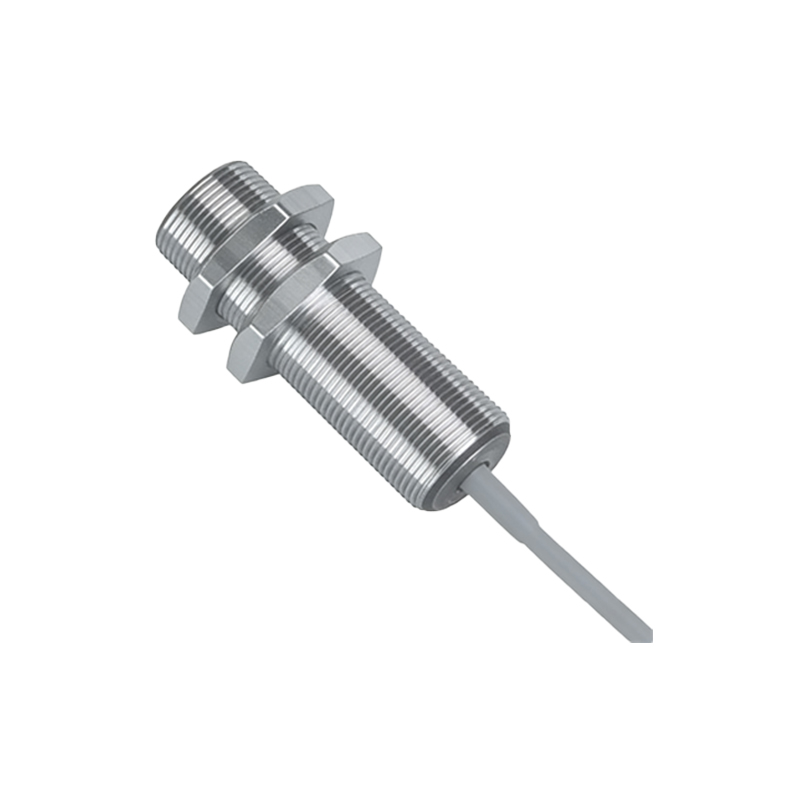
Key Operating Principles and Light Modulation
The high accuracy of laser photoelectric sensors stems from their advanced operating principles. They typically employ a laser diode that emits a focused beam, which is then modulated at high frequencies to filter out external noise. The receiver captures the reflected or interrupted light, analyzing changes in intensity or phase. For instance, in through-beam configurations, the sensor detects the exact moment the beam is broken by an object, achieving repeatability of up to 0.01 mm. Additionally, retro-reflective models use a laser-specific reflector to ensure precise alignment, reducing false triggers common with other light sources.
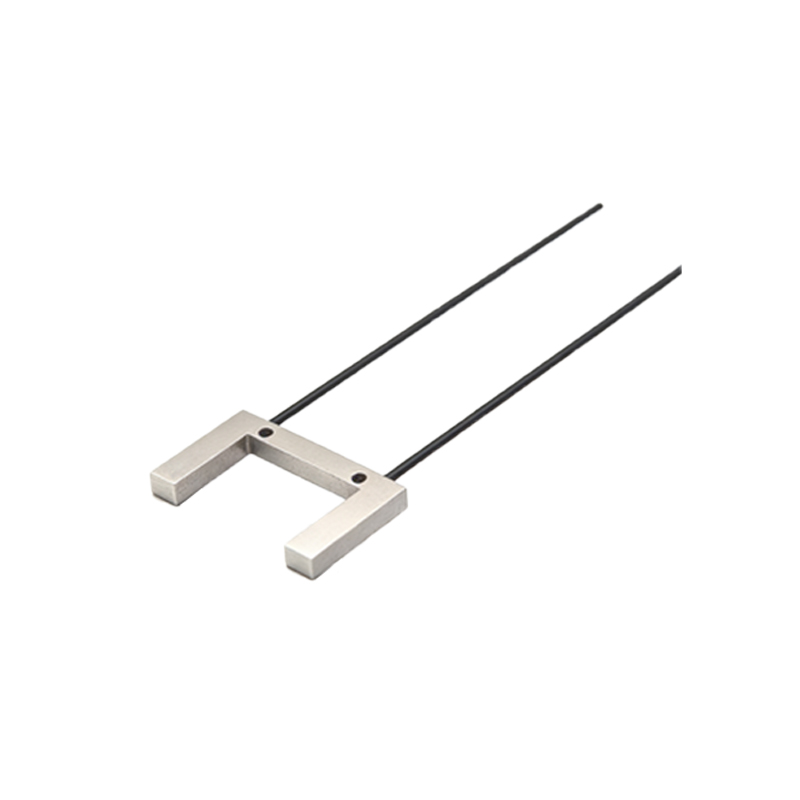
Factors Influencing Precision in Industrial Settings
Several factors contribute to the high precision of laser sensors in industrial environments. First, the narrow beam divergence (often less than 0.1 degree) allows for detection of sub-millimeter objects, such as tiny electronic components. Second, the use of advanced optics, including aspherical lenses and collimators, minimizes beam spread and enhances focal accuracy. Third, digital signal processing (DSP) algorithms filter out electrical noise and compensate for temperature drifts, ensuring stable output even in harsh factory floors. Engineers must also consider the response time—typically in the microsecond range—which is critical for high-speed assembly lines.
Applications Requiring Micron-Level Accuracy
Laser photoelectric sensors excel in precision-critical applications. In PCB manufacturing, they verify the presence of microscopic solder joints and detect misalignments in surface-mount devices. In automotive assembly, they monitor robotic arm positions with sub-millimeter tolerance, ensuring consistent welding and part placement. For pharmaceutical packaging, these sensors count transparent vials or check seal integrity without physical contact. Furthermore, in semiconductor wafer handling, laser sensors provide non-contact edge detection, preventing damage to fragile wafers while maintaining throughput.
Calibration and Maintenance for Optimal Performance
To maintain high precision, regular calibration and maintenance are essential. Engineers should align the sensor and reflector using laser alignment tools to ensure the beam path is perpendicular to the target. Cleaning of optical surfaces with approved solvents prevents dust accumulation that can scatter the beam. Additionally, periodic checks of the sensor’s hysteresis and switching thresholds help avoid drift over time. Many modern laser sensors offer self-diagnostic features, such as automatic gain control, which adjust sensitivity based on changing conditions like lens smudging or target reflectivity variations.
Comparison with Other Photoelectric Technologies
When comparing laser sensors to LED-based or fiber optic alternatives, laser technology provides superior precision for small-object detection. LED sensors have a broader beam spread, making them suitable for general-purpose applications but less effective for targets below 1 mm. Fiber optic sensors offer flexibility in confined spaces but may suffer from signal loss over long distances. Laser sensors bridge this gap by combining focused beam energy with long-range capability (up to 100 meters in some models). However, they require careful handling to avoid eye safety issues, necessitating proper enclosure in Class 1 laser systems for industrial use.
Future Trends and Integration with Industry 4.0
The evolution of laser photoelectric sensors is closely tied to Industry 4.0 initiatives. Newer models now integrate IO-Link communication, enabling real-time data logging and remote parameter adjustments. Smart sensors with built-in Ethernet interfaces allow direct connection to PLCs and cloud-based analytics platforms, facilitating predictive maintenance. Emerging technologies like time-of-flight (ToF) laser sensors further enhance precision by measuring distance directly, rather than relying on intensity thresholds. As automation demands grow, laser sensors will continue to push the boundaries of accuracy, supporting applications from micro-assembly to autonomous vehicle guidance.
Conclusion and Practical Recommendations
Laser photoelectric sensors are indispensable tools for achieving high precision in industrial automation. For engineers, selecting the right sensor involves evaluating beam divergence, response time, and environmental resilience. Pairing these sensors with robust mounting fixtures and shielded cables reduces electromagnetic interference. Regular calibration cycles and adherence to safety standards (e.g., IEC 60825) ensure long-term reliability. By leveraging laser sensor technology, industries can optimize production line accuracy, reduce waste, and enhance overall quality control.