Introduction to PLC-Based Photoelectric Counting
In modern industrial automation, accurate counting of products, parts, or packages is critical for quality control and inventory management. A photoelectric sensor integrated with a Programmable Logic Controller (PLC) offers a reliable and cost-effective solution for high-speed counting tasks. This system uses light beams to detect objects, and the PLC processes the signals to generate real-time counts, ensuring minimal errors and downtime.
Core Components of the Counting System
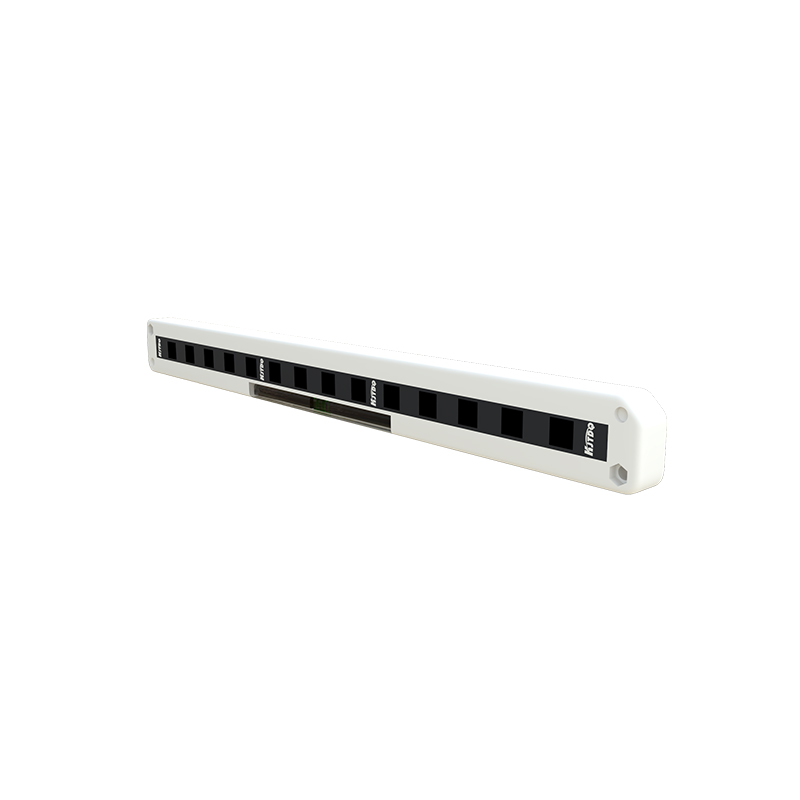
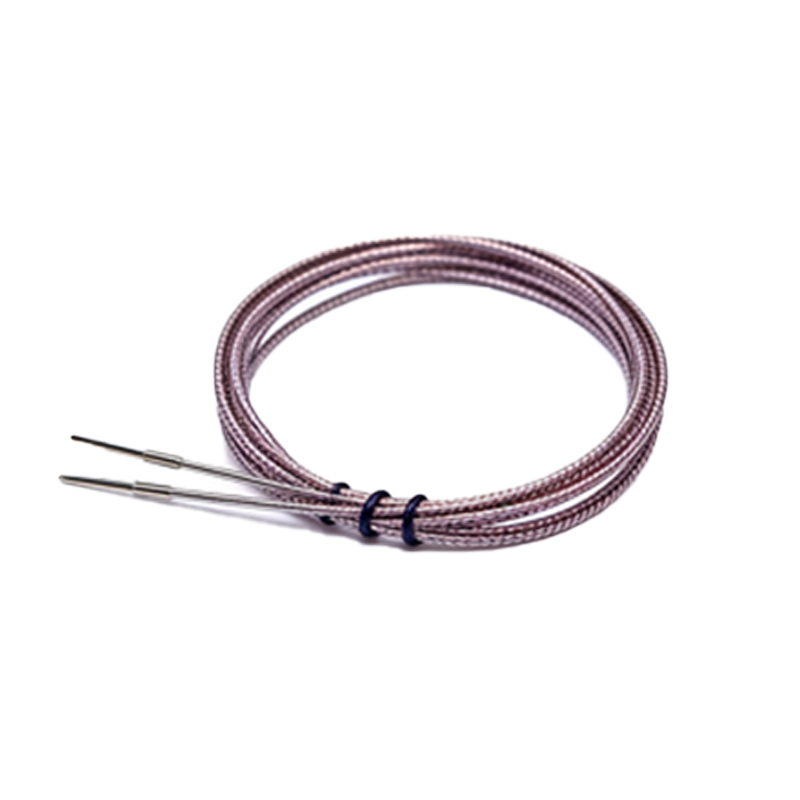
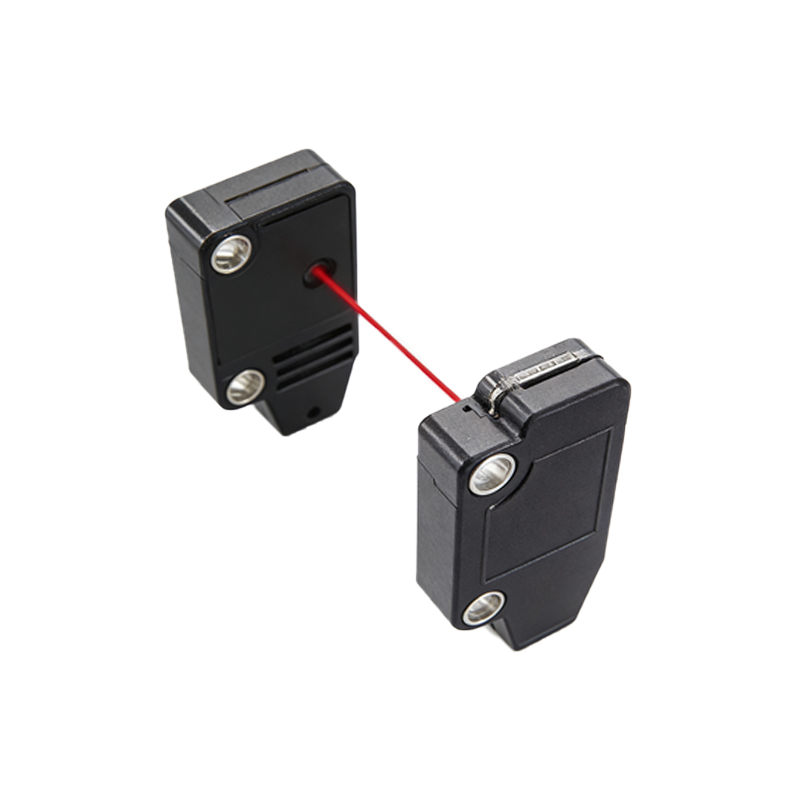
The primary components include a photoelectric sensor (such as through-beam or reflective type), a PLC (e.g., Siemens S7-1200 or Allen-Bradley MicroLogix), and an output device like a display or counter module. The sensor emits a light beam; when an object interrupts this beam, the sensor sends a digital signal (e.g., 24V DC) to the PLC input. The PLC then increments a counter register based on programmed logic. Power supply and wiring must follow standard industrial practices, with shielded cables to reduce electromagnetic interference.
PLC Programming for Counting Logic
For efficient counting, the ladder logic program should include a rising-edge detection instruction (e.g., R_TRIG or positive transition) to avoid multiple counts from a single object. The counter function block (e.g., CTU in IEC 61131-3) is configured with a preset value for batch limits. Additional logic can be added for debouncing, resetting counts manually or automatically, and triggering alarms if counts exceed thresholds. For example, a 10ms debounce timer filters out noise from sensor fluctuations.
Practical Implementation Steps
First, mount the photoelectric sensor at the conveyor belt or production line where objects pass. Ensure the sensor’s sensing distance and response time match the object speed (e.g., up to 2000 objects per minute). Wire the sensor’s output to a PLC digital input (e.g., I0.0). In the PLC software, create a new project, assign the input to a counter, and test the logic with a simulation. For field testing, verify counts by running a known number of objects and comparing actual vs. displayed count.
Troubleshooting and Optimization Tips
Common issues include false counts due to reflective surfaces or ambient light. Use a modulated photoelectric sensor to reject background light. If the sensor triggers on transparent objects, select a retro-reflective type with a polarized filter. In the PLC code, add a time-based filter or use a high-speed counter module (e.g., HSC) for very fast objects. Regularly clean sensor lenses and check wiring connections to maintain accuracy.
Benefits of Using PLC for Counting
PLC-based counting offers flexibility, as the same hardware can be repurposed for different products by adjusting the program. It also integrates easily with other automation systems, such as SCADA or MES, for data logging and reporting. The system provides high reliability in harsh industrial environments, with mean time between failures (MTBF) exceeding 100,000 hours for typical sensors.
Conclusion: Enhancing Efficiency with PLC Counting
Adopting a PLC-based photoelectric sensor counting system significantly improves production line efficiency and accuracy. By following proper installation, programming, and maintenance practices, engineers can achieve near-zero counting errors. This solution is scalable for small workshops to large factories, making it a standard choice in modern industrial automation.