Introduction to 36V Photoelectric Sensors
In modern industrial automation, photoelectric sensors play a critical role in detecting objects, counting products, and ensuring precise positioning. The 36V variant offers enhanced reliability and compatibility with many industrial control systems, particularly in environments where higher voltage stability is required. These sensors use light beams to detect the presence or absence of objects, making them ideal for assembly lines, packaging machinery, and material handling systems. Their robust design and ability to operate in harsh conditions make them a preferred choice for electrical engineers seeking long-term performance.
Key Advantages of 36V Operation
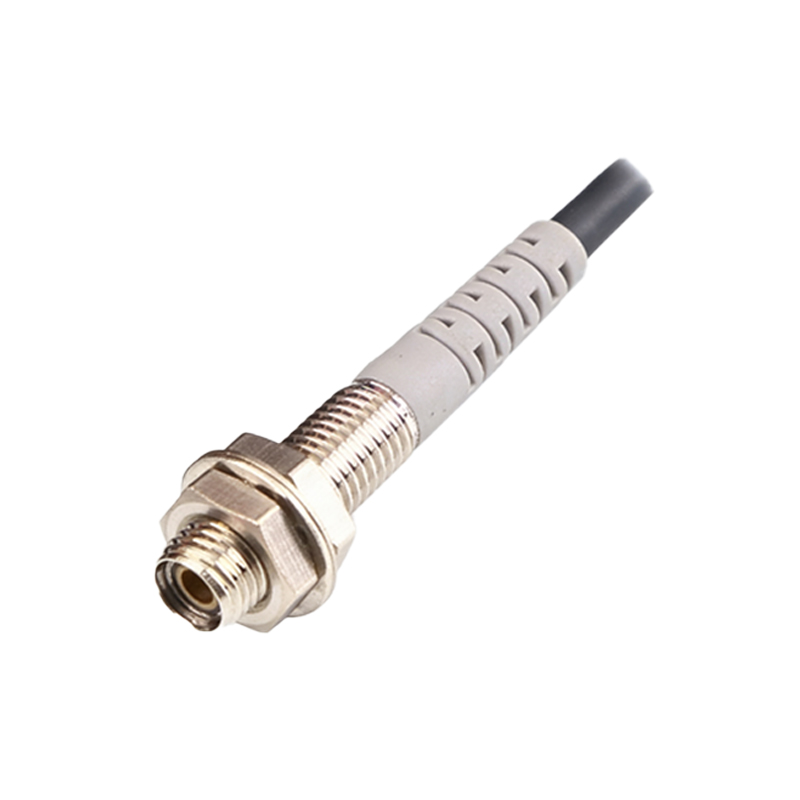
Operating at 36V provides several technical benefits over standard 24V or 12V sensors. First, the higher voltage reduces voltage drop over long cable runs, which is common in large factory floors. This ensures consistent detection accuracy even when sensors are placed far from the controller. Second, 36V systems often have better noise immunity, minimizing false triggers caused by electrical interference from motors or inverters. Additionally, many industrial power supplies are natively rated for 36V, simplifying integration without additional converters. For engineers, this translates into lower maintenance costs and higher uptime.
Common Types and Their Applications
36V photoelectric sensors come in three primary configurations: through-beam, retro-reflective, and diffuse. Through-beam sensors offer the longest detection range, up to 30 meters, making them suitable for conveyor belt monitoring in large warehouses. Retro-reflective sensors use a reflector and are ideal for detecting transparent or shiny objects in packaging lines. Diffuse sensors, which detect objects directly without a reflector, are commonly used in robotic pick-and-place systems. Each type can operate at 36V, ensuring compatibility with standard industrial power rails. Engineers should select based on the target material, distance, and environmental conditions like dust or moisture.
Installation and Wiring Considerations
Proper installation is essential to maximize the performance of 36V photoelectric sensors. Use shielded cables to prevent electromagnetic interference, especially near high-power equipment like variable frequency drives. Ensure the power supply is stable and rated for at least 36V DC with minimal ripple. When wiring, connect the brown wire to positive, blue to negative, and black for the output signal. Many models also include a gray wire for testing or remote programming. Always test the sensor’s alignment using a laser or built-in indicator LED before finalizing the mounting. For harsh environments, consider sensors with IP67 or higher ratings to protect against water and dust ingress.
Troubleshooting and Maintenance Tips
Common issues with 36V photoelectric sensors include false triggering, reduced range, or complete failure. Start by checking the power supply voltage with a multimeter; if it drops below 34V, the sensor may malfunction. Clean the lens regularly with a soft cloth and isopropyl alcohol to remove oil or dirt buildup. For retro-reflective models, ensure the reflector is not misaligned or scratched. If the sensor output remains stuck on high or low, inspect the wiring for shorts or loose connections. In dusty environments, use air purges or sensor housings with built-in heaters to prevent condensation. Saving these steps in a maintenance log helps predict failures and reduce downtime.
Future Trends and Integration with IoT
As Industry 4.0 evolves, 36V photoelectric sensors are increasingly integrated with IoT gateways and PLCs. Newer models feature IO-Link communication, allowing real-time diagnostics, parameter adjustment, and predictive maintenance alerts. This connectivity enables engineers to monitor sensor health remotely, optimize detection thresholds, and reduce unplanned stops. The 36V standard remains relevant because it balances power efficiency with robust performance, making it a future-proof choice for smart factories. When upgrading existing lines, verify compatibility with your current backbone; most modern controllers support 36V inputs natively.