Overview of Photoelectric Sensors in Modern Industry
Photoelectric sensors are critical components in industrial automation, utilizing light to detect objects, distances, and material presence. They operate based on emitting a beam of light (often infrared or visible) and analyzing the reflected or interrupted signal. These sensors are widely adopted due to their non-contact nature, high accuracy, and adaptability to harsh environments. In this article, we explore key application devices that integrate photoelectric sensors, ranging from packaging lines to safety systems.
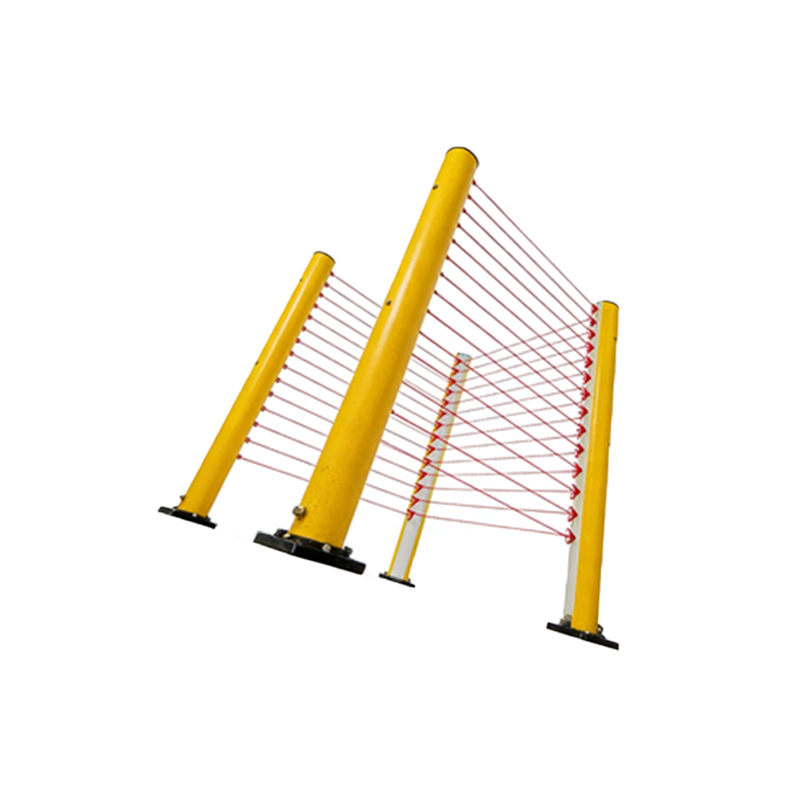
Through-Beam Sensors for High-Precision Detection
Through-beam (or opposed-mode) photoelectric sensors consist of a separate transmitter and receiver. They are ideal for long-range detection (up to 60 meters) and provide reliable performance in dusty or foggy conditions. Common devices include conveyor belt alignment systems and automated assembly lines where precise object presence is critical. For example, in bottling plants, through-beam sensors detect bottle caps missing or misaligned, triggering reject mechanisms immediately.
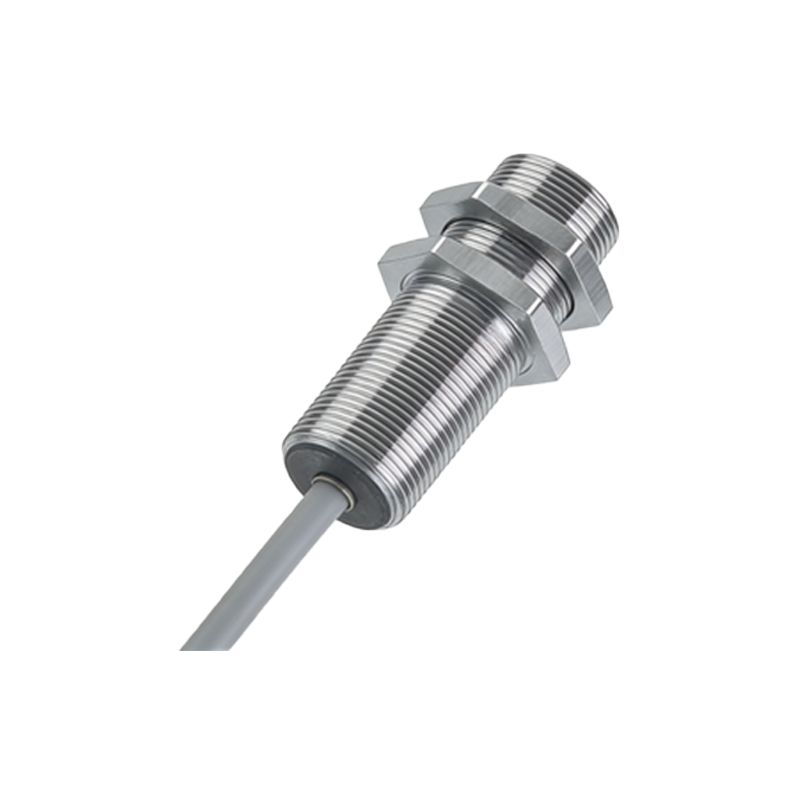
Retro-Reflective Sensors for Logistics and Warehousing
Retro-reflective sensors combine the emitter and receiver in a single unit, using a reflector to bounce the light beam back. These devices are perfect for sensing transparent or shiny objects, such as glass bottles or polished metal parts. In logistics, retro-reflective sensors monitor pallet movements in automated warehouse shelves. Devices like fork-tip sensors mounted on forklifts ensure safe loading and unloading by detecting obstacles within a defined range (typically 5 to 15 meters).
Diffuse Mode Sensors for Proximity and Color Differentiation
Diffuse mode (or proximity) photoelectric sensors send out a beam that reflects off the target itself. They are compact and cost-effective, often used in packaging machines to detect product labels or carton presence. Advanced models can differentiate colors or contrast, making them essential in printing press devices. For instance, a diffuse sensor on a label applicator ensures labels are placed precisely on curved surfaces by measuring reflected light intensity variations.
Fork Sensors for Small-Part Detection in Electronics
Fork sensors are U-shaped photoelectric devices with the transmitter and receiver facing each other across a gap. They excel in detecting small components, such as electronic chips, screws, or O-rings, in automated feeders and pick-and-place machines. Their slim design allows integration into tight spaces, like robotic grippers. In semiconductor manufacturing, fork sensors verify component counts with millisecond response times, minimizing production errors.
Fiber Optic Photoelectric Sensors for Hazardous Environments
Fiber optic sensors use flexible glass or plastic fibers to transmit light to and from the sensing point. They are ideal for explosive environments (e.g., petrochemical plants) or high-temperature zones (e.g., steel mills). Devices like these sense liquid levels in sealed tanks or detect heat variations in furnace rollers. The fiber cables separate the electronics from hazards, ensuring both safety and precision.
Safety Light Curtains for Machine Protection
Safety light curtains are arrays of photoelectric beams that create a protective barrier around dangerous machinery. When an operator’s hand or body interrupts the beam, the system sends a stop signal to the machine. These devices are mandatory in robotic welding cells, presses, and cutting machines to prevent accidents. Modern models feature self-diagnosing circuits and are compliant with ISO 13849 safety standards.
Smart Photoelectric Sensors with IO-Link Integration
Emerging smart photoelectric sensors incorporate IO-Link communication for real-time data exchange. Devices equipped with IO-Link can adjust sensitivity, provide diagnostic alerts, and log detection counts remotely. They are used in pharmaceutical blister packaging, where precise fill-level detection and traceability are required. For example, a smart sensor on a tablet blister line can automatically reduce light intensity to handle transparent films without false triggers.