Introduction to Wavelength in Through-Beam Photoelectric Sensors
In industrial automation, through-beam photoelectric sensors are critical for detecting objects over long distances with high reliability. The wavelength of the emitted light beam is a fundamental parameter that influences sensor performance, including range, immunity to ambient light, and target material detection. As an experienced electrical engineer, I emphasize that selecting the appropriate wavelength—typically in the visible red (660 nm) or infrared (IR, 850-950 nm) spectrum—directly impacts system efficiency. Red light is preferred for general-purpose applications due to its visibility for alignment, while IR offers superior penetration through dust and contaminants. Understanding these nuances ensures optimal sensor integration in manufacturing lines.
Key Factors Influencing Wavelength Selection
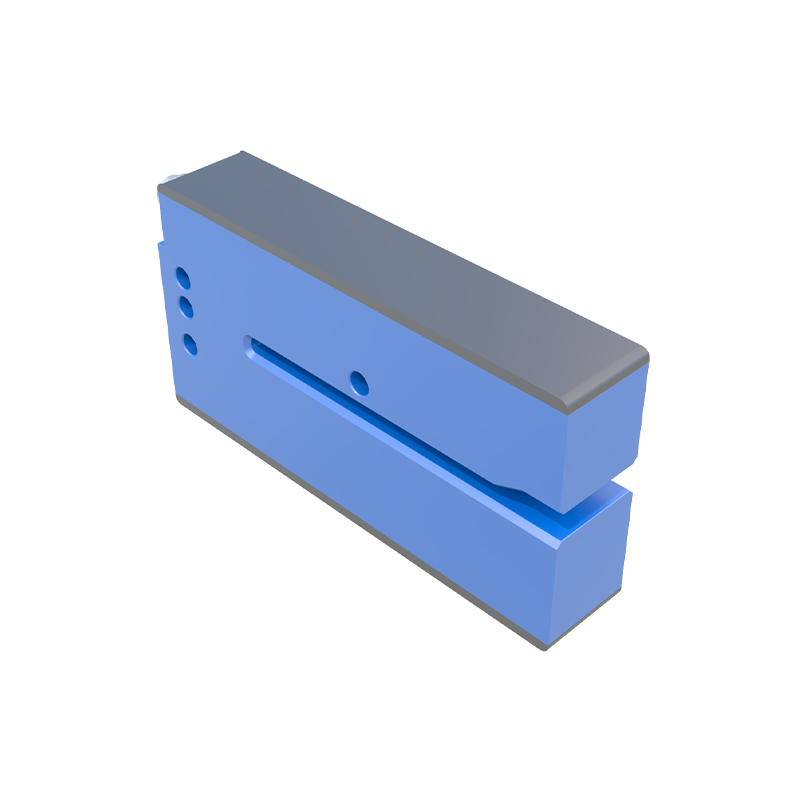
The choice of wavelength hinges on environmental conditions and target characteristics. For instance, in harsh industrial settings with heavy smoke or fog, IR wavelengths (e.g., 940 nm) minimize signal attenuation because they scatter less than visible light. Conversely, red light (660 nm) is advantageous for detecting transparent objects like glass or plastic, as it reflects better off glossy surfaces. Engineers must also consider the sensor's modulation frequency—higher frequencies reduce interference from ambient light sources, such as incandescent bulbs or sunlight, which have specific spectral peaks. A practical rule: always match the wavelength to the sensor's response curve for maximum signal-to-noise ratio.
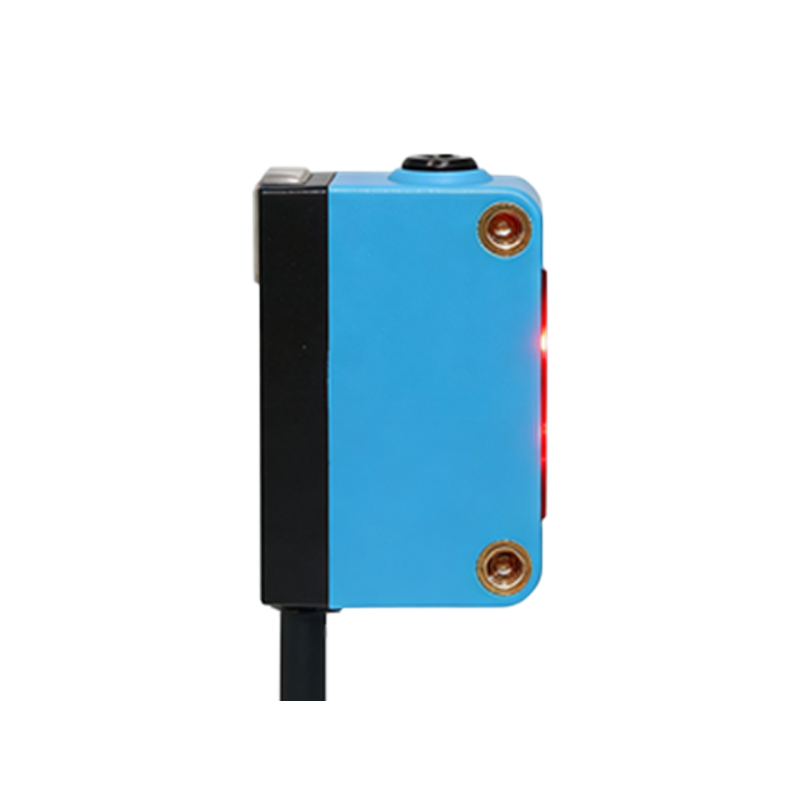
Practical Applications and Wavelength Optimization
In conveyor systems, through-beam sensors with IR wavelengths excel in dusty environments, such as cement plants, where red light might be absorbed or diffused. For cleanroom applications, red light enables precise alignment during installation due to human visibility. Additionally, dual-wavelength sensors can combine both spectrums for enhanced versatility, but this increases cost and complexity. I recommend testing different wavelengths with your target material—like metallic, opaque, or translucent objects—using a spectrum analyzer to measure reflectivity. This data-driven approach ensures robust detection even under variable lighting.
Challenges and Solutions with Wavelength Variability
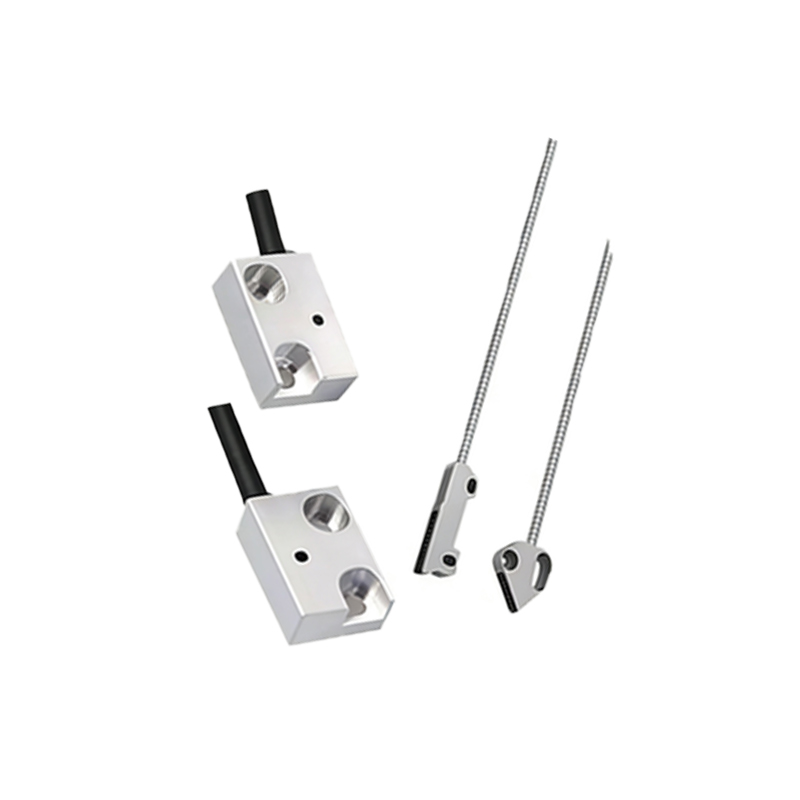
A common issue is interference from stray light or reflective surfaces, which can cause false triggers. For example, sunlight contains strong IR components, so using near-IR wavelengths (850 nm) with bandpass filters can mitigate this. Also, temperature fluctuations affect LED output wavelength; thus, sensors with temperature compensation circuitry are advisable for extreme environments. When dealing with high-speed applications, shorter wavelengths (e.g., 660 nm) offer faster response due to lower pulse width demands. Always consult the sensor datasheet for wavelength tolerance and power output to align with your system's timing requirements.
Conclusion: Best Practices for Wavelength Implementation
To summarize, wavelength is not merely a specification but a design variable in industrial sensor systems. Prioritize visible red for alignment and low-ambient-light scenarios, and IR for long-range or contaminated environments. Regular calibration and use of protective housings against dust and moisture extend sensor life and maintain wavelength stability. As a final tip, implement redundant sensors using different wavelengths for critical safety applications, ensuring fail-safe operation. By mastering these principles, you can enhance detection accuracy and reduce downtime in automated processes.