Introduction to Smart Retro-Reflective Sensors
In modern industrial automation, precision and reliability are paramount. Smart retro-reflective photoelectric sensors represent a significant advancement over traditional sensors, integrating intelligent features such as self-diagnosis, adjustable sensitivity, and communication protocols. Unlike through-beam sensors that require separate transmitter and receiver, retro-reflective sensors combine both in a single housing, using a reflector to bounce the beam back. This design simplifies installation, reduces wiring, and enhances flexibility in space-constrained environments. These sensors are ideal for detecting opaque objects, including those with irregular shapes or colors, making them a staple in packaging, material handling, and assembly lines.
Working Principles and Technical Specifications
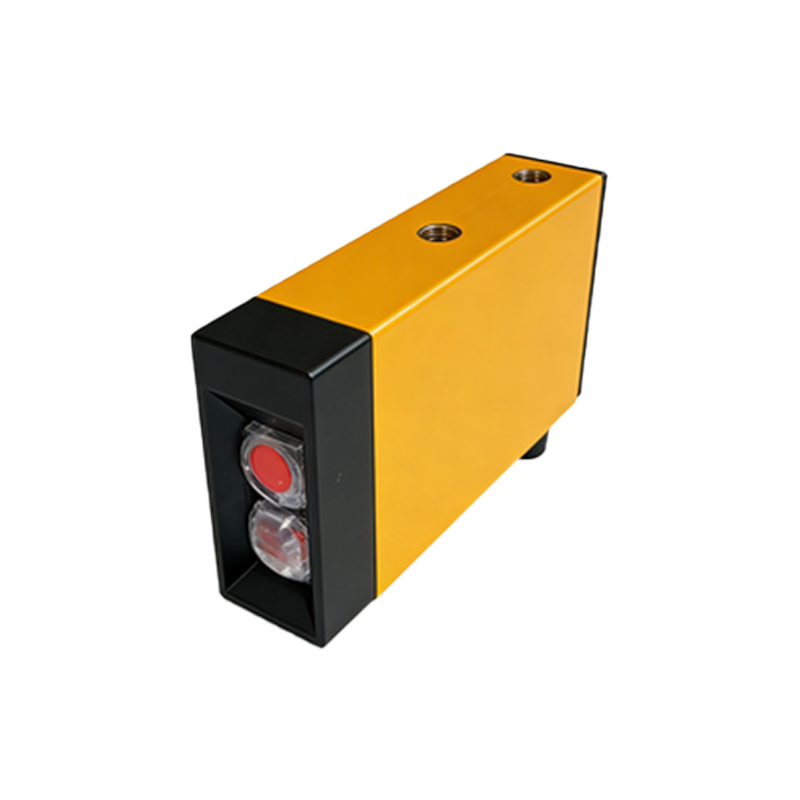
A smart retro-reflective sensor emits a modulated light beam, typically infrared or visible red, toward a reflector. When an object interrupts the beam, the sensor triggers an output signal. Smart variants incorporate microcontrollers that process signal strength, ambient light compensation, and noise filtering. Key specifications include sensing range (often from 0.1 to 10 meters), response time (as low as 1 millisecond), and output types (NPN, PNP, or IO-Link). For example, a typical model like the Banner QS18 series offers a range of 2 meters with a 12-24 VDC supply, ensuring compatibility with most PLCs. The housing is usually IP67 rated, resistant to dust and water ingress, suitable for harsh manufacturing floors.
Key Advantages Over Traditional Sensors
The primary advantage of smart retro-reflective sensors lies in their adaptability. Traditional sensors may fail due to dust accumulation on the lens or reflector, but smart models feature automatic gain control that compensates for gradual contamination. They also offer teach-in functions, allowing operators to adjust thresholds via a push button or remote input. Furthermore, many smart sensors support IO-Link communication, enabling real-time data exchange with control systems for predictive maintenance. This reduces downtime and improves overall equipment effectiveness (OEE). For instance, in a bottling plant, a smart sensor can detect transparent bottles with high accuracy, whereas a standard sensor might struggle with glass or plastic.
Installation Best Practices for Engineers
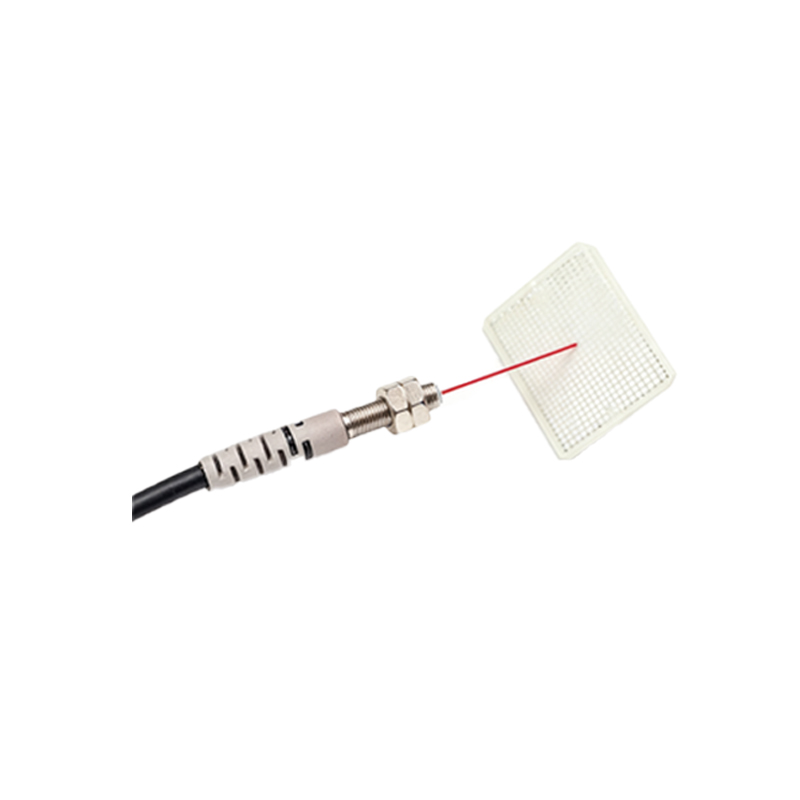
Proper installation is critical for optimal performance. First, mount the sensor and reflector on stable surfaces, ensuring the beam is perpendicular to the reflector. The reflector must be clean and free of scratches; a corner-cube reflector is preferred for long-range applications. Avoid proximity to high-vibration machinery or strong electromagnetic interference sources. For smart sensors with IO-Link, use shielded cables and maintain a maximum cable length of 20 meters to prevent signal loss. Additionally, configure the sensor using the manufacturer’s software to set the detection window and hysteresis. A common pitfall is misalignment: a 1-degree tilt can reduce range by 20%, so use a laser alignment tool during setup.
Troubleshooting Common Issues
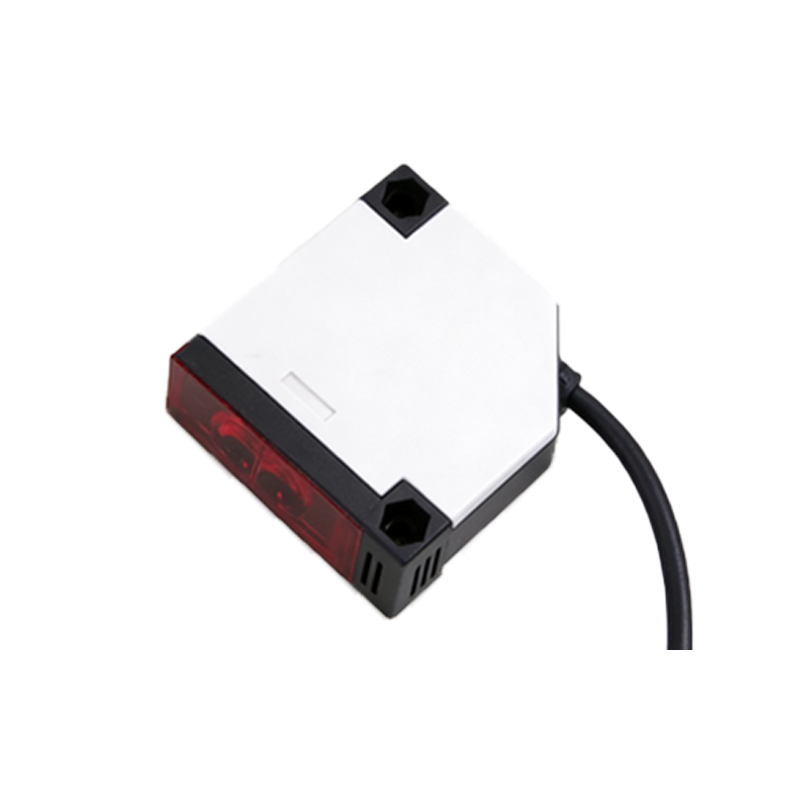
Even with smart features, issues may arise. If the sensor fails to detect objects consistently, check for reflector misalignment or surface contamination. Use the sensor’s diagnostic LED: a steady green indicates normal operation, while flashing red signals weak signal strength. For intermittent false triggers, examine ambient light interference, such as from welding arcs or direct sunlight. Smart sensors often have a built-in filter to mitigate this, but adjusting the sensitivity via the teach function can help. In cases of communication failure with IO-Link, verify the master device settings and cable connections. A systematic approach, like the 5-Why method, can pinpoint root causes, ensuring minimal production downtime.
Future Trends and Industry Applications
The evolution of smart retro-reflective sensors is tied to Industry 4.0. Emerging features include integrated edge computing for local data analysis, wireless connectivity (e.g., Bluetooth for configuration), and multi-beam arrays for 3D object detection. In the automotive sector, these sensors are used to detect car body panels on assembly lines, with smart versions adapting to different paint colors. In logistics, they monitor conveyor belt jams and sort packages by size. As sensor costs decrease, adoption in smaller manufacturing units will grow. Engineers should stay updated with standards like IEC 60947-5-2 for safety and performance.
Conclusion: Why Choose Smart Retro-Reflective Sensors?
For electrical engineers seeking efficient, reliable, and future-proof sensing solutions, smart retro-reflective photoelectric sensors are a compelling choice. They combine the simplicity of retro-reflective design with intelligent automation capabilities, reducing maintenance and enhancing process control. By understanding their principles, installation nuances, and troubleshooting methods, engineers can leverage these sensors to optimize production lines. As technology advances, these sensors will only become more integral to smart factories, driving efficiency and innovation.