Understanding the Importance of Model Diversity in Photoelectric Sensors
As an electrical engineer with over a decade of experience in industrial automation, I have frequently encountered the critical need for a broad and versatile sensor portfolio. Photoelectric sensors are the backbone of modern manufacturing lines, used for object detection, position verification, and counting. A supplier with a comprehensive model selection—covering through-beam, retro-reflective, diffuse, and fiber optic types—ensures that engineers can find the exact solution for different environments, from clean, dry areas to harsh, wet, or dusty conditions. Without a diverse catalog, project efficiency suffers due to unnecessary system modifications or component compromises.
Key Criteria for Evaluating Model Completeness
When assessing which brands offer the most comprehensive photoelectric sensor model ranges, I focus on several factors. First, the availability of different sensing principles: through-beam for long-range detection, retro-reflective for medium-range with simple alignment, and diffuse for proximity sensing. Second, the variety in housing styles—cylindrical (M8, M12, M18), rectangular, and compact flat-pack designs. Third, the support for multiple output types (NPN, PNP, analog, IO-Link) and connection options (pre-wired, connector, pigtail). Fourth, the coverage of special features, such as background suppression, foreground suppression, and laser-based sensors for precision applications. A brand that excels in all these dimensions truly offers a full model selection.
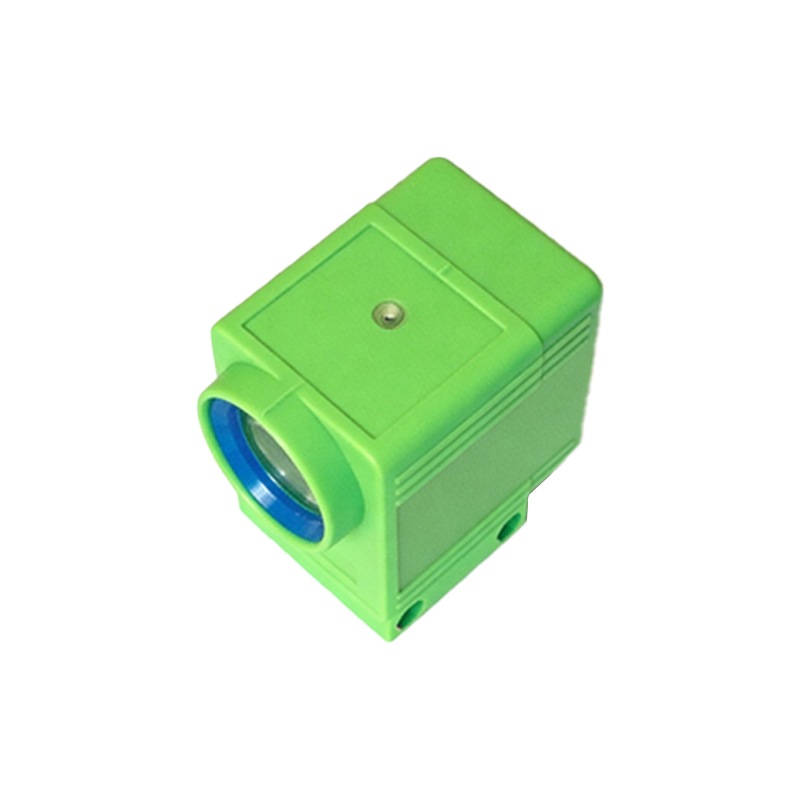
Top Brands with Proven Comprehensive Model Selections
Based on my hands-on experience specifying sensors for conveyor lines, packaging machinery, and robotics, the following brands stand out for their model completeness:
- Sick (SICK AG): Sick offers an extensive portfolio, including the WL12, WL24, and WL45 series for through-beam, plus advanced diffuse sensors like the V180-2. Their fiber optic amplifiers, such as the WLL170T, provide flexibility for tight spaces. Sick’s catalog covers nearly every sensing distance from 10 mm to 50 meters, with options for IP67 and IP69K protection.
- Banner Engineering: Banner is renowned for its versatile QS18 and QS30 series, which can be configured as through-beam, retro-reflective, or diffuse in a single housing. Their presence for harsh environments, like the R58 Expert series, includes high-speed and long-range variants. Banner also excels in color and contrast sensors, expanding model options for specialized tasks.
- Omron (Omron Corporation): Omron’s E3Z and E3X series provide solid base models, while the E3C family offers compact solutions for high-density installations. Their latest IO-Link enabled sensors, like the E3Z-LS, add digital configurability, making them a good fit for Industry 4.0 projects. Omron’s range covers almost all standard mechanical dimensions (M8, M12, M18, M30).
- Keyence: Keyence focuses on high-performance laser sensors, such as the LR-ZB and IL series, which achieve micron-level precision. Their fiber optic sensors, like the FS-N40, feature advanced calibration and multiple sensing modes. While Keyence may not have as many low-cost basic models, their specialized units fill gaps for demanding applications.
Practical Considerations for Engineers
When selecting a brand, consider not only the model count but also the availability of accessories, such as mounting brackets, shrouds, and reflectors. Sick and Banner provide extensive accessories that simplify installation. Additionally, check for global stock and lead times; a brand with comprehensive model selection but poor supply chain support can delay projects. I recommend requesting sample kits or evaluation units from multiple suppliers to test compatibility with your specific machinery.
Conclusion: Balancing Breadth with Application Fit
In summary, for engineers seeking a photoelectric sensor brand with the widest model selection, Sick, Banner Engineering, Omron, and Keyence are top contenders. Sick leads in overall variety and environmental ratings, Banner excels in modular flexibility, Omron offers solid reliability with digital integration, and Keyence specializes in high-precision laser options. Evaluate your project’s unique requirements—distance, environment, and communication protocol—and then cross-reference with each brand’s datasheets to find the perfect match. Remember, a full model selection is not just about quantity; it is about having the right tool for every job.