Introduction to Grating-Type Photoelectric Sensors
Grating-type photoelectric sensors represent a critical advancement in industrial automation and precision measurement. These sensors utilize a series of optical gratings—typically consisting of alternating transparent and opaque lines—to detect position, velocity, or presence of objects with high accuracy. Unlike standard photoelectric sensors that rely on simple beam interruption, grating-based designs offer enhanced resolution by leveraging the interference or diffraction of light through the grating pattern. This makes them indispensable in applications such as linear encoders, conveyor belt alignment, and robotic arm positioning. The fundamental principle involves a light source, a grating element, and a photodetector array that interprets changes in light intensity as the grating moves relative to the sensor head.
Core Operating Mechanism and Signal Processing
The sensor operates by emitting a collimated light beam (often from an LED or laser diode) through a stationary or moving grating. When the grating shifts, the light pattern received by the photodetector changes, generating a sinusoidal or pulsed output signal. This signal is processed using quadrature decoding techniques to determine both direction and displacement. In high-precision models, multiple grating tracks or index marks are included to provide absolute position feedback. The signal conditioning circuit amplifies and filters the raw photocurrent, converting it into digital pulses for PLCs or microcontrollers. The system’s response time is typically in the microsecond range, enabling real-time control in high-speed machinery.
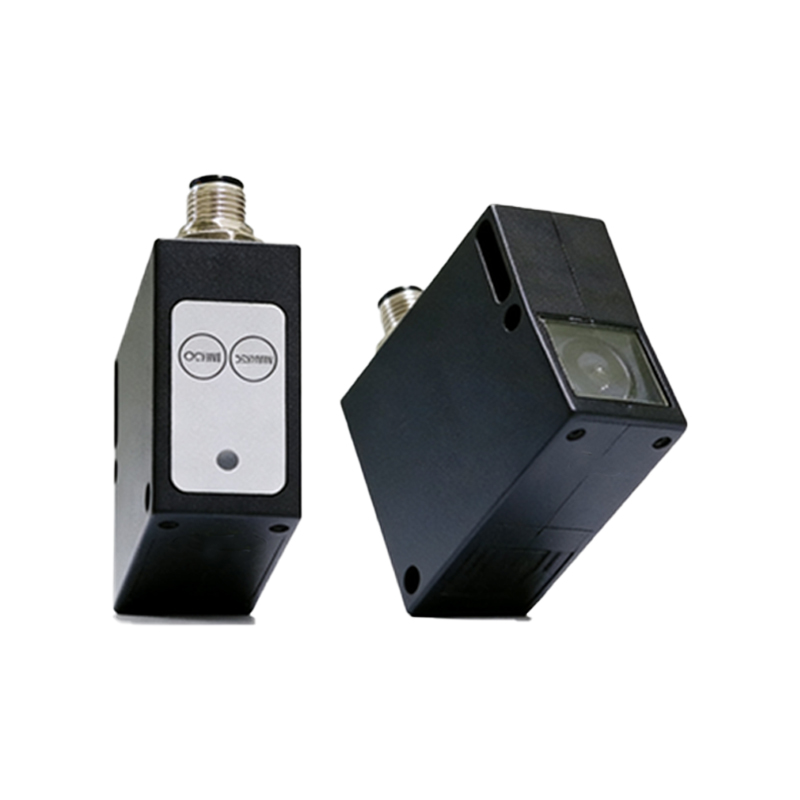
Key Advantages in Industrial Environments
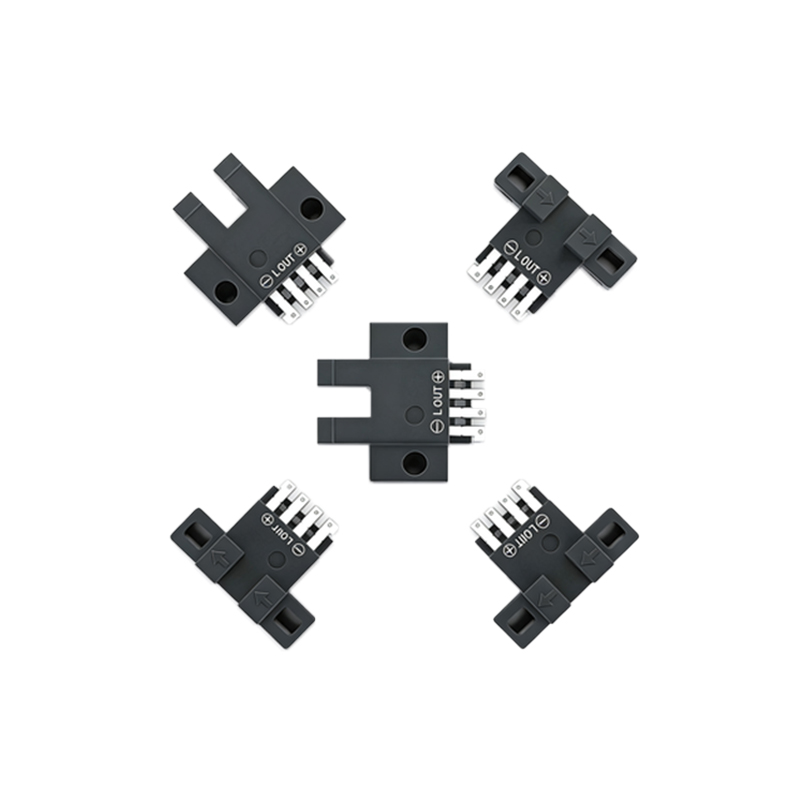
Grating sensors excel in harsh industrial settings due to their immunity to electromagnetic interference (EMI) and ability to function in dusty or humid conditions, provided the optical path is sealed. They offer higher resolution than magnetic encoders (down to sub-micrometer levels) and maintain accuracy over long distances. Additionally, their non-contact nature reduces mechanical wear, extending operational life. Unlike laser-based sensors, grating types are less sensitive to surface reflectivity variations, making them reliable for detecting transparent, glossy, or irregular objects. This robustness leads to lower maintenance costs and reduced downtime in manufacturing lines.
Common Industrial Applications
In automated assembly lines, grating sensors are employed for precise part positioning and sorting. They are integral to CNC machines for feedback control of axis movement. In packaging industry, they monitor film tension and cut-length accuracy. For logistics, they detect product flow on high-speed conveyors. Another critical use is in elevator leveling systems, where fine grating encoders ensure accurate floor alignment. Additionally, they serve in medical equipment like robotic surgery arms requiring micron-level precision. Their ability to provide incremental or absolute position data makes them versatile for both safety and process control.
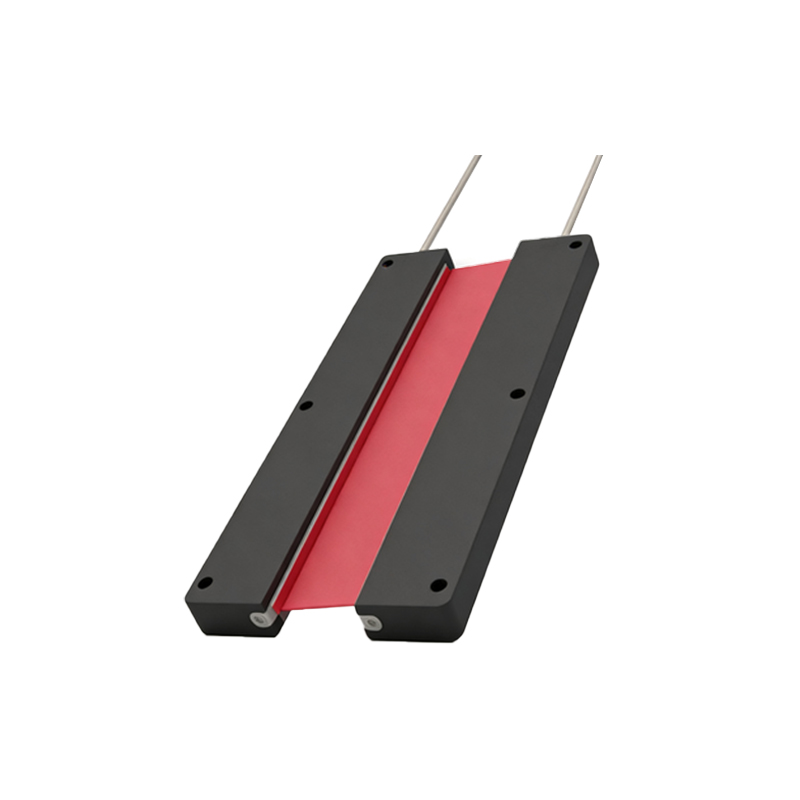
Selection Criteria and Installation Considerations
When selecting a grating sensor, engineers must evaluate resolution, measurement range, output type (e.g., TTL, push-pull, or RS-422), and environmental rating (IP65 or higher). The grating pitch (distance between lines) dictates the achievable resolution. For example, a 20-micron pitch provides 5-micron resolution after interpolation. Installation requires precise alignment between the light source, grating, and detector to avoid signal distortion. Temperature compensation may be needed in thermal cycling environments. Optical filters or shielding can reduce ambient light interference. Regular cleaning of the optical window is recommended to maintain signal integrity.
Future Trends and Technological Enhancements
Emerging developments include miniaturized grating sensors using MEMS technology for compact devices, and integration with IoT platforms for predictive maintenance. Advanced algorithms, such as machine learning, are being used to compensate for non-linearities and aging effects. Multi-wavelength gratings are being explored to enhance contrast and reduce cross-talk in dense arrays. The shift towards higher data rates (e.g., 10 MHz output frequency) supports faster machine cycles. Moreover, hybrid sensors combining grating and capacitive principles are being developed for applications requiring extreme precision and durability. These innovations will further expand their role in Industry 4.0 and smart factories.