Introduction to the Photoelectric Sensor 10C4
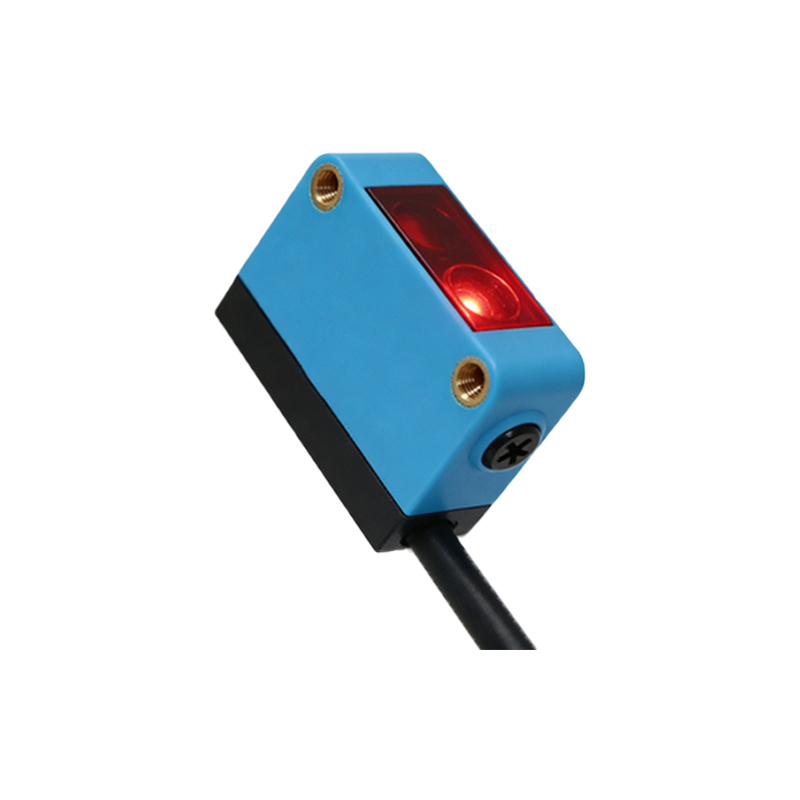
The photoelectric sensor 10C4 is a versatile and reliable component widely used in industrial automation, material handling, and packaging systems. Designed for non-contact detection, this sensor operates by emitting a light beam and analyzing the reflected or interrupted signal to identify the presence, absence, or distance of objects. Its compact form factor and robust construction make it suitable for harsh environments, including dusty, wet, or high-vibration settings. Engineers often prioritize the 10C4 for its high response speed and minimal maintenance requirements, ensuring seamless integration into production lines.
Operating Principle and Key Specifications
The 10C4 sensor typically uses infrared or visible red light, with a detection range varying from 0.1 meters to 10 meters depending on the model and configuration. It employs three common sensing modes: through-beam, retro-reflective, and diffuse reflection. In through-beam mode, the emitter and receiver are separate, offering maximum range and reliability. Retro-reflective mode uses a reflector, simplifying alignment. Diffuse mode detects objects by sensing reflected light directly from the target, ideal for short-range applications. Key specifications include a power supply of 10-30 VDC, a response time of less than 1 millisecond, and an IP67 rating for protection against dust and water ingress.
Installation and Alignment Best Practices
Proper installation is critical for optimal performance. For the 10C4, ensure the sensor is mounted on a stable surface, avoiding direct sunlight or interference from other light sources. Use the provided mounting brackets and adjust the alignment screws to center the beam on the target or reflector. In through-beam setups, align the emitter and receiver precisely; even a slight misalignment can cause false readings. For retro-reflective models, keep the reflector clean and free from debris. Always verify the sensing distance with the actual target material, as reflectivity affects performance. Calibrate the sensitivity potentiometer to avoid noise from background objects.
Troubleshooting Common Issues
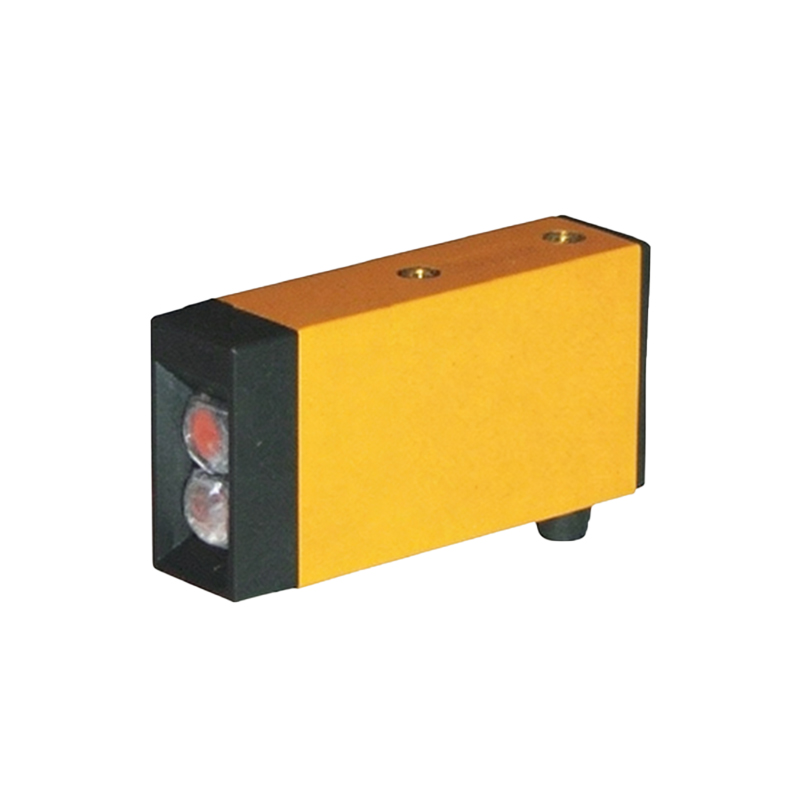
Common problems with the 10C4 include intermittent detection, false triggers, or no output. Begin troubleshooting by checking the power supply voltage and connections. Contaminated lenses are frequent culprits; clean them with a soft, lint-free cloth and isopropyl alcohol. Verify that the sensing distance matches the application requirements—if the target is too close or too far, adjust the sensor position or use a different mode. In high ambient light conditions, consider adding a shield or switching to a modulated light sensor. If the output remains unstable, inspect the wiring for shorts or breaks, and confirm the load impedance matches the sensor specifications.
Applications in Industry
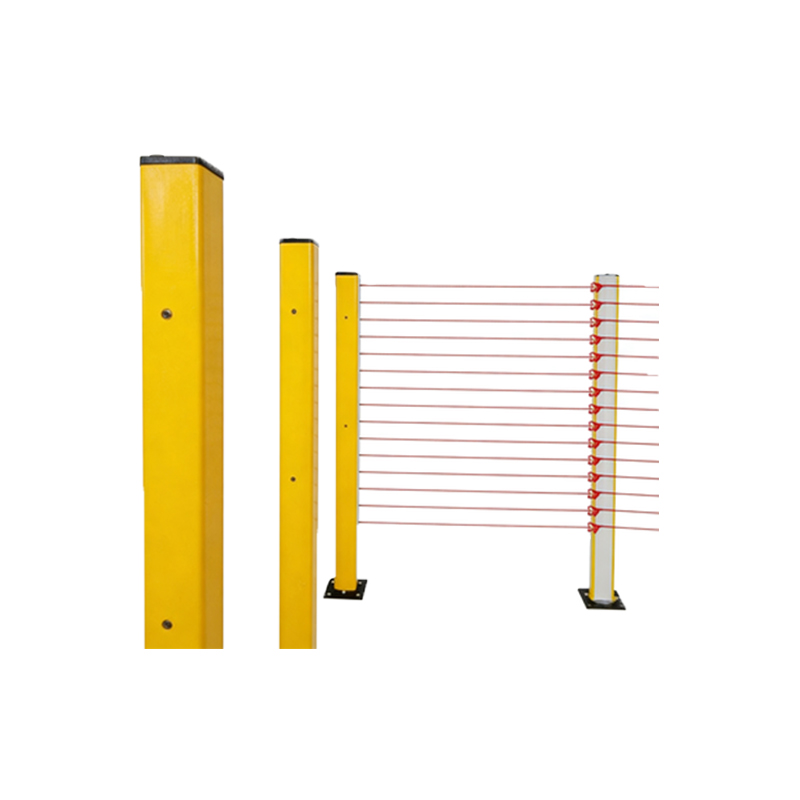
The 10C4 excels in applications like conveyor belt object counting, automated door control, and robotic arm positioning. In packaging lines, it detects product presence for labeling or filling operations. Its fast response suits high-speed sorting systems. In logistics, it monitors pallet positions or identifies jams. The sensor’s adaptability to different materials—metal, plastic, or glass—makes it a favorite in automotive and electronics manufacturing. For outdoor use, select models with enhanced ambient light rejection. Always match the sensor’s output type (NPN or PNP) to your control system for direct PLC integration.
Conclusion and Maintenance Tips
Regular maintenance extends the lifespan of the 10C4. Schedule periodic cleaning of lenses and reflectors, especially in dusty environments. Check alignment after equipment vibrations or shocks. Store spare sensors in a dry, static-free environment. For critical applications, implement redundancy with multiple sensors or use a monitoring system to detect failures early. By understanding its operation and adhering to best practices, engineers can leverage the photoelectric sensor 10C4 to enhance efficiency and reliability in automated systems.