Understanding Automatic Photoelectric Sensors
Automatic photoelectric sensors are critical components in modern industrial automation. They detect the presence, absence, or distance of objects using light beams, typically in infrared, visible red, or laser wavelengths. These sensors are widely used in packaging, material handling, and assembly lines to trigger actions without physical contact. A factory-direct approach ensures that engineers and procurement specialists receive high-quality components without intermediary markups, directly improving system reliability and cost-effectiveness.
Key Benefits of Factory Direct Supply
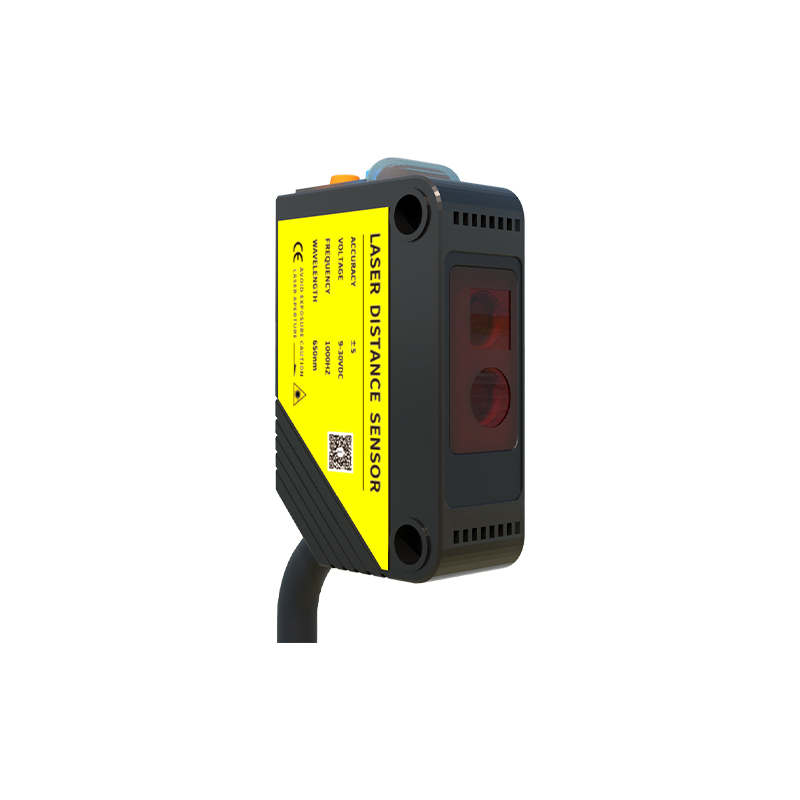
When sourcing automatic photoelectric sensors straight from the manufacturer, industrial buyers gain several advantages. First, reduced lead times enable faster project completion, as stock is managed by the factory itself. Second, technical support is more accurate because factory engineers understand the sensor specifications intimately. Third, pricing is competitive, often 15-30% lower than distributor prices, which is crucial for large-scale deployments. Furthermore, customizations such as specific cable lengths, connector types, or sensing ranges become feasible, ensuring seamless integration into existing control systems.
Technical Specifications to Consider
For reliable operation in harsh factory environments, these sensors must meet IP67 or higher ingress protection ratings to resist dust and moisture. Sensing distance varies from a few millimeters to over 20 meters, depending on the model. Key parameters include response time (typically under 1 ms), output type (PNP, NPN, or analog), and light source (LED or laser). Engineers should also evaluate ambient light immunity, temperature range (-25°C to 60°C), and shock resistance. Factory-direct suppliers often provide detailed datasheets and application notes to assist in selection.
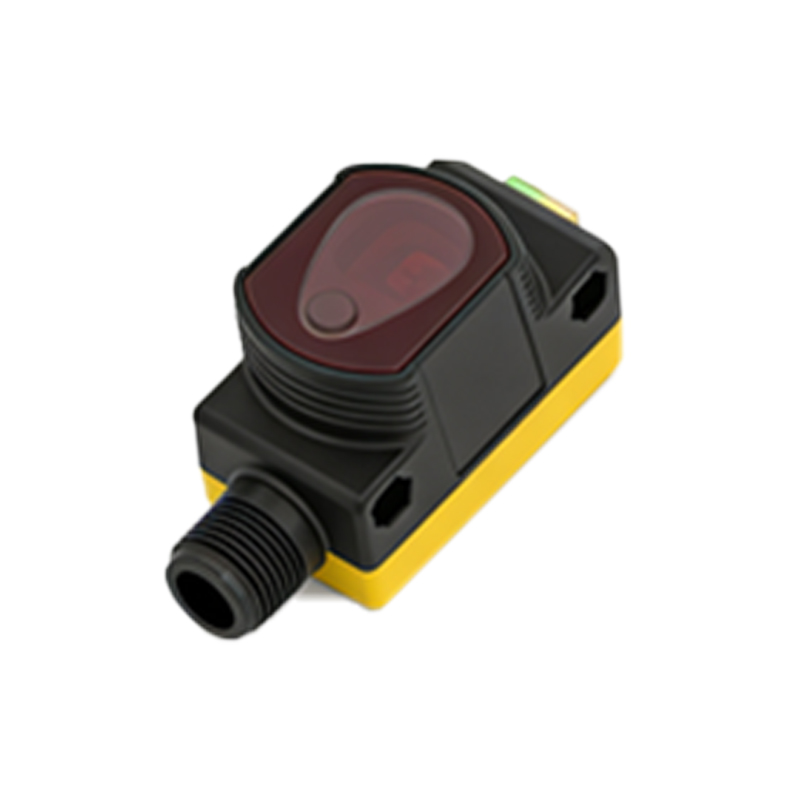
Integration with Industrial Control Systems
These sensors interface seamlessly with PLCs, counters, and safety relays via standard M12 or M8 connectors. Many models feature adjustable sensitivity via potentiometers or push buttons, allowing fine-tuning during commissioning. For advanced applications, IO-Link compatible sensors enable real-time diagnostics and parameter configuration through a single cable. When sourced directly from the manufacturer, compatibility with common automation protocols like Profinet or EtherNet/IP is verified, reducing installation risks.
Quality Assurance and Testing
Reputable factory-direct suppliers subject each sensor to rigorous testing, including thermal cycling, vibration, and EMC compliance. Certifications such as CE, RoHS, and UL mark ensure adherence to international standards. Batch traceability is maintained, so any issues can be quickly isolated to specific production runs. Additionally, many manufacturers offer extended warranties (2-5 years) when purchased directly, demonstrating confidence in product longevity.
Cost Analysis and ROI
Direct factory procurement reduces overhead by eliminating distribution margins. For a typical 100-sensor installation, savings can exceed $2,000 compared to retail pricing. Moreover, faster delivery reduces downtime during system upgrades. Over a five-year operational period, the lower initial cost, combined with reduced maintenance due to high sensor reliability, yields a return on investment of 150% or more. This makes factory-direct automatic photoelectric sensors a financially sound choice for industrial buyers.
Conclusion: Optimizing Your Supply Chain
Choosing automatic photoelectric sensors from a factory-direct source streamlines procurement, ensures technical accuracy, and lowers total cost of ownership. By leveraging direct manufacturer relationships, engineers can access custom solutions, faster support, and consistent quality. For any industrial automation project requiring precise object detection, this approach is not just a cost-saving measure but a strategic advantage in maintaining competitive production lines.