Introduction to Photoelectric Sensor CN12
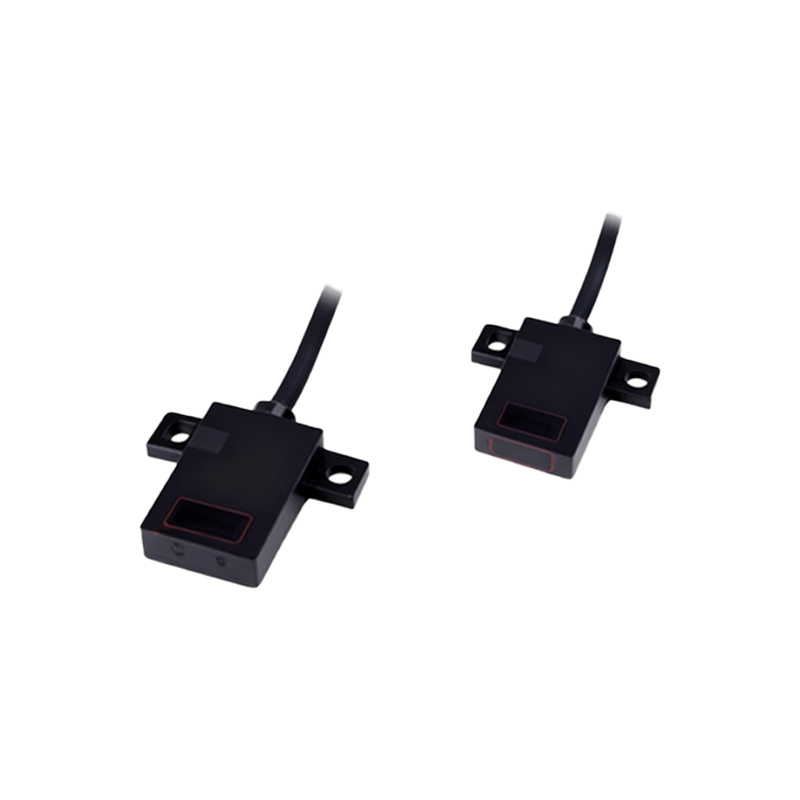
The CN12 photoelectric sensor is a robust and versatile device designed for precise object detection in industrial automation environments. As a key component in manufacturing lines, packaging systems, and material handling, this sensor operates on the principle of light emission and reception to detect the presence, absence, or position of objects without physical contact. Its compact cylindrical housing, typically with a 12mm diameter, ensures easy integration into tight spaces while maintaining high reliability under harsh conditions such as dust, vibration, and temperature fluctuations.
Working Principle and Types
The CN12 sensor utilizes an infrared or visible light source, often an LED, which emits a beam toward a target. When the beam is reflected back or interrupted, the sensor triggers an output signal. There are three common operational modes: through-beam, retro-reflective, and diffuse reflection. In through-beam mode, the emitter and receiver are separate, offering the longest detection range (up to 10 meters). Retro-reflective mode uses a reflector to bounce the beam back, ideal for medium-range applications (up to 4 meters). Diffuse mode detects objects directly by the reflected light from the target itself, suitable for short-range detection (up to 1 meter) and transparent object sensing.
Key Technical Specifications
The CN12 series typically features a sensing distance ranging from 5 cm to 10 meters depending on the model. It operates on a supply voltage of 10-30 VDC, with output options including NPN (sinking) or PNP (sourcing) configurations. The response time is as fast as 1 millisecond, ensuring high-speed detection for moving objects. The sensor is equipped with IP67 protection rating, making it dust-tight and resistant to temporary water immersion. Additionally, it supports ambient light suppression to prevent false triggering from external light sources.
Installation and Wiring Guidelines
Proper installation is critical for optimal performance. Mount the sensor on a stable bracket using the provided nuts, ensuring alignment with the target or reflector. For through-beam models, align the emitter and receiver coaxially. Wiring follows standard color codes: brown for +V, blue for 0V, black for output signal, and white for optional control lines. Use shielded cables to minimize electromagnetic interference, especially in noisy industrial environments. Always verify the load current (max 200 mA) to avoid damaging the output stage.
Common Applications in Industry
The CN12 photoelectric sensor excels in applications requiring non-contact detection. In conveyor systems, it detects product presence for sorting or counting. In packaging, it verifies cap placement or label alignment. It is also used in elevator door safety systems to prevent closing on obstacles. Its ability to detect transparent or shiny objects makes it suitable for glass and metal processing industries. Moreover, the sensor’s compact size allows integration into robotic grippers for end-of-arm tooling.
Troubleshooting and Maintenance
Common issues include false triggering due to dust accumulation on the lens; regular cleaning with a soft cloth is recommended. Misalignment can cause intermittent detection; use an alignment tool or laser pointer for precise adjustment. If the sensor fails to respond, check the power supply voltage and wiring continuity. For malfunctioning units, replace the sensor module rather than repairing internal circuits. Always follow manufacturer guidelines for calibration and sensitivity adjustment to maintain accuracy.
Conclusion and Best Practices
The CN12 photoelectric sensor is a reliable choice for modern automation systems. To maximize its lifespan, operate within specified voltage and temperature ranges. Use appropriate sensing modes based on target characteristics and environment. Regularly inspect cable connections and protective housings for wear. By adhering to these practices, engineers can achieve consistent performance and reduce downtime in production lines.