In an era where urbanization and climate change place unprecedented stress on water infrastructure, the need for intelligent, reliable, and efficient monitoring solutions has never been greater. Enter laser drainage sensors, a transformative technology redefining how municipalities and industries manage wastewater, stormwater, and drainage systems. Unlike traditional methods that rely on physical contact or ultrasonic waves, these advanced sensors utilize laser technology to deliver unparalleled accuracy and reliability.
The core principle behind a laser drainage sensor is LiDAR (Light Detection and Ranging) technology. It emits a focused laser beam towards the water surface within a pipe or channel. The sensor then precisely measures the time it takes for the reflected light to return. This time-of-flight calculation, combined with known sensor positioning, allows for the exact determination of water level, flow velocity, and even the presence of sediment or blockages. This non-contact method is a significant advantage, as it eliminates issues like sensor fouling, corrosion, and damage from debris—common pitfalls for submerged probes.
The applications for laser drainage sensors are vast and critical. In smart city initiatives, they are deployed across sewer networks to monitor flow in real-time, providing early warnings for potential overflows or flooding. This data enables predictive maintenance, allowing crews to address blockages before they cause backups or environmental spills. For industrial facilities, these sensors ensure compliance with discharge regulations by continuously monitoring effluent levels and flow rates. In agricultural settings, they optimize irrigation and drainage in canals, conserving water and protecting soil health.
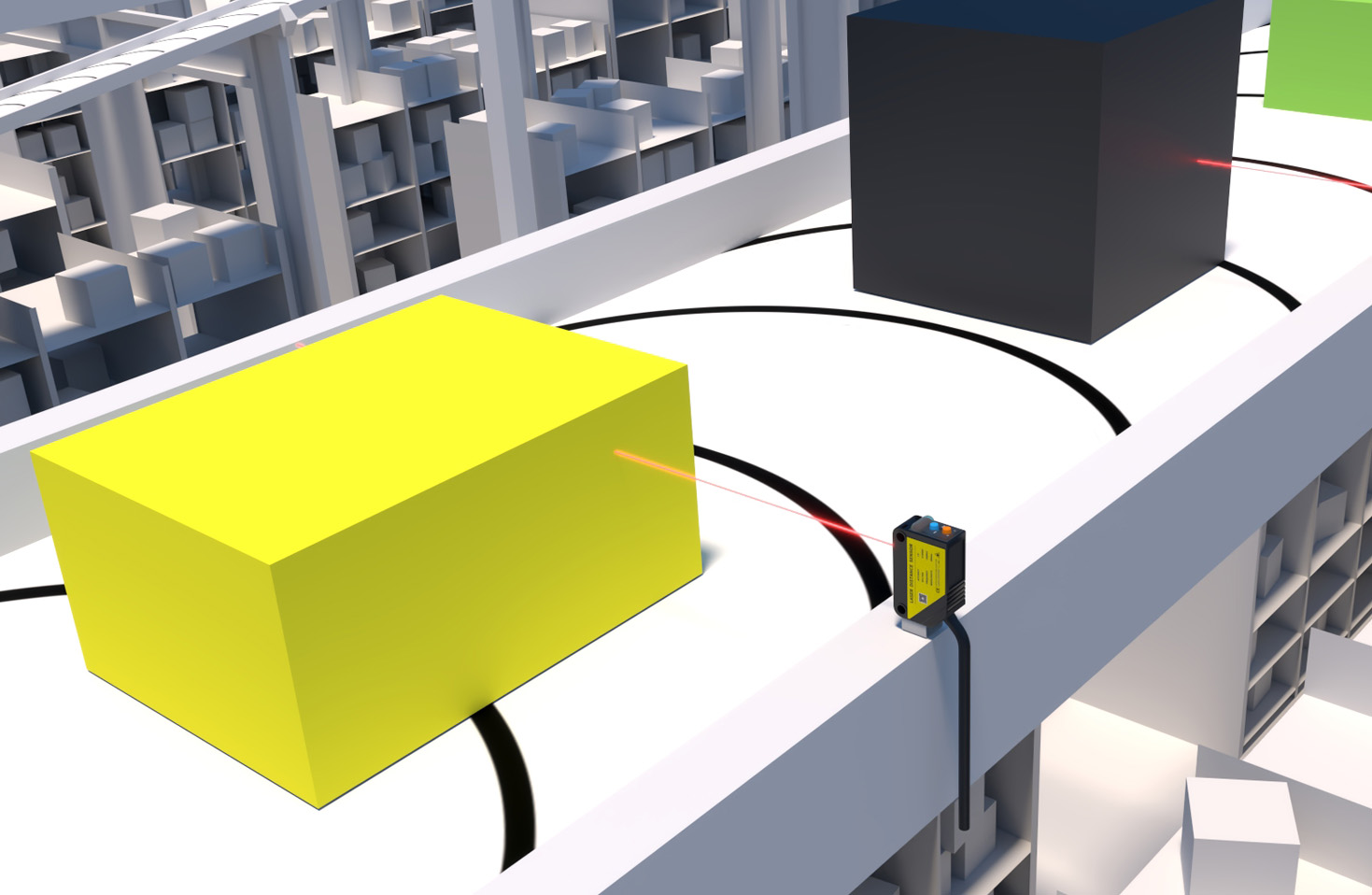
One of the most compelling benefits is the wealth of data they generate. Integrated with IoT (Internet of Things) platforms, laser sensors transmit continuous, high-resolution data to central management systems. This facilitates the creation of digital twins—virtual models of drainage networks—where operators can simulate scenarios, predict system behavior under heavy rainfall, and optimize overall network performance. The result is a proactive, data-driven approach to water management that reduces operational costs, minimizes public health risks, and enhances environmental protection.
Durability and low maintenance are key selling points. Housed in rugged, weatherproof enclosures, these sensors are designed for long-term deployment in harsh, confined spaces like manholes and wet wells. With no moving parts in contact with wastewater, their operational lifespan far exceeds that of conventional sensors. Calibration is typically minimal, and advanced models feature self-cleaning mechanisms for the optical lens, ensuring consistent performance.
While the initial investment for laser drainage technology may be higher than for traditional sensors, the total cost of ownership is often lower. The reduction in maintenance visits, the prevention of costly emergency repairs, and the avoidance of regulatory fines for pollution incidents contribute to a rapid return on investment. Furthermore, the precision of the data supports better capital planning, informing decisions on where to upgrade or expand infrastructure for maximum impact.
As cities grow smarter and environmental regulations tighten, the adoption of laser-based monitoring is set to accelerate. Future iterations may incorporate multi-spectral lasers to analyze water quality parameters or AI-powered analytics to automatically classify types of debris. This evolution will push drainage management from simple monitoring to comprehensive system intelligence.
In conclusion, laser drainage sensors represent a paradigm shift in water infrastructure management. By providing clean, accurate, and actionable data without physical contact, they empower organizations to build more resilient, efficient, and sustainable drainage systems. For any entity responsible for managing water flow—from a local public works department to a global manufacturing plant—this technology is no longer a futuristic concept but an essential tool for navigating the challenges of the 21st century.