Introduction to Thin Photoelectric Laser Sensors
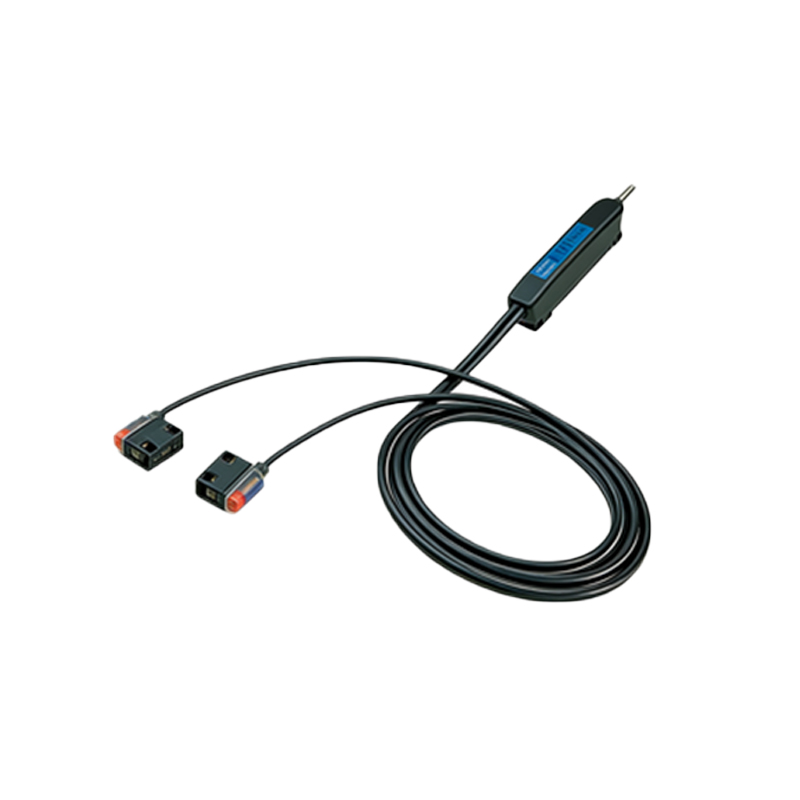
In the realm of industrial automation and precision measurement, the thin photoelectric laser sensor has emerged as a critical component. Unlike bulky traditional sensors, these ultra-compact devices integrate a laser diode, photodetector, and signal processing unit into a slim profile, often less than 10mm in thickness. This design enables seamless integration into tight spaces, such as robotic grippers, conveyor systems, and PCB assembly lines. The laser source provides a highly collimated beam, ensuring consistent detection of small targets or transparent materials, which is a common challenge for standard photoelectric sensors.
Operational Principles and Key Specifications
The core working principle relies on the interruption or reflection of a modulated laser beam. The sensor emits a pulsed laser (typically 650nm or 905nm wavelength) which, when blocked or reflected by an object, triggers a change in the receiver’s output. Key specifications include a sensing distance up to 10 meters for through-beam types and 2 meters for diffuse reflective types. Response time is typically under 0.5 milliseconds, crucial for high-speed sorting or counting applications. The beam spot diameter can be as small as 0.2mm at close range, allowing detection of micro-components like screws or wire loops.
Advantages in Industrial Environments
Thin laser sensors outperform their LED-based counterparts in several aspects. First, the laser’s monochromatic nature minimizes interference from ambient light, including sunlight or factory lighting. Second, the narrow beam angle (often below 2 degrees) reduces false triggers from adjacent objects or reflective backgrounds. Durability is another plus: many models feature IP67-rated housings, resisting dust, coolant, and oil splashes common in machining centers. Additionally, their low power consumption (around 20mA at 12V DC) makes them ideal for battery-powered portable equipment.
Application Cases in Automation
In a typical pick-and-place robot cell, a thin laser sensor mounted on the end-effector can verify component presence before grip. For example, a sensor with a 5mm sensing range can detect a 1mm thick metal shim without physical contact. In packaging lines, these sensors count products at speeds exceeding 1000 parts per minute. They also excel in label detection: the laser’s small spot can differentiate between a label and the underlying substrate, even with transparent films. Automotive assembly plants use them to monitor hinge positions or hydraulic piston travel.
Installation and Calibration Guidelines
Proper installation is vital for achieving reliable performance. The sensor must be aligned so the laser beam is perpendicular to the target surface. For through-beam types, the emitter and receiver must be coaxial within ±0.5 degrees. We recommend using mounting brackets with fine-thread adjustment screws. Calibration involves setting the threshold level to compensate for background reflections. For diffuse reflective models, a white test card at the maximum distance helps determine sensitivity. Always verify the output logic (NPN/PNP) matches the PLC input requirements.
Future Trends and Innovations
The evolution of thin photoelectric laser sensors points toward smarter integration. Current R&D focuses on integrating IO-Link communication for real-time diagnostics and parameter configuration. Another trend is the use of time-of-flight (ToF) laser technology in a slim form factor, enabling distance measurement down to micrometer accuracy. Manufacturers are also developing sensors with built-in teach buttons and LED status indicators, simplifying field adjustments. As Industry 4.0 advances, these sensors will become key nodes in the industrial Internet of Things, providing data for predictive maintenance.