Introduction to Dynamic Photoelectric Sensors
Dynamic photoelectric sensors are critical components in modern industrial automation, designed to detect changes in light intensity, position, or presence of objects without physical contact. Unlike static sensors, dynamic variants excel in environments with moving targets, offering high-speed response and reliability. These sensors operate based on the principle of photoelectric effect, where a light emitter and receiver are integrated to monitor alterations in the optical path. The dynamic nature refers to their ability to handle rapidly changing conditions, making them ideal for conveyor belts, sorting systems, and robotic arms. Engineers often choose them for applications requiring minimal downtime and maximum precision.
Core Operating Principle
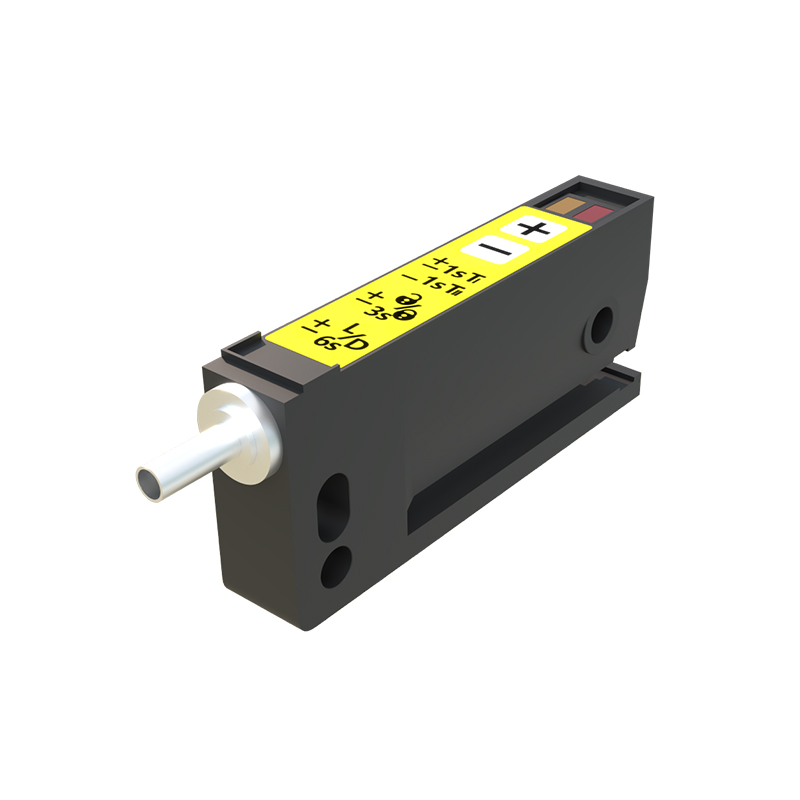
The fundamental working principle of a dynamic photoelectric sensor involves three key components: a light source (typically an LED or laser diode), a receiver (photodiode or phototransistor), and a signal processing unit. The emitter sends a beam of light toward a target or reflector. When an object interrupts or reflects this beam, the receiver detects the change in light intensity. Dynamic sensors utilize modulation techniques, such as pulse-coded light, to filter out ambient interference, ensuring accurate detection even in bright sunlight or dusty environments. The output is a digital or analog signal that triggers actions like counting, positioning, or safety stops. Unlike static sensors, dynamic models feature adjustable threshold levels and fast response times, often in microseconds.
Common Configurations: Through-Beam, Retro-Reflective, and Diffuse
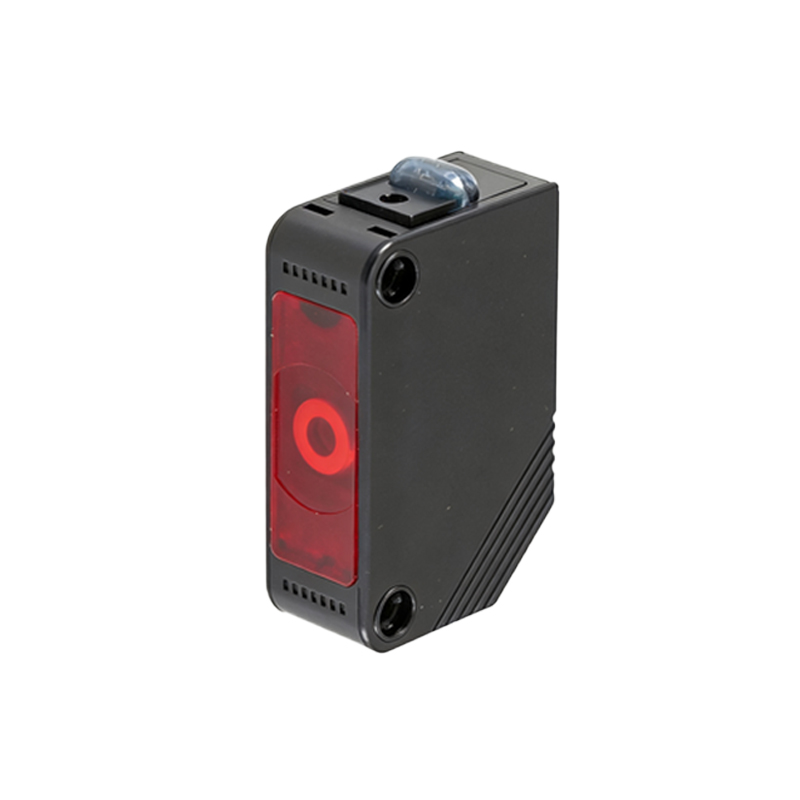
Dynamic photoelectric sensors are available in three main configurations to suit diverse industrial needs. The through-beam type consists of separate emitter and receiver units. It offers the longest detection range and highest immunity to contaminants, as the object directly blocks the light path. The retro-reflective type uses a single housing with a reflector, making installation simpler while providing moderate range and reliability. The diffuse type integrates emitter and receiver in one unit, detecting light reflected off the target itself. This configuration is compact but sensitive to surface color and texture. Each type can be optimized with lens options, such as convergent or divergent beams, to match specific application requirements.
Key Performance Parameters
When selecting a dynamic photoelectric sensor, engineers prioritize several parameters. Detection range varies from a few centimeters to over 50 meters, depending on the configuration and light source. Response time, typically measured in milliseconds or microseconds, determines suitability for high-speed processes. Ambient light immunity, often specified in lux, ensures stable operation in outdoor or well-lit facilities. Hysteresis settings prevent false triggering near the detection threshold. Additionally, output types—such as NPN, PNP, or analog—must align with the control system. Dynamic sensors also feature diagnostics, like contamination warning or alignment indicators, to reduce maintenance downtime.
Applications in Manufacturing and Logistics
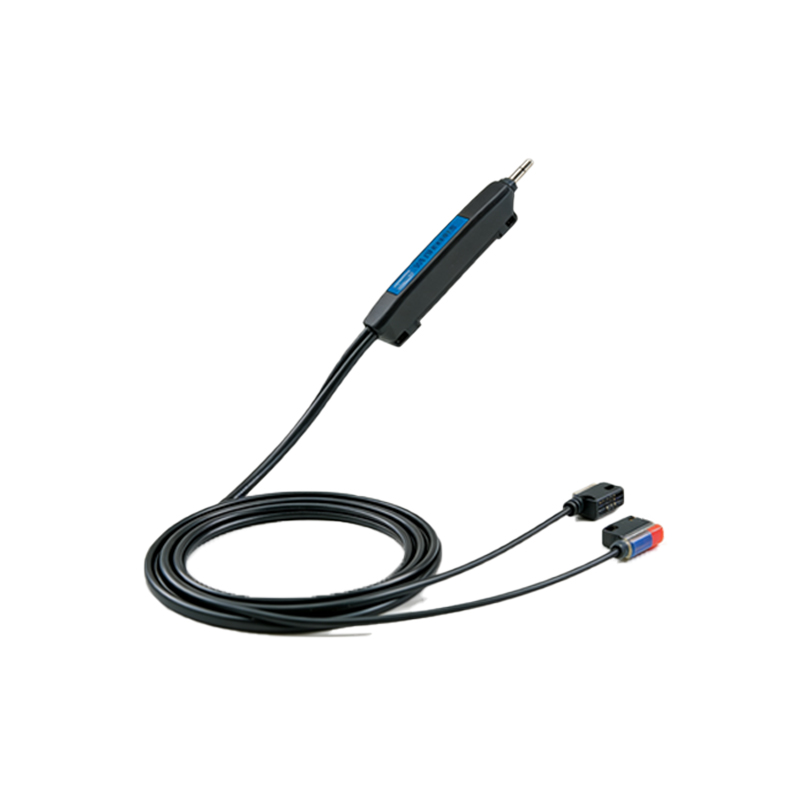
In manufacturing, dynamic photoelectric sensors excel in tasks like object counting on assembly lines, verifying component presence during pick-and-place operations, and monitoring web tension in printing industries. For logistics, they are indispensable in automated guided vehicles for obstacle detection, warehouse conveyor systems for package sorting, and pallet positioning. In the automotive sector, these sensors detect weld seams or verify part orientation. Their non-contact nature eliminates wear and tear, making them suitable for food processing and pharmaceutical packaging where hygiene is critical. With the rise of Industry 4.0, sensors now integrate with IoT platforms for predictive analytics, enhancing overall equipment effectiveness.
Advantages and Limitations
The primary advantages of dynamic photoelectric sensors include high speed, long lifespan, and adaptability to harsh conditions. They operate without mechanical parts, reducing failure risks. However, limitations exist, such as sensitivity to reflective surfaces or transparent objects. Fog, dust, or oil mist can degrade performance in through-beam or retro-reflective modes. Engineers mitigate these issues by selecting appropriate protective housings, like IP67-rated enclosures, and using background suppression techniques. Cost can be higher compared to inductive or capacitive sensors, but the trade-off is justified in applications demanding precision and reliability.
Installation and Calibration Tips
Proper installation ensures optimal sensor performance. For through-beam types, align the emitter and receiver precisely, using laser alignment tools if possible. Retro-reflective sensors require clean reflectors and avoid optical obstacles. Diffuse sensors benefit from mounting at an angle to minimize reflections from shiny backgrounds. Calibration involves setting the sensitivity threshold to reject noise while detecting valid targets. Many modern sensors offer automatic teach-in functions via a push button or software, simplifying setup. Regular cleaning of lenses and checking for misalignment due to vibration are recommended for long-term reliability.
Future Trends in Dynamic Photoelectric Sensing
The evolution of dynamic photoelectric sensors is driven by miniaturization, increased intelligence, and connectivity. Emerging technologies include Time-of-Flight sensors for 3D imaging, multi-pixel arrays for pattern recognition, and self-learning algorithms that adapt to changing environments. Wireless communication, like IO-Link, enables real-time diagnostics and parameter adjustment from remote control rooms. These advancements will further integrate sensors into smart factories, supporting predictive maintenance and autonomous decision-making. As industrial automation accelerates, dynamic photoelectric sensors will remain a cornerstone of efficient, reliable operations.