Introduction to IFM Reflective Photoelectric Sensors
IFM reflective photoelectric sensors are essential components in modern industrial automation, offering reliable object detection without the need for separate receivers. These sensors operate by emitting a light beam and detecting the reflection from the target object, making them ideal for space-constrained applications. With robust design and high switching frequencies, they excel in harsh environments like automotive assembly lines and packaging facilities.
Key Technical Features
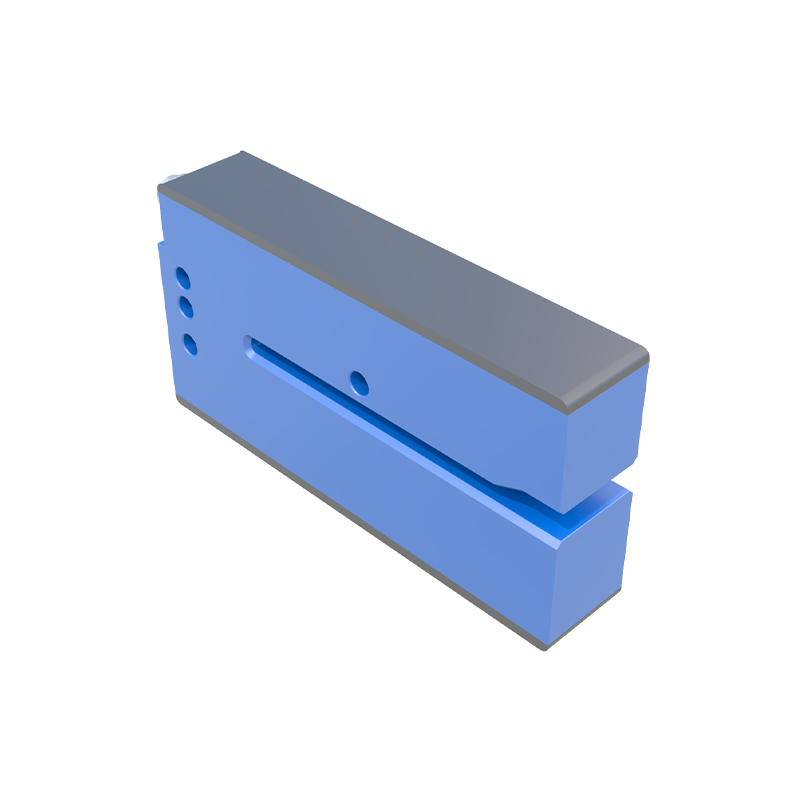
IFM sensors utilize advanced optics and microcontroller-based signal processing. The reflective mode allows detection of objects with varying surface textures, from glossy metals to matte plastics. Typical models feature a sensing range up to 2 meters, response times below 1 ms, and IP67 protection for dust and moisture resistance. The built-in background suppression technology eliminates false triggers from distant surfaces, ensuring precise detection even in cluttered settings.
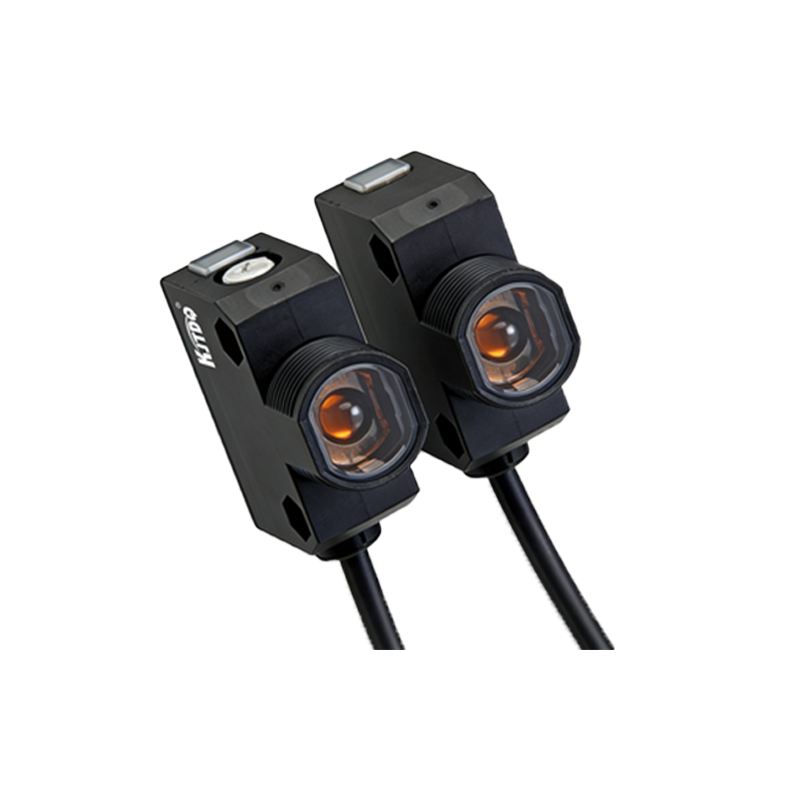
Installation and Configuration Tips
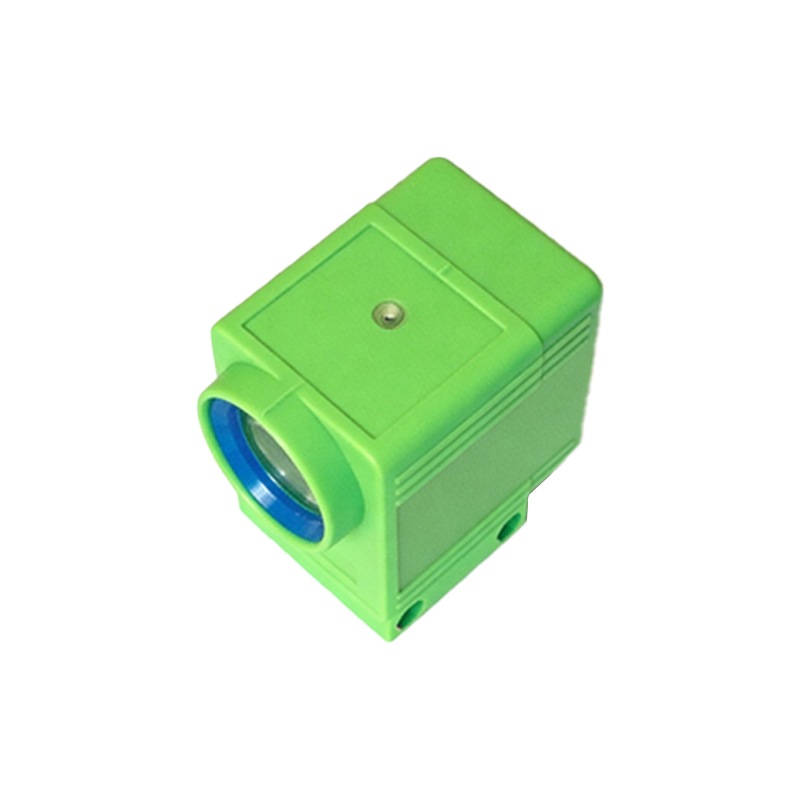
For optimal performance, mount the sensor perpendicular to the target surface to minimize signal loss. Use the integrated potentiometer or IO-Link interface to adjust sensitivity based on object reflectivity. In dusty environments, clean the lens regularly with a soft cloth to maintain detection accuracy. Avoid direct sunlight exposure to prevent interference with the infrared beam.
Common Applications in Industry
These sensors are widely deployed in conveyor systems for product presence verification, in packaging lines for label detection, and in automated guided vehicles for obstacle avoidance. Their compact size allows integration into limited spaces, such as robotic grippers or small sorting stations. IFM reflective sensors also support high-speed counting tasks in bottle or canning lines.
Maintenance and Troubleshooting Guide
Routine checks include verifying alignment stability and cleaning the optical surface. If the sensor triggers erratically, inspect for reflective interference from nearby shiny surfaces or fluctuating ambient light. Use the status LED indicator to diagnose issues: steady green indicates normal operation, while blinking red signals a fault. For persistent problems, reset the sensor via power cycle or re-calibrate through the IO-Link software.
Conclusion and Recommendations
IFM reflective photoelectric sensors deliver cost-effective, accurate detection for diverse automation needs. Select models with appropriate sensing range and output type (PNP/NPN) to match your control system. For critical applications, consider the IO-Link variant for real-time diagnostics and remote parameter adjustment. Regular preventive maintenance ensures long service life and reduces downtime.